Bharuch District in Gujarat: The Emerging Chemical Powerhouse of India
Synopsis
Gujarat's Bharuch district is emerging as a key player in India's chemical and petrochemical industries, employing 200,000 people and driving significant exports. Discover how this region is shaping the future of the industry with state-of-the-art infrastructure and government support.
Key Takeaways
Bharuch district is a leading hub for the chemical industry in India.
Approximately 200,000 people are employed in this sector.
The district accounts for 19% of India's chemical exports.
Government initiatives and infrastructure support are crucial for industrial growth.
Environmental compliance and sustainability are prioritized in industrial practices.
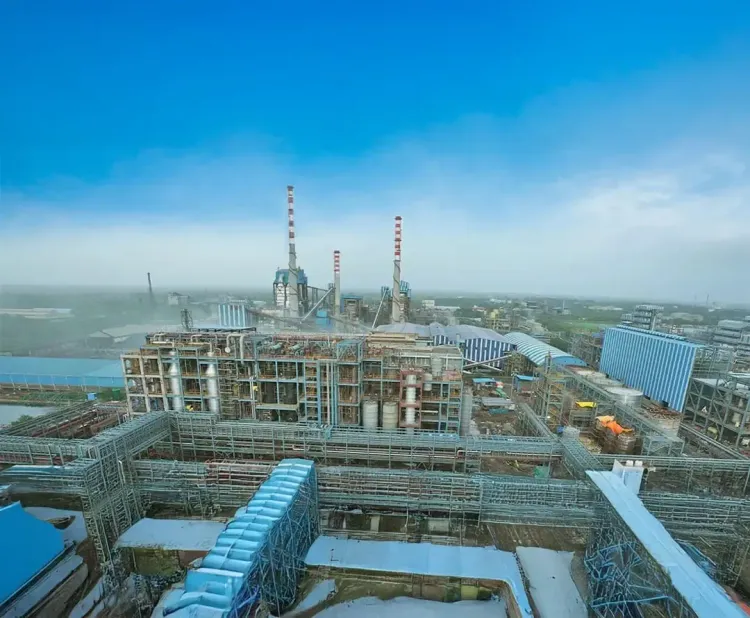
Gandhinagar/Bharuch, March 25 (NationPress) The Bharuch district in Gujarat has further cemented its reputation as a pivotal center for the chemical and petrochemical sector in India, boasting approximately 1,394 industrial facilities throughout the area.
State authorities report that over 45% of these facilities are dedicated to chemical production, generating direct and indirect employment for nearly 200,000 individuals.
The industrial expansion in the district is fueled by clusters in Ankleshwar, Panoli, Jhagadia, Dahej, Saykha, and Vilayat, collectively creating a sophisticated chemical ecosystem.
These clusters encompass a range of small, medium, and large enterprises, enhancing production capabilities and positioning Bharuch as the “Chemical Capital of India”.
Last year, Bharuch's chemical exports surpassed USD 986 million, accounting for over 23.5% of India’s total chemical exports.
“The industrial foundation of Bharuch significantly contributes to both Gujarat's and India's economy. The district represents about 19% of national chemical exports, while Gujarat contributes nearly 45% of the country's total chemical exports,” officials stated.
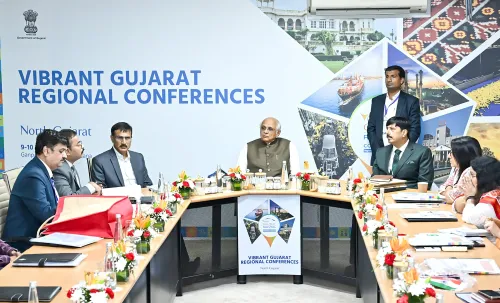
To further enhance industrial prospects, the Vibrant Gujarat Regional Conference (VGRC) South Gujarat 2026 is scheduled to take place in Surat.
This conference aims to serve as a platform for investors, entrepreneurs, and policymakers to explore technological collaborations, global partnerships, and expanded investment opportunities.
Organizers indicated that the VGRC will feature specialized sessions for the chemical and petrochemical sectors, investment summits, start-up presentations, and innovation discussions.
Bharuch is home to industries spanning various sub-sectors, including chemicals and petrochemicals, pharmaceuticals, dyes and pigments, agrochemicals, textiles, and fibers.
The industrial development in Bharuch has benefitted from advanced infrastructure and supportive government policies.
Facilities such as electricity, water supply, transportation, and a skilled workforce, along with state incentives like subsidies, electricity relief, and streamlined land allotment, have bolstered the industrial landscape.
Digital initiatives such as single-window approval systems and online portals have also simplified processes for industries. Environmental compliance remains a priority in the region.
Authorities report that common effluent treatment plants, air pollution control systems, and zero liquid discharge methods are operational throughout the district.
Industrial waste is treated and managed according to standards set by the National Environmental Engineering Research Institute, with monitoring data submitted to the Gujarat Pollution Control Board and the Central Pollution Control Board.
The state government emphasized that the Petroleum, Chemicals, and Petrochemical Investment Region (PCPIR), covering 452.98 square kilometers, is anticipated to draw in additional large-scale investments.
Officials noted that world-class logistics and manufacturing infrastructure is currently being developed in the region, which will benefit both the chemical and petrochemical sectors and support Bharuch's expanding global presence.
According to state authorities, initiatives like the VGRC and the PCPIR aim to link local industries with international markets, cutting-edge technologies, and new investors, providing opportunities for young entrepreneurs while fostering economic independence.
Point of View
It's evident that Bharuch's rapid industrialization is not just a local achievement but a significant contributor to India's economic landscape. The district's commitment to sustainable practices and global market integration is commendable and sets a precedent for future industrial hubs.
NationPress
24 Sept 2026
Frequently Asked Questions
What is the primary industry in Bharuch district?
The primary industry in Bharuch district is the chemical and petrochemical sector, with around 1,394 industrial units operating in the region.
How many people does the chemical industry in Bharuch employ?
The chemical industry in Bharuch provides direct and indirect employment to nearly 200,000 individuals.
What are the major clusters contributing to Bharuch's industrial growth?
The major clusters include Ankleshwar, Panoli, Jhagadia, Dahej, Saykha, and Vilayat, creating a robust chemical ecosystem.
What are the environmental initiatives in Bharuch?
Bharuch implements various environmental initiatives, including common effluent treatment plants and zero liquid discharge systems to ensure compliance with environmental standards.
What is the significance of the Vibrant Gujarat Regional Conference?
The VGRC serves as a platform for investors and policymakers to foster technological collaboration and investment opportunities, particularly in the chemical sector.