Gujarat Officials Confirm No Gas Shortage Behind Industrial Closures
Synopsis
Despite the ongoing geopolitical crisis in West Asia, Gujarat officials assure that industrial unit closures are not due to gas shortages but rather supply chain and viability challenges. Active measures are being implemented to support the workforce and ensure uninterrupted operations.
Key Takeaways
No gas shortage is causing industrial unit closures in Gujarat.
Closures are attributed to supply chain and viability challenges.
Government measures include community kitchens and support for workers.
Gas supply remains stable and uninterrupted.
Prioritization of PNG connections for essential services is underway.
Ahmedabad, April 7 (NationPress) Officials have firmly stated that there are no gas shortages causing the closure of industrial units in Gujarat, despite the current geopolitical tensions in West Asia. They clarified that the disruptions within the sector are primarily due to supply chain challenges and viability issues.
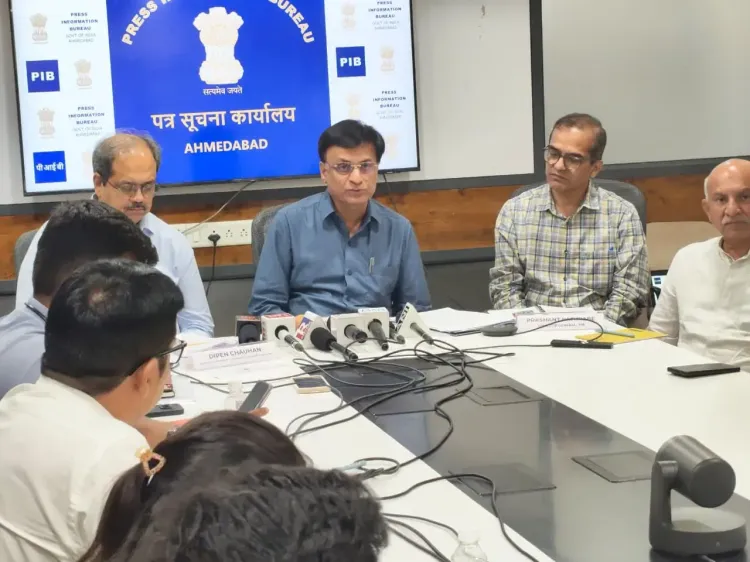
K.C. Sampat, Additional Commissioner of the Industries and Mines Department of Gujarat, emphasized during a press conference in Ahmedabad that a thorough evaluation across various districts revealed that out of the 4,11,733 registered industries in the state, 1,212 are inactive, while approximately 28,517 are operating at diminished capacity.
Morbi is notably affected, with 984 units shut down and 1,577 operating at partial capacity out of 2,568 total units. Surendranagar has also reported 217 closures.
“The repercussions of the situation in West Asia have had a limited effect on the industrial landscape of the state, with most industries functioning smoothly, albeit some facing partial hindrances,” Sampat remarked.
He attributed the closures to factors such as transportation issues, supply chain disruptions, and economic viability constraints, and noted that there have been “no significant incidents of worker layoffs.”
The government is actively coordinating efforts from the state to district levels, collaborating with industries, GIDC offices, and labor departments.
“Industrialists and associations are providing real-time feedback, allowing us to continuously address issues related to raw materials, transportation, and supply chains,” he added.
Meetings with key industrial associations took place in South Gujarat on March 28 to tackle labor-related concerns, including food security.
To assist workers, 159 industrial community kitchens have been set up, offering daily meals to approximately 50,000 workers.
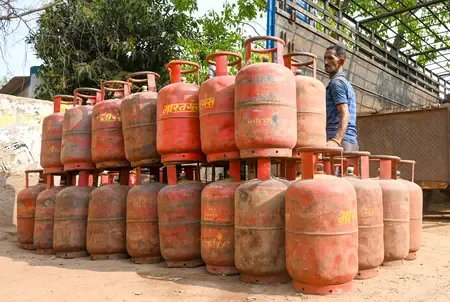
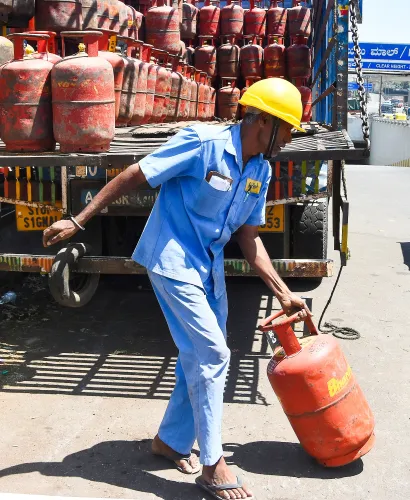
Authorities are distributing five kg LPG cylinders for daily use and prioritizing piped natural gas (PNG) connections for essential services and industrial canteens.
Sampat highlighted that national-level constraints regarding LNG and LPG are being closely monitored to ensure that domestic supplies are not compromised.
“We are prioritizing operations to guarantee that domestic LPG and PNG supply remains uninterrupted,” he stated.
Fuel supply has been prioritized for critical sectors including steel, automobiles, textiles, dyes, chemicals, and plastics, while reductions for fertilizer and dairy sectors are minimal.
He noted that the supply of industrial gas has been rationalized to safeguard domestic consumption, and temporary permissions have been granted since March 30, allowing the use of alternative fuels like coal, kerosene, biomass, and waste-derived fuels for three months.
“We have lifted the restrictions on solid alternative fuels for industrial and commercial units for three months, providing them with operational flexibility,” Sampat stated.
Additionally, LPG distribution hours have been extended to include night-time deliveries.
Dipen Chauhan, Senior Vice President of Gujarat State Petroleum Corporation, assured that gas supply across the state remains stable, with no disruptions to CNG or PNG availability.
“Since the onset of the West Asia crisis, not a single CNG station has ceased operations in Gujarat, and the gas supply continues uninterrupted,” he remarked, adding that around 40 lakh kg of CNG is consumed daily, supporting approximately 7.5 lakh vehicles.
He pointed out that Gujarat boasts a fully developed city gas distribution network covering all districts, with around 10 licensed operators, including Gujarat Gas, Sabarmati Gas, and Adani Total Gas.
“There have been no cuts of any kind on industrial gas supply. The available gas quantity is sufficient, although prices correspond with global market dynamics,” Chauhan stated.
Reiterating the situation in Morbi, he affirmed, “Industries are voluntarily shutting down due to economic viability issues, not due to a lack of gas supply. No units have ceased operations due to gas shortages.”
Chauhan also mentioned that Gujarat accounts for approximately 23% of the nation’s domestic PNG consumers, 51% of commercial connections, and 28% of industrial connections, alongside 13% of CNG stations nationwide, solidifying its position as a leader in city gas distribution.
Officials reported a surge in PNG adoption under a statewide campaign, with 49,898 new domestic registrations and 26,909 conversions completed between March and April 5, along with 911 commercial registrations and 496 conversions.
Since March 1, about 50,000 new customers have registered, with 27,000 connections successfully provided.
A staggering 948% increase in domestic registrations has been observed following government initiatives.
The government has directed all city gas distribution entities to prioritize PNG connections for essential services like hospitals, schools, hostels, community kitchens, and industrial canteens.
During March, 225 new connections were registered, with 89 provided in these critical categories.
Officials also emphasized customer-friendly measures, including a simplified seven-day connection process, QR code-based self-registration, doorstep services, awareness campaigns, and a Rs 500 rebate scheme for new domestic PNG connections.
They confirmed that adequate LNG is available at terminals in Mundra and Dahej, with four additional cargoes anticipated during April and May.
Procurement from alternative sources and coordination with suppliers remains a priority to ensure a steady supply.
“We are continuously monitoring the situation and implementing necessary supportive measures to ensure that both industries and citizens do not encounter any difficulties,” officials concluded.
Point of View
It's clear that while the geopolitical tensions in West Asia could raise concerns about industrial operations, the data from Gujarat officials indicates a different story. The closures are tied to supply chain and economic viability issues, not gas shortages. This showcases the resilience of the state's industrial sector amidst external challenges.
NationPress
19 Sept 2026
Frequently Asked Questions
Are industrial units in Gujarat shutting down due to gas shortages?
No, officials confirmed that the closures are due to supply chain and viability issues, not gas shortages.
How many industrial units are currently non-operational in Gujarat?
Out of 4,11,733 registered industries, 1,212 are non-operational while approximately 28,517 are functioning at reduced capacity.
What measures are being taken to support workers in Gujarat?
The government has operationalized 159 industrial community kitchens providing meals to around 50,000 workers.
Is there any impact on gas supply due to the West Asia crisis?
Officials assured that gas supply remains stable with no disruptions affecting CNG or PNG availability.
What has been done to improve gas supply for industries?
Temporary permissions have been granted to use alternative fuels, and LPG distribution hours have been extended.