Bhopal Gas Tragedy waste disposed after 40 years, CM Yadav marks World Environment Day
Synopsis
Forty years after the Bhopal Gas Tragedy, Madhya Pradesh has finally incinerated 337 metric tonnes of Union Carbide hazardous waste at a facility in Pithampur, Indore. CM Mohan Yadav called it the erasure of a four-decade stigma — but the harder questions of land remediation and survivor justice are still unresolved.
Key Takeaways
337 metric tonnes of hazardous waste from the Union Carbide factory in Bhopal has been incinerated at a facility in Pithampur, Indore .
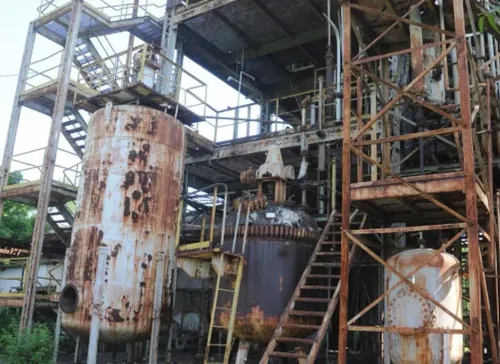
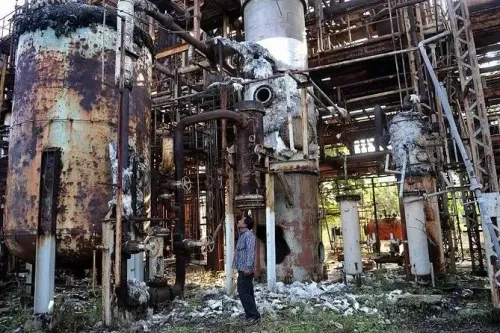
The waste had remained stored at the abandoned plant since the Bhopal Gas Tragedy of 2–3 December 1984 , when methyl isocyanate gas killed thousands.
Disposal was carried out under supervision of the Central Pollution Control Board and Madhya Pradesh Pollution Control Board .
CM Mohan Yadav made the announcement on World Environment Day, 5 June , at the Ek Ped Maa Ke Naam 2.0 event in Bhopal.
The state government said it is now working towards proper management of the Union Carbide land in Bhopal.
Madhya Pradesh has also announced green energy projects at Sanchi and Khajuraho and a 30-day industrial permission window under the Pollution Control Board.
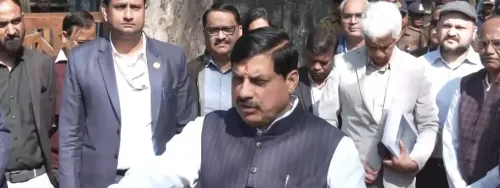
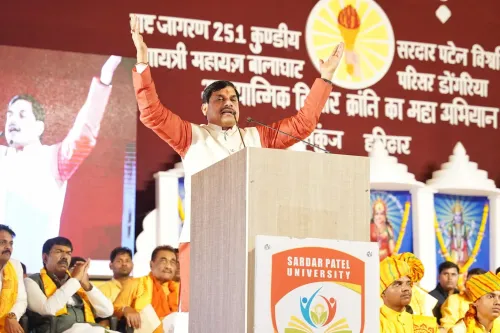
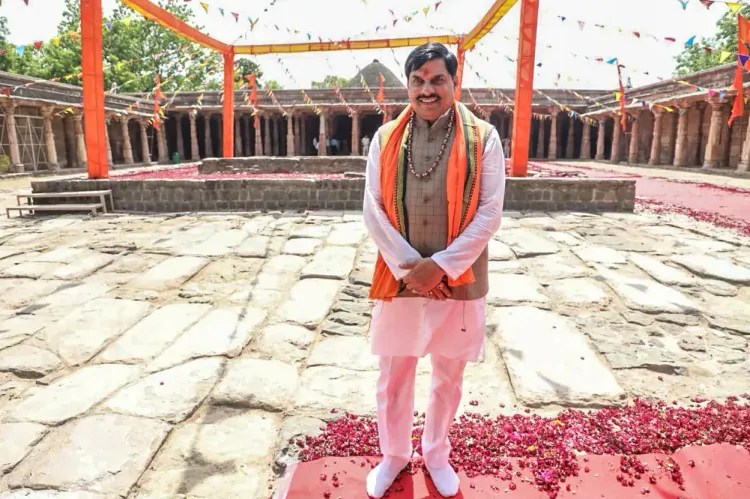
Madhya Pradesh Chief Minister Mohan Yadav on Friday, 5 June described the Bhopal Gas Tragedy as the 'greatest example of tampering with nature,' marking the occasion of World Environment Day with the announcement that the Union Carbide factory waste — stored for four decades — has finally been disposed of, erasing what he called a long-standing stigma from Bhopal's soil.
The Waste Disposal: What Happened
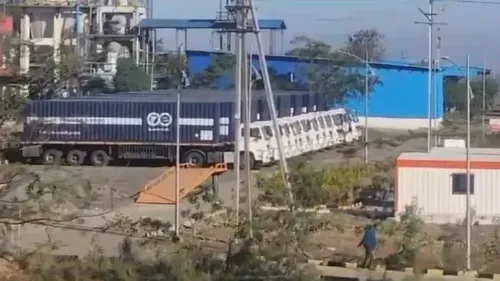
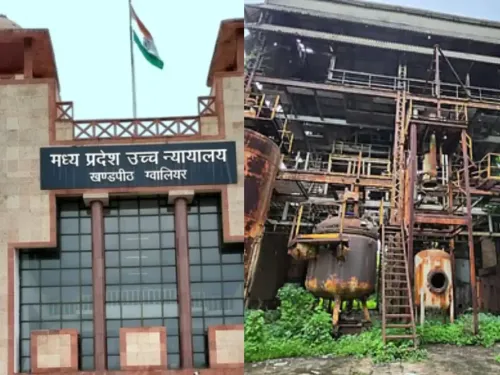
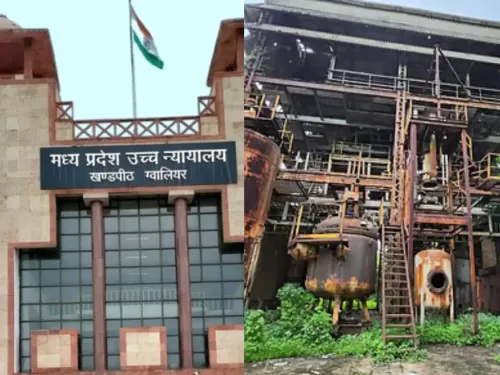
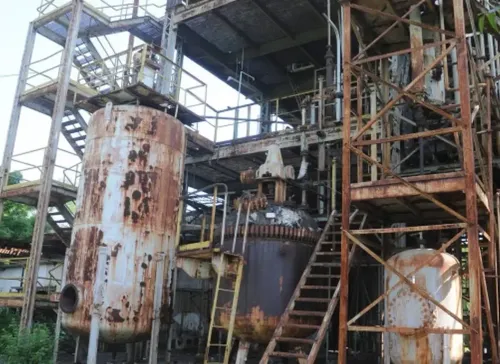
Around 337 metric tonnes of hazardous chemical waste had remained stored at the abandoned Union Carbide pesticide plant in Bhopal since the catastrophic gas leak of 2–3 December 1984, when methyl isocyanate gas escaped from the facility, triggering one of the world's worst industrial disasters. The waste was recently transported and incinerated at a Treatment, Storage and Disposal Facility in Pithampur, Indore, under the joint supervision of the Central Pollution Control Board and the Madhya Pradesh Pollution Control Board.
'After 40 years, the state government has successfully disposed of the waste lying at the Union Carbide factory, thereby erasing the stigma of the gas tragedy from Bhopal's soil,' Yadav said at the event.
CM Yadav's Remarks at World Environment Day Event
Yadav was addressing the state-level Ek Ped Maa Ke Naam 2.0 campaign at the Kushabhau Thakre Auditorium in Bhopal. He inaugurated the event by lighting a ceremonial lamp and planting saplings of Swarna Champa, Sita Ashok, Ramphal, and Amla in the auditorium complex.
He credited the initiative to the leadership of Prime Minister Narendra Modi, stating that the state government is working 'with full commitment towards environmental conservation.' He also referenced the Jal Ganga Samvardhan Abhiyan, under which rivers, wells, stepwells, and ponds across Madhya Pradesh are being conserved.
Green Energy and Pollution Control Measures
The Chief Minister highlighted the state's push for clean energy, noting that solar, wind, biomass, and hydroelectric projects are being fast-tracked. He specifically cited major green energy projects underway at Sanchi and Khajuraho.
On pollution monitoring, Yadav said the Madhya Pradesh Pollution Control Board has set a 30-day timeframe for industrial permissions, with three units continuously tracking pollution levels. Air Quality Index display boards have been installed in the city to raise public awareness, he added.
Wildlife and Land Management
Yadav also pointed to Madhya Pradesh's wildlife record, saying the state has set 'an exemplary model of coexistence.' Beyond the rehabilitation of cheetahs, he noted that wild buffaloes have been brought to the state from Assam. With the hazardous waste now cleared, the state government said it is moving towards proper management of the Union Carbide land in Bhopal.
The disposal marks a significant — if long-delayed — closure to one of India's most enduring environmental and humanitarian wounds, though questions over land remediation and survivor rehabilitation remain open.
Point of View
But framing it as the erasure of the gas tragedy's stigma is a political stretch. The 1984 disaster's open wounds — groundwater contamination around the factory site, unresolved survivor compensation, and questions of corporate accountability — were never just about stored waste. Disposing of 337 metric tonnes does not close those chapters. The more meaningful test will be what the state does with the Union Carbide land: whether it is remediated to independent environmental standards or repurposed without a credible clean-chit. Announcing this on World Environment Day is good optics; a time-bound land remediation plan with third-party verification would be the substance that matches it.
NationPress
19 Sept 2026
Frequently Asked Questions
What is the Bhopal Gas Tragedy and why does the Union Carbide waste matter?
The Bhopal Gas Tragedy occurred on the night of 2–3 December 1984, when methyl isocyanate gas leaked from the Union Carbide pesticide plant in Bhopal, killing thousands and injuring hundreds of thousands. Around 337 metric tonnes of hazardous chemical waste left behind at the factory site had remained unaddressed for four decades, posing a continuing environmental and health risk to nearby residents.
Where was the Union Carbide waste disposed of?
The hazardous waste was transported from the Union Carbide factory site in Bhopal and incinerated at a Treatment, Storage and Disposal Facility in Pithampur, Indore. The process was carried out under the supervision of the Central Pollution Control Board and the Madhya Pradesh Pollution Control Board.
What did CM Mohan Yadav say about the disposal?
CM Yadav said the disposal erases a 40-year-old stigma from Bhopal's soil and described the Bhopal Gas Tragedy as the 'greatest example of tampering with nature.' He made these remarks at the Ek Ped Maa Ke Naam 2.0 event on World Environment Day, 5 June.
What happens to the Union Carbide land in Bhopal now?
With the waste disposal complete, the Madhya Pradesh government has said it is moving towards the proper management of the Union Carbide factory land in Bhopal. Specific remediation plans or timelines have not yet been publicly detailed.
What other environmental initiatives did CM Yadav announce?
Yadav highlighted green energy projects — solar, wind, biomass, and hydroelectric — at sites including Sanchi and Khajuraho, and noted that the Madhya Pradesh Pollution Control Board has set a 30-day window for industrial permissions. Air Quality Index display boards have also been installed in the city to improve public awareness of pollution levels.