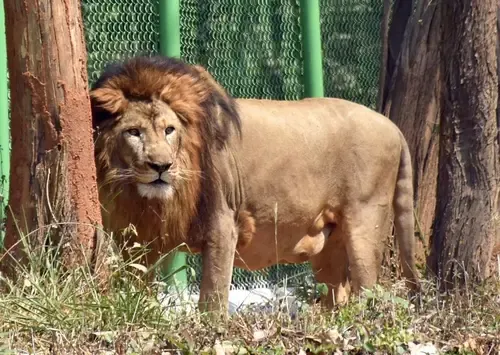
Bhupender Yadav Hails Asiatic Lion's Rise to 891
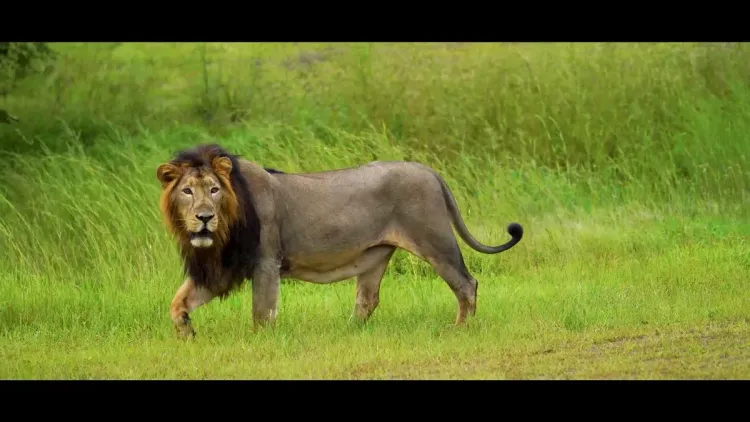
Synopsis
On World Lion Day 2026, Union Environment Minister Bhupender Yadav announced India's Asiatic lion population has grown from 523 in 2015 to 891 in 2025 — a 70 per cent rise — crediting Project Lion, Gujarat's forest officials, and community conservation efforts across the Saurashtra region.
Key Takeaways
India's Asiatic lion population grew from 523 in 2015 to 891 in 2025 , a rise of nearly 70 per cent over a decade.
Gir National Park in Gujarat remains the sole habitat for all free-ranging Asiatic lions in the world.
The Asiatic Lion Conservation Project , launched in 2020 , provided the policy and funding framework for recent recovery efforts.
India's lion recovery follows the same species-specific model used successfully for tigers and one-horned rhinos.
Translocation to a second site outside Gir remains the key unresolved challenge for long-term population security.
Minister Yadav framed the milestone as evidence that economic development and nature conservation are compatible goals.
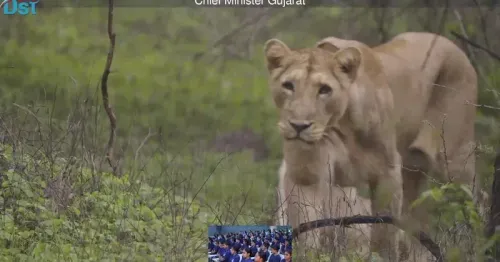
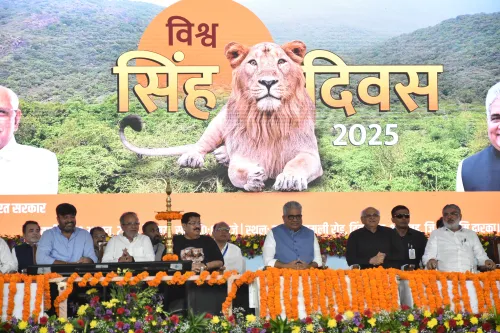
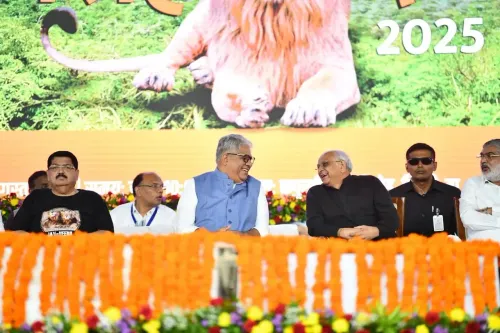
From the edge of extinction to a population that has nearly doubled in a decade — India's Asiatic lion story is one of conservation's most striking turnarounds. On World Lion Day, Monday, 10 August 2026, Union Environment Minister Bhupender Yadav marked the occasion by citing a landmark figure: the Asiatic lion population has grown from 523 in 2015 to 891 in 2025, a 70 per cent rise over ten years.
A Number That Tells the Whole Story
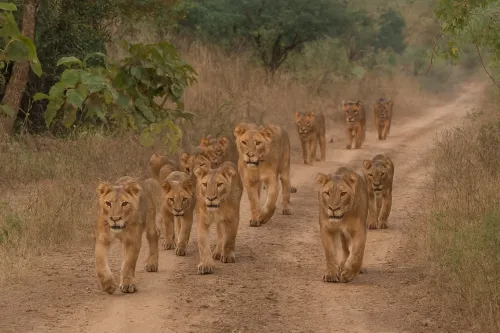
The jump from 523 to 891 is not just a statistic — it is the cumulative result of five-year census cycles conducted by the Gujarat Forest Department, strict habitat protection inside and around Gir National Park, and sustained community engagement across the Saurashtra region. Every number in that census represents a living animal in the only landscape on earth where free-ranging Asiatic lions still exist. Minister Yadav credited 'forest officials, conservationists, local communities and all those working tirelessly' for the result — a deliberate acknowledgement that the win belongs as much to a forest guard on night patrol as to any policy document.
Project Lion and the Policy Scaffolding Behind the Numbers
The recovery did not happen by accident. India launched the Asiatic Lion Conservation Project in 2020, modelled explicitly on the template that rescued the tiger — combining protected-area enforcement, corridor restoration, and human-wildlife conflict mitigation. Project Lion extended that framework further, targeting habitat expansion and improved monitoring technology inside Gujarat's lion range. The approach mirrors India's broader species-recovery architecture: identify a flagship animal, ring-fence its habitat, bring local communities into the economic logic of conservation, and measure rigorously. It has worked for tigers and one-horned rhinos. The lion data now adds a third column to that ledger.
Development and Conservation: The Argument India Is Making
Yadav's post carries a pointed sub-text: 'development and nature conservation can move forward together.' That framing is not incidental — it is India's stated position in international biodiversity negotiations, where developing nations are often asked to choose between growth and ecological protection. A lion population nearly doubling while Gujarat simultaneously runs one of India's most industrialised economies is the kind of ground-level evidence that gives that argument weight. The minister's invocation of 'natural heritage' and future generations places the milestone squarely within India's commitments under global biodiversity frameworks.
What Comes Next for India's Lions
The conservation community's standing question remains unanswered: translocation. With the entire wild Asiatic lion population concentrated in a single landscape, a single disease outbreak or catastrophic event could undo decades of work. Proposals to establish a second free-ranging population at sites outside Gir have circulated for years. The release of the next official census and any concrete movement on translocation sites will be the real test of whether India's lion programme graduates from recovery to resilience.
The roar from Gir is louder than it has been in living memory. The harder task now is making sure it echoes from more than one forest.
Point of View
If confirmed by official census release, would represent the strongest validation yet of India's species-specific conservation model and give the government a concrete data point for international biodiversity diplomacy. Yadav's framing — development and conservation as complementary, not competing — is a deliberate policy argument, not mere celebration, aimed at deflecting criticism that India's infrastructure push comes at ecological cost. The absence of any announcement on lion translocation, however, signals that the most consequential and politically sensitive decision in Asiatic lion conservation remains deferred. Until a second free-ranging population is established, the entire recovery remains a single-point-of-failure success story.
NationPress
10 Aug 2026
Frequently Asked Questions
How many Asiatic lions are there in India in 2025?
According to Union Environment Minister Bhupender Yadav's statement on World Lion Day 2026, India's Asiatic lion population stood at 891 in 2025 , up from 523 in 2015.
Where do Asiatic lions live in India?
All of India's free-ranging Asiatic lions live in Gir National Park and the surrounding Saurashtra region of Gujarat — the only place on earth where this subspecies survives in the wild.
What is Project Lion India?
Project Lion is a Government of India initiative to strengthen Asiatic lion habitat protection, expand conservation areas, reduce human-wildlife conflict, and improve population monitoring across Gujarat's lion range.
When is World Lion Day celebrated?
World Lion Day is observed every year on 10 August to raise global awareness about lion conservation and the threats facing lion populations worldwide.
Why is Asiatic lion translocation important?
Because the entire wild Asiatic lion population is concentrated in a single location — Gir, Gujarat — a disease outbreak or disaster could devastate the species. Establishing a second free-ranging population at another site would reduce that risk significantly.