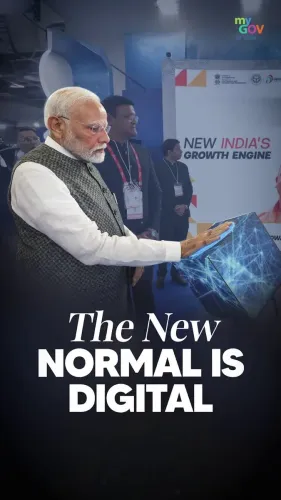
Bhupender Yadav Marks 11 Years of Digital India

Synopsis
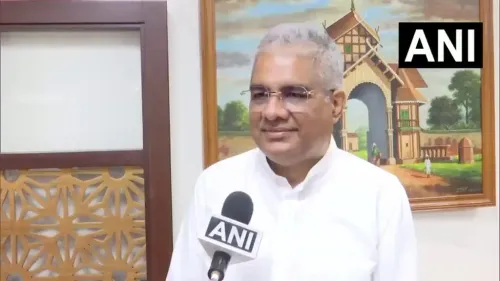
Union Environment Minister Bhupender Yadav marked the 11th anniversary of the Digital India programme on 1 July 2026 with a celebratory X post, reflecting the scheme's cross-ministry reach since its launch by Prime Minister Narendra Modi in 2015.
Key Takeaways
Union Environment Minister Bhupender Yadav posted on X on 1 July 2026 to mark 11 years of Digital India .
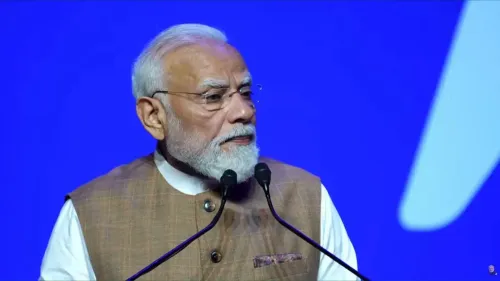
The Digital India programme was launched on 1 July 2015 by Prime Minister Narendra Modi .
The programme spans digital infrastructure pillars including Aadhaar , UPI , and DigiLocker , administered by the Ministry of Electronics and Information Technology .
The environment ministry has integrated Digital India tools into online forest clearances , pollution monitoring dashboards , and GIS-based wildlife tracking .
Cross-ministry participation in the anniversary reflects Digital India's role as a whole-of-government technology narrative.
Upcoming focus areas include Digital India Phase 2 components and new data protection and AI governance legislation .
Union Environment Minister Bhupender Yadav joined the nationwide commemoration of Digital India's 11th anniversary on 1 July 2026, posting a celebratory message on X that hailed the programme's trajectory with the words 'Unstoppable India!'
Context
The Digital India programme was launched on 1 July 2015 by Prime Minister Narendra Modi as a flagship initiative to expand broadband connectivity, deliver e-governance services, and build digital literacy across the country. The anniversary has since become an occasion for ministers across portfolios to reflect on the programme's reach and reaffirm its goals. Yadav's post, though brief, signals the cross-ministry ownership that has come to define Digital India's political identity.
Policy Backdrop
Over eleven years, India's digital public infrastructure has grown into one of the world's most extensive, encompassing Aadhaar, the Unified Payments Interface (UPI), and DigiLocker, among other platforms administered by the Ministry of Electronics and Information Technology. These systems now underpin service delivery across virtually every central ministry. Within the environment sector specifically, digital tools have been integrated into online forest clearance portals, real-time pollution monitoring dashboards, and GIS-based wildlife tracking systems — making the Ministry of Environment, Forest and Climate Change a direct beneficiary of the programme's infrastructure.
The cross-ministry celebration of the anniversary is itself a reflection of how deeply Digital India's architecture has embedded itself into governance. Ministers from health, agriculture, education, and environment routinely mark the occasion, underscoring the programme's role as a unifying narrative for technology adoption in the Indian state.
Stakeholders and Impact
The primary beneficiaries of Digital India span a wide arc: Indian citizens who access government services online, the IT and technology sector that has grown alongside public digital infrastructure, and state governments that have used central platforms to deliver welfare and administrative services. For the environment ministry, digital integration has meant faster processing of clearances, more transparent monitoring of industrial compliance, and improved data availability for conservation planning.
The programme's eleven-year span has also coincided with India's rise as a global leader in real-time digital payments and a significant player in open-source public infrastructure frameworks, with UPI alone processing billions of transactions monthly.
What's Next
Attention now turns to the rollout of further Digital India Phase 2 components and the progress of proposed legislation on data protection and artificial intelligence governance in Parliament. As India deepens its digital infrastructure, the environment ministry's own digital tools — from satellite-based forest monitoring to e-filing of environmental impact assessments — are expected to see continued expansion. The anniversary serves as a marker not just of past achievement but of the governance ambitions that remain in progress.
Point of View
The anniversary is as much a political consolidation exercise as a policy review, reinforcing the 2014-onward governance narrative ahead of any legislative or budgetary moves on Phase 2. For the environment ministry specifically, the digital integration of clearance and monitoring systems gives Yadav's endorsement a degree of institutional grounding beyond mere symbolism. The broader arc to watch is whether Digital India's next phase will deepen sectoral applications — including in climate and conservation — or pivot more sharply toward AI and data-governance frameworks.
NationPress
1 Jul 2026
Frequently Asked Questions
What is Digital India and when was it launched?
Digital India is a flagship programme of the Government of India launched on 1 July 2015 by Prime Minister Narendra Modi to expand broadband infrastructure, deliver e-governance services, and promote digital literacy across the country.
Why did Environment Minister Bhupender Yadav post about Digital India?
Bhupender Yadav posted on X to mark the 11th anniversary of Digital India on 1 July 2026. Cross-ministry participation in the anniversary is common, reflecting the programme's integration into governance across all central ministries, including environment.
How has Digital India affected the environment ministry?
The Ministry of Environment, Forest and Climate Change has integrated Digital India infrastructure into online forest clearance portals , real-time pollution monitoring dashboards , and GIS-based wildlife tracking systems , making environmental governance faster and more transparent.
What are the key pillars of Digital India after 11 years?
Over eleven years, Digital India's most prominent outputs include Aadhaar (biometric identity), UPI (unified payments), and DigiLocker (document storage), all administered under the Ministry of Electronics and Information Technology .
What comes next for Digital India?
The focus ahead includes rollout of Digital India Phase 2 components and proposed legislation on data protection and artificial intelligence governance in Parliament, which are expected to shape India's digital policy landscape in the coming years.