Bihar Assembly erupts over Gram Panchayat Tax Rules 2026; CPI-ML MLA flags rural burden
Synopsis
Bihar's Assembly session turned stormy on 21 July when CPI-ML MLA Sandeep Saurabh challenged the newly approved Gram Panchayat Tax Rate and Fee Rules, 2026, arguing that taxing rural residents on homes, shops, and petrol pumps is premature when basic services remain absent. The Speaker's refusal to admit an adjournment motion pushed the opposition into open protest — and the rules remain on the books.
Key Takeaways
The Bihar Cabinet approved the Gram Panchayat Tax Rate and Fee Rules, 2026 , enabling Panchayats to levy taxes on rural properties and collect user charges for civic services.
CPI(ML) MLA Sandeep Saurabh of Paliganj raised the issue in the Assembly on 21 July , questioning the timing given rural inflation, unemployment, and inadequate public services.
Taxable categories reportedly include residential houses , shops , petrol pumps , marriage halls , and brick kilns , along with user charges for sanitation and water supply.
Speaker Prem Kumar declined to admit an adjournment motion seeking a debate, triggering opposition sloganeering and uproar inside the House.
No rollback has been announced; the opposition is expected to continue pressing for a structured debate on the rules.
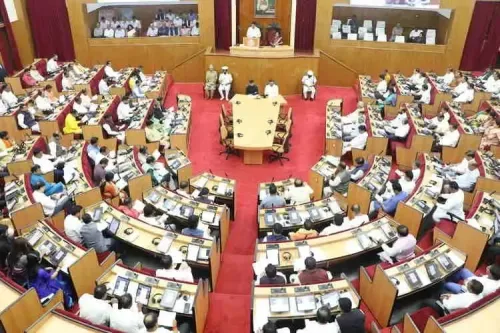
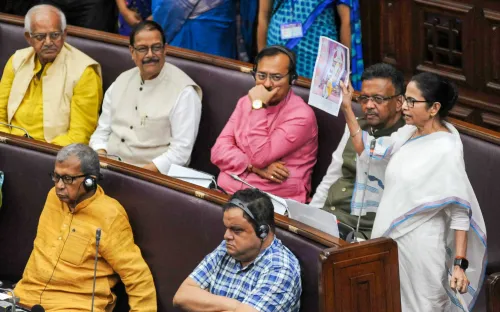
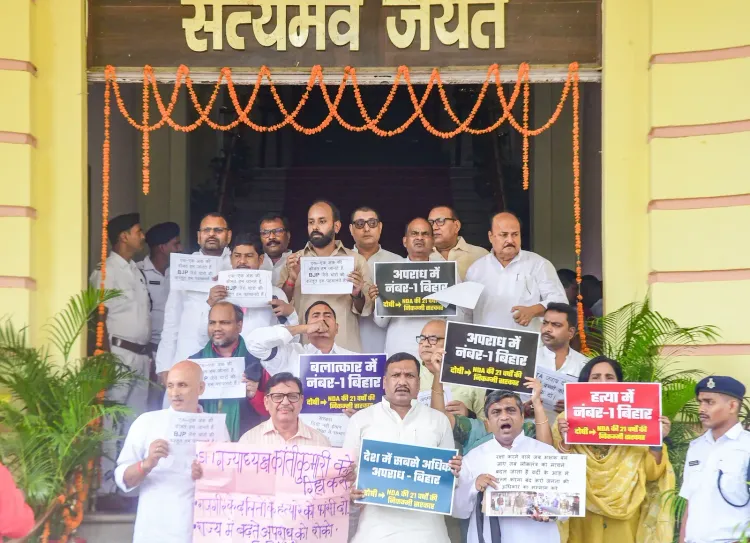
The Bihar Legislative Assembly descended into uproar on Tuesday, 21 July after opposition members staged loud protests against the state government's newly approved Gram Panchayat Tax Rate and Fee Rules, 2026, which establish a legal framework for Gram Panchayats to levy local taxes and collect user charges across rural areas. The disruption intensified after Speaker Prem Kumar declined to admit an adjournment motion seeking a formal debate on the issue.
What the New Rules Entail
The Gram Panchayat Tax Rate and Fee Rules, 2026, cleared recently by the Bihar Cabinet, empower Gram Panchayats to levy taxes and fees on a range of rural properties and commercial establishments. According to the legislator who raised the issue, taxable categories reportedly include residential houses, shops and commercial establishments, petrol pumps, marriage halls, brick kilns, and other specified taxable properties. The rules also provide for user charges on civic services such as sanitation and water supply.
What the Opposition Said
CPI(ML) legislator Sandeep Saurabh, representing the Paliganj constituency, raised the matter on the floor of the House, questioning the timing and rationale of the new framework. He argued that rural residents are already contending with rising inflation, unemployment, and persistent agricultural challenges, making fresh financial obligations difficult to absorb. Saurabh contended that many villages still lack adequate public services, and demanded that the government prioritise education, healthcare, and basic infrastructure before imposing additional levies. He called for an immediate discussion and urged the government to reconsider the proposed measures.
Speaker's Ruling and the Uproar
Speaker Prem Kumar did not admit the adjournment motion, triggering slogan-shouting and sustained protests from opposition members that disrupted House proceedings. Despite repeated appeals for order, the protest continued while the Assembly session pressed on. Addressing the demonstrating legislators, the Speaker said: 'We gave you the opportunity to present your views. You read out your points, and the government has heard them. Although the motion was not admitted, you were allowed to place your concerns before the House.'
Broader Context
The controversy comes amid a wider national conversation about fiscal decentralisation and the capacity of rural local bodies to deliver services commensurate with any new taxation powers. Critics argue that panchayat-level tax collection is only justifiable when service delivery benchmarks are met first. Notably, this is not the first time Bihar's Assembly has witnessed opposition protests over rural governance measures — similar disruptions have accompanied debates on panchayat finance in previous sessions. The government has not yet issued a formal response to the opposition's demands for reconsideration.
What Happens Next
The Gram Panchayat Tax Rate and Fee Rules, 2026 remain in force following Cabinet approval, and no rollback has been announced. Opposition parties are expected to continue pressing for a structured debate outside the Assembly as well. How the state government responds — and whether it introduces any exemptions or phased implementation — will determine the political and practical fallout of the new framework.
Point of View
And layering new collection powers onto that foundation without clear safeguards invites misuse. The government's silence on exemptions, phase-in timelines, or grievance mechanisms is the most telling gap in this episode.
NationPress
20 Oct 2026
Frequently Asked Questions
What are the Gram Panchayat Tax Rate and Fee Rules, 2026 in Bihar?
The Gram Panchayat Tax Rate and Fee Rules, 2026 are a framework approved by the Bihar Cabinet that empowers Gram Panchayats to levy local taxes on rural properties — including houses, shops, petrol pumps, marriage halls, and brick kilns — and to collect user charges for services such as sanitation and water supply.
Why did the Bihar Assembly witness protests on 21 July?
Opposition members, led by CPI(ML) MLA Sandeep Saurabh, protested because the Speaker declined to admit an adjournment motion seeking a debate on the new rural tax rules. They argued the rules impose fresh financial burdens on rural residents already facing inflation, unemployment, and poor public services.
Who is Sandeep Saurabh and what did he demand?
Sandeep Saurabh is a CPI(ML) legislator representing the Paliganj constituency in Bihar. He demanded an immediate discussion on the Gram Panchayat Tax Rate and Fee Rules, 2026 and urged the government to first improve education, healthcare, and basic infrastructure before levying new taxes on rural residents.
What was the Speaker's response to the opposition protests?
Speaker Prem Kumar did not admit the adjournment motion and appealed repeatedly for order. He told protesting members that they had been given an opportunity to present their views and that the government had heard their concerns, even though a formal debate was not permitted.
Are the Gram Panchayat Tax Rules 2026 still in effect?
Yes. The rules remain in force following Bihar Cabinet approval, and no rollback has been announced as of 21 July. The government has not yet issued a formal response to the opposition's demand for reconsideration.