Bengal panchayats target five-fold revenue jump with new tax recovery SOP
Synopsis
West Bengal's new panchayat SOP isn't just a tax-collection circular — it's a fiscal ultimatum. With ₹2,521 crore in 16th Finance Commission performance grants on the line, the state is pushing gram panchayats to nearly quintuple household revenue contributions, from ₹233 to ₹1,200 a year, or risk losing central funds it can ill afford to forgo.
Key Takeaways
The West Bengal Panchayat Department issued a new SOP in August 2025 to overhaul gram panchayat revenue collection.
Target: raise average panchayat income from ₹233 per household per year to ₹1,200 per household per year — nearly a five-fold jump.
West Bengal stands to receive ₹2,521 crore from the 16th Finance Commission between 2028-29 and 2030-31 , largely as a performance grant tied to revenue growth.
Panchayats must complete tax collection within three weeks of the deadline; defaulters lists must be published, with a follow-up meeting mandated 15 days later if dues remain unpaid.
Alternative revenue sources — tolls, advertising rights, tourism, homestays, and property leasing — have been identified for monetisation.
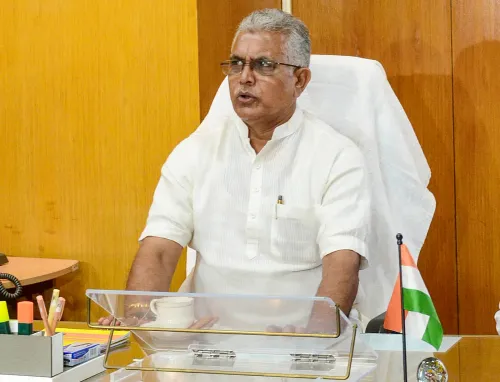
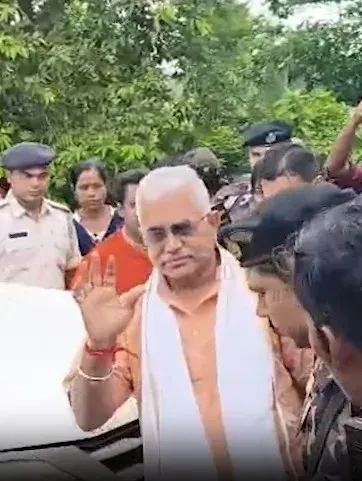
Panchayat Minister Dilip Ghosh directed the overhaul after a post-election review found irregular office attendance among panchayat heads was disrupting administration and revenue collection.
The West Bengal Panchayat Department has issued a comprehensive Standard Operating Procedure (SOP) aimed at multiplying panchayat own-source revenue nearly five-fold, raising the average household contribution from ₹233 per year to ₹1,200 per year. The directive, which came into effect in early August 2025, follows a post-election review of panchayat functioning ordered after the change of government in the state in May 2025.
What the SOP Mandates
The SOP lays down step-by-step guidelines on tax collection timelines, recovery mechanisms, and alternative revenue streams. Panchayats are required to complete the tax collection cycle within three weeks of the deadline set for villagers. Offline payment facilities must be made available wherever necessary to ease compliance for rural taxpayers.
If dues remain unpaid, panchayats must publish a defaulters list. Should outstanding taxes remain uncollected 15 days after that list is published, the concerned panchayat is required to convene a formal meeting to decide the next course of action. A fixed timeline for recovering pending dues, along with a continuous monitoring mechanism, is also mandatory under the new framework.
Why the Reform Was Triggered
A senior state government official said that a review of panchayat functioning — conducted after the new administration took charge in May 2025 — revealed systemic lapses. Among the most cited concerns: several panchayat heads were not attending their offices regularly, disrupting routine administration, public service delivery, and revenue collection. The findings were reported to state Panchayat Minister Dilip Ghosh, who has since directed a structural overhaul.
A panchayat official quoted in departmental communications said: 'For the past 15 years, the state's panchayats have functioned in a particular manner. The new Panchayat Minister has made it clear that he does not want to continue with the old system. Instead, he wants to make panchayat offices more active and ensure the effective implementation of Central government schemes.'
The Finance Commission Incentive
A key driver behind the push is the 16th Finance Commission grant cycle. According to department sources, West Bengal stands to receive approximately ₹2,521 crore between the 2028-29 and 2030-31 financial years — but the bulk of this will flow as a performance grant, contingent on panchayats demonstrably increasing their own-source revenue. Failure to meet the revenue targets could cost the state a significant share of this central allocation.
Alternative Revenue Streams Identified
Beyond tax collection, the SOP directs panchayats to map and monetise underutilised assets. Gram panchayats have been asked to identify roads, bridges, and ferry terminals where toll collection is feasible. Advertising and hoarding rights on panchayat land are to be offered to private organisations and individuals.
The department has also flagged tourism and homestay projects as viable income sources, particularly for panchayats in areas with visitor footfall. Leasing of panchayat-owned immovable property — including community halls, hotels, ferry terminals, and laboratories — is specifically encouraged. Local MLAs may be roped into tax-collection camps to improve public awareness and compliance, the SOP suggests, on the premise that elected representatives can drive greater civic participation.
Transparency and Public Accountability
The SOP also emphasises communicating rural development works funded through panchayat own-revenue back to the public — a transparency measure intended to build trust and encourage voluntary tax compliance. This marks a departure from the opaque revenue management that the post-May review reportedly identified as a persistent problem.
With the 16th Finance Commission performance window opening in 2028-29, how effectively Bengal's gram panchayats execute this SOP over the next three years will determine both local service quality and the state's share of central devolution.
Point of View
At its core, a Finance Commission play: Bengal needs gram panchayats to perform on revenue metrics or it forfeits a meaningful slice of ₹2,521 crore in performance grants. That the trigger was irregular office attendance by panchayat heads — a basic governance failure — points to how deeply administrative drift had set in under the previous dispensation. The five-fold revenue target is ambitious on paper, but the real test is enforcement: past rural revenue drives in Bengal have stalled at the level of circular, never reaching collection. Involving MLAs in tax camps is a double-edged move — it can mobilise communities, but it also risks politicising what should be an administrative function, potentially creating new patronage bottlenecks rather than dismantling old ones.
NationPress
18 Sept 2026
Frequently Asked Questions
What is the West Bengal Panchayat SOP issued in August 2025?
It is a Standard Operating Procedure issued by the West Bengal Panchayat Department to overhaul tax collection and diversify revenue sources across gram panchayats in the state. The SOP sets timelines for tax recovery, mandates defaulter tracking, and directs panchayats to monetise assets such as toll roads, advertising hoardings, and leasable property.
What is the revenue target set for West Bengal panchayats?
The state government has set a target of raising average panchayat income from ₹233 per household per year to ₹1,200 per household per year — nearly a five-fold increase. This is a prerequisite for accessing performance-linked grants from the 16th Finance Commission.
How much money does West Bengal stand to receive from the 16th Finance Commission?
According to department sources, West Bengal is expected to receive approximately ₹2,521 crore between the 2028-29 and 2030-31 financial years. The bulk of this allocation is structured as a performance grant, conditional on panchayats substantially growing their own-source revenue.
Why was the panchayat reform initiated now?
A post-election review conducted after the change of government in West Bengal in May 2025 revealed that many panchayat heads were not attending offices regularly, disrupting administration and revenue collection. The findings were reported to Panchayat Minister Dilip Ghosh, who directed the structural overhaul.
What alternative revenue sources have been suggested for gram panchayats?
The SOP identifies toll collection on roads, bridges, and ferry terminals; advertising and hoarding rights; tourism and homestay projects; and leasing of panchayat-owned properties including community halls, hotels, and laboratories as viable non-tax revenue streams.