West Bengal to strip panchayat chiefs of fund-signing powers, bill in 2 weeks
Synopsis
West Bengal's new government is moving to strip TMC-controlled panchayat heads — many of whom have gone missing since losing the Assembly elections — of their power to sign off on public funds. The bill, due within two weeks, hands that authority to government officials, raising sharp questions about elected representation versus administrative continuity in rural Bengal.
Key Takeaways
West Bengal government will introduce a bill within two weeks to remove panchayat chiefs as 'signatory authorities' for fund sanctions.
Signing powers will transfer from elected panchayat heads to government officials .
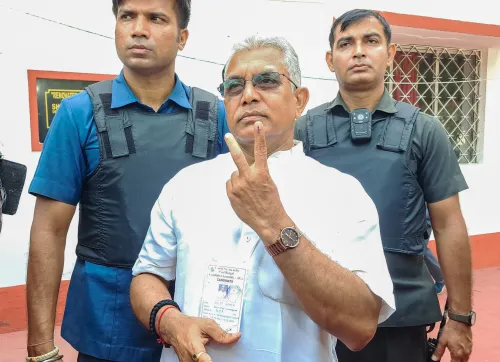
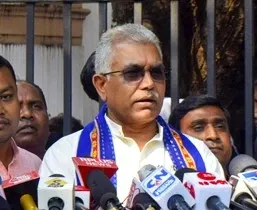
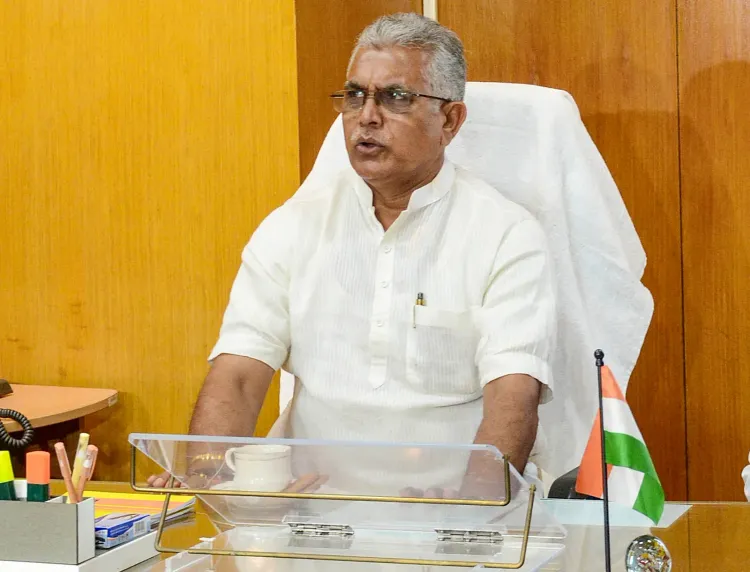
Panchayat Affairs Minister Dilip Ghosh announced the move on 20 July during the extended budget session debate.
Most panchayat bodies remain controlled by All India Trinamool Congress (TMC) representatives, many of whom have reportedly gone missing or become unreachable since the party's Assembly election defeat.
The next three-tier panchayat elections in West Bengal are scheduled for 2028 .
Opposition legislators Sabina Yasmin , Samir Jana , and Bina Mondal raised objections to the curbing of elected representatives' powers.
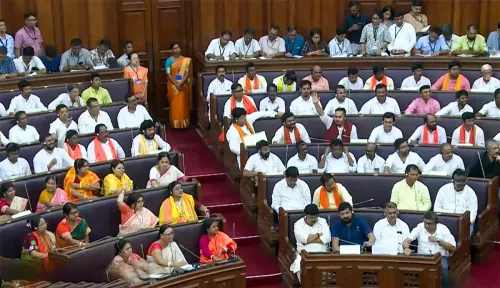
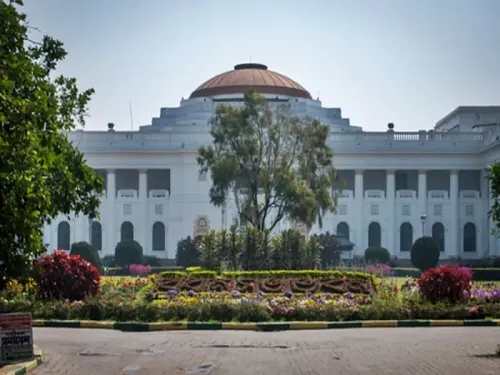
The West Bengal government is set to introduce a new bill in the state Assembly within two weeks that will strip elected village panchayat heads of their powers as 'signatory authorities' for sanctioning funds tied to panchayat activities. Panchayat Affairs and Rural Development Minister Dilip Ghosh made the announcement on 20 July during a debate on budgetary allocations for his department, on the opening day of the extended budget session.
What the Bill Proposes
Under the proposed legislation, the authority to sanction funds for panchayat-related work will shift from elected panchayat chiefs to designated government officials. This marks a significant restructuring of financial powers within West Bengal's three-tier panchayat system — the gram panchayat, panchayat samiti, and zila parishad levels.
Minister Ghosh confirmed the bill will be tabled within a fortnight, though a precise date was not specified. Once enacted, elected heads will no longer hold signing authority over public fund disbursements, effectively reducing their administrative leverage.
Why the Government Says This Is Necessary
The immediate trigger, according to Ghosh, is the widespread absence of panchayat heads following the All India Trinamool Congress (TMC)'s landslide defeat in the recently concluded West Bengal Assembly elections. Most panchayat bodies across the state are currently controlled by TMC-elected representatives, many of whom have reportedly gone missing or become unreachable since the poll results.
This has stalled the processing of critical sanctions for public service activities in rural areas, creating what officials describe as an administrative deadlock. With the next panchayat elections not scheduled until 2028, the government argues the transfer of signatory powers is essential to keep rural civic services functional in the interim.
What the Minister Said
Responding to objections from opposition legislators Sabina Yasmin, Samir Jana, and Bina Mondal, Minister Ghosh issued a blunt warning to absentee panchayat heads. 'Either come to office and perform your duties or resign. If you do neither, we will be left with no option but to have you arrested, bring you to your offices, and make you sign. People cannot be deprived of services,' he said.
The remarks signal that the state government views the absences not merely as an administrative inconvenience but as a dereliction of elected duty — and is prepared to pursue legal remedies if necessary.
Political and Governance Context
The move comes in the immediate aftermath of a historic political transition in West Bengal, with the incoming state government seeking to consolidate administrative control over rural governance structures still dominated by TMC-appointed functionaries. Critics argue the shift of signatory authority from elected representatives to bureaucrats could undermine grassroots democratic accountability — a concern raised on the floor of the Assembly by the opposition. Notably, this is not the first time signatory power disputes have surfaced in Indian panchayat governance; similar tensions have arisen in states following changes in political power.
The bill's passage will be closely watched as a test of how the new government navigates the intersection of political transition and rural service delivery ahead of the 2028 panchayat elections.
Point of View
And administrative workarounds that bypass that mandate can outlast the emergency that justified them. The government's threat of arrest to compel signatures is constitutionally bold; whether it survives legal challenge is another question. More broadly, the episode exposes a structural vulnerability in India's panchayat system: electoral outcomes at the state level can paralyse rural service delivery for years when losing parties control the tier below. West Bengal has an opportunity to design a durable fix — but a bill drafted in political haste risks being a patch, not a solution.
NationPress
20 Oct 2026
Frequently Asked Questions
What is the West Bengal panchayat signatory authority bill?
It is a proposed law that will remove elected village panchayat chiefs from their role as 'signatory authorities' for sanctioning public funds, transferring that power to government officials. The bill is expected to be tabled in the West Bengal Assembly within two weeks of 20 July.
Why is the West Bengal government introducing this bill?
Many panchayat heads — most of them from the All India Trinamool Congress — have reportedly gone missing or become unreachable following TMC's defeat in the West Bengal Assembly elections. Their absence has stalled critical fund sanctions for rural public services, prompting the government to shift signing powers to officials.
Who announced the panchayat bill and when?
Panchayat Affairs and Rural Development Minister Dilip Ghosh announced the bill on 20 July during a debate on budgetary allocations in the West Bengal Assembly's extended budget session.
When are the next panchayat elections in West Bengal?
The next elections for West Bengal's three-tier panchayat system — gram panchayat, panchayat samiti, and zila parishad — are scheduled for 2028, which is why the government says the interim transfer of signatory powers is necessary to maintain rural service delivery.
What did opposition legislators say about the bill?
Opposition legislators Sabina Yasmin, Samir Jana, and Bina Mondal raised objections to curbing the powers of elected panchayat heads, arguing it undermines grassroots democratic representation. Minister Ghosh responded by warning absentee heads to return to duty or face arrest.