Bihar CM Samrat Choudhary meets Jharkhand Finance Minister
Synopsis
Bihar Chief Minister Samrat Choudhary on 22 June 2026 held a courtesy meeting with Jharkhand Finance Minister Radha Krishna Kumar at his official residence, Lok Sevak Avas, reinforcing routine high-level bilateral ties between the two neighbouring eastern Indian states.
Key Takeaways
Bihar CM Samrat Choudhary met Jharkhand Finance Minister Radha Krishna Kumar on 22 June 2026 at Lok Sevak Avas.
The meeting was described as a courtesy call ( shishṭāchār mulāqāt ); no formal agenda or outcome was disclosed.
Jharkhand was carved out of Bihar in November 2000 , giving the two states enduring administrative and economic interdependencies.
Key shared concerns between the states include migrant labour welfare, water resources, mining royalties, and inter-state transport links.
The meeting follows a standard pattern of periodic high-level contact between constitutional functionaries of neighbouring states.
Possible follow-up could involve finance or planning department-level discussions ahead of budget cycles or central fund allocation talks.
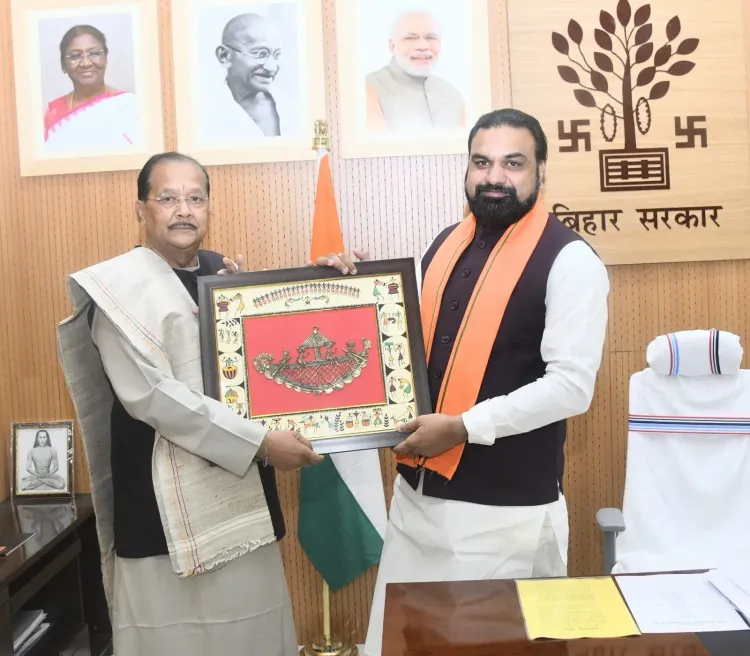
Bihar Chief Minister Samrat Choudhary held a courtesy meeting with Jharkhand Finance Minister Radha Krishna Kumar at Lok Sevak Avas (the official residence) on Monday, 22 June 2026. The meeting marks a high-level bilateral interaction between the two neighbouring eastern Indian states that share deep administrative and economic ties.
Context
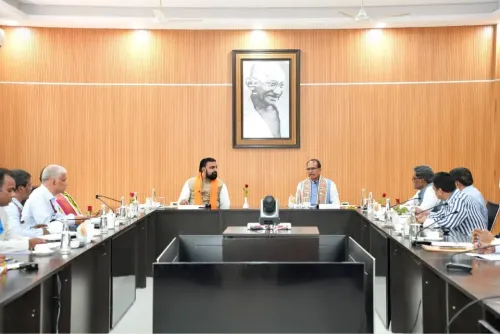
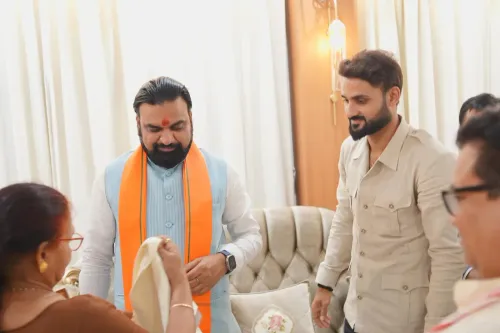
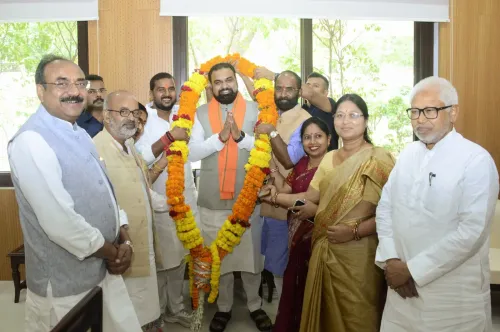
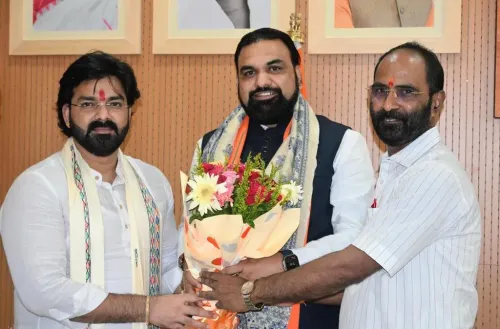
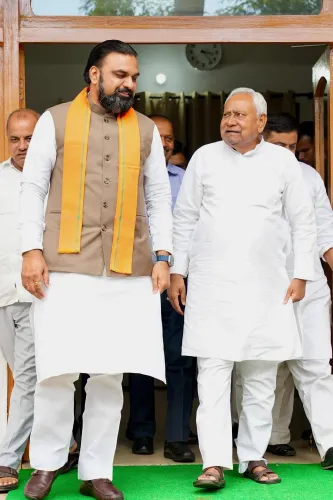
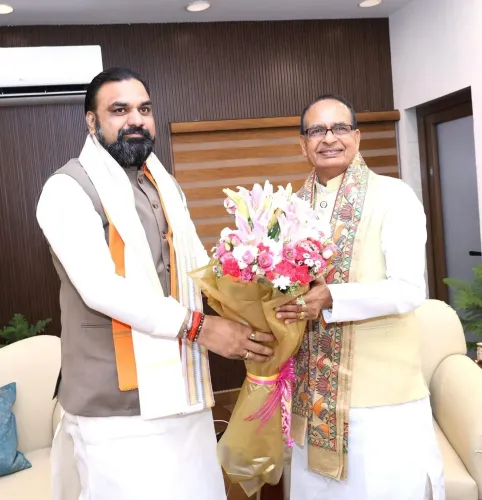
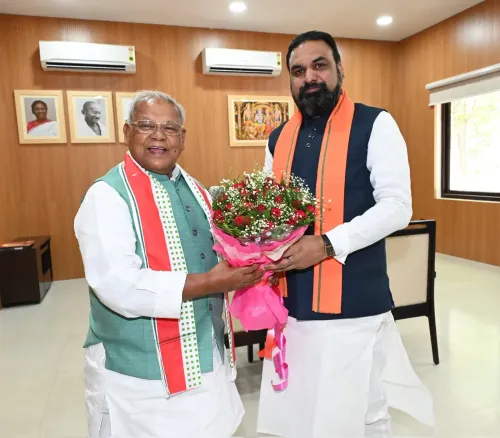
Choudhary posted on X that a 'courtesy meeting' (shishṭāchār mulāqāt) took place with Jharkhand's Finance Minister at Lok Sevak Avas, his official residence. The post, accompanied by three photographs, was shared on the afternoon of 22 June 2026. No formal agenda or outcome was stated in the post.
Courtesy calls between constitutional functionaries of neighbouring states are standard practice in Indian federal politics. They serve to sustain administrative dialogue and personal rapport between state governments, regardless of party alignment.
Policy Backdrop
Jharkhand was carved out of Bihar in November 2000 under the Bihar Reorganisation Act, making the two states inherently linked in terms of geography, demography, and administration. Shared concerns include water resource management, migrant labour welfare, mining royalties, and inter-state transport connectivity.
Finance ministers and chief ministers of the two states periodically engage ahead of annual budget cycles or during discussions on central fund allocations and devolution. Such meetings often lay the groundwork for inter-departmental coordination between planning and finance officials.
Stakeholders and Impact
The primary stakeholders in Bihar-Jharkhand bilateral relations are the state governments themselves, along with communities in border districts that straddle administrative boundaries. Migrant workers from both states — particularly those employed in Jharkhand's mining belt — represent a significant constituency whose welfare depends on smooth inter-state coordination.
Business and trade interests along the Bihar-Jharkhand corridor, as well as local bodies in districts such as Gaya, Aurangabad, Palamu and Chatra, stand to benefit from sustained high-level contact between the two governments. Infrastructure and transport linkages between Patna and Ranchi are also areas of shared interest.
What's Next
While no specific follow-up was announced, courtesy meetings of this nature typically precede or accompany more substantive departmental-level discussions. Possible next steps could include engagement between the finance or planning departments of Bihar and Jharkhand on issues of mutual fiscal concern.
Observers of eastern Indian state politics will watch for any formal joint statements or working-group announcements that may emerge from the interaction in the coming weeks, particularly as both states navigate their respective annual budget exercises and central scheme implementations.
Point of View
Where shared administrative history creates persistent bilateral needs. Given that Jharkhand was once part of Bihar, such courtesy calls carry symbolic weight beyond routine protocol — they signal a willingness to maintain functional ties across political lines. The timing, ahead of potential budget-season discussions, suggests the interaction may have a practical fiscal dimension even if none was publicly stated. For Choudhary, who leads a BJP government in Bihar, maintaining open channels with Jharkhand's administration is strategically prudent given the two states' intertwined economic and demographic realities.
NationPress
22 Jun 2026
Frequently Asked Questions
Why did Bihar CM Samrat Choudhary meet Jharkhand's Finance Minister?
Bihar CM Samrat Choudhary held a courtesy meeting with Jharkhand Finance Minister Radha Krishna Kumar on 22 June 2026 at his official residence, Lok Sevak Avas. The meeting was described as a diplomatic courtesy call; no specific agenda was publicly disclosed.
What is the relationship between Bihar and Jharkhand?
Jharkhand was carved out of Bihar in November 2000 under the Bihar Reorganisation Act. The two states share borders, demographic ties, and ongoing administrative coordination on issues such as migrant labour, water resources, mining royalties, and transport links.
Where did Samrat Choudhary meet the Jharkhand Finance Minister?
The meeting took place at Lok Sevak Avas, the official residence of Bihar Chief Minister Samrat Choudhary, on 22 June 2026.
What issues do Bihar and Jharkhand cooperate on?
Bihar and Jharkhand maintain routine high-level contacts on migrant labour welfare, water resource management, mining royalties, and inter-state transport and infrastructure connectivity, given their shared history and border communities.
Is there a formal agreement expected after this Bihar-Jharkhand meeting?
No formal agreement or outcome was announced following the courtesy call. Such meetings typically precede departmental-level discussions, and follow-up engagement between finance or planning officials of the two states is possible in the coming weeks.