CM Nitish Kumar: Bihar to Build Medical Colleges via PPP
Synopsis
Bihar Chief Minister Nitish Kumar announced during a Health Department review on 26 May 2026 that medical colleges will be developed under PPP using green-field and brown-field models, aiming to address the state's chronic shortage of doctors and MBBS seats.
Key Takeaways
CM Nitish Kumar announced development of medical colleges under the Public-Private Partnership (PPP) model during a Bihar Health Department review on 26 May 2026 .
Both green-field (new campuses) and brown-field (upgraded existing facilities) models will be pursued.
Bihar has historically had one of the lowest doctor-to-population ratios in India, making this a critical policy intervention.
The move aligns with National Medical Commission norms that allow private investment in medical education infrastructure.
Key beneficiaries include Bihar's medical aspirants, private healthcare investors, and district-level health facilities slated for upgrades.
Formal PPP tenders and expressions of interest for specific sites are the expected next steps.
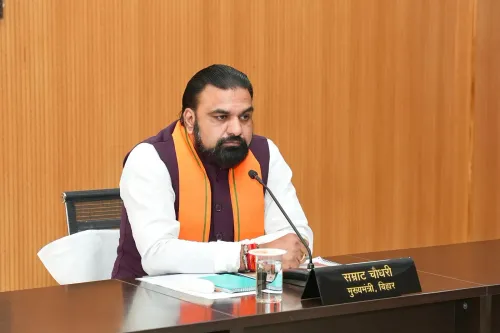
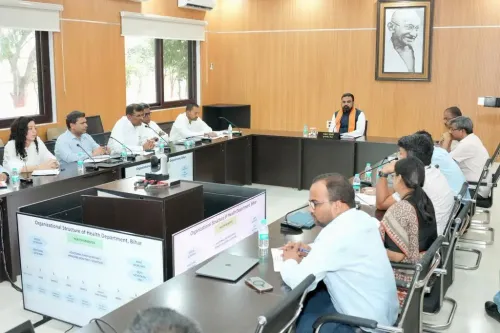
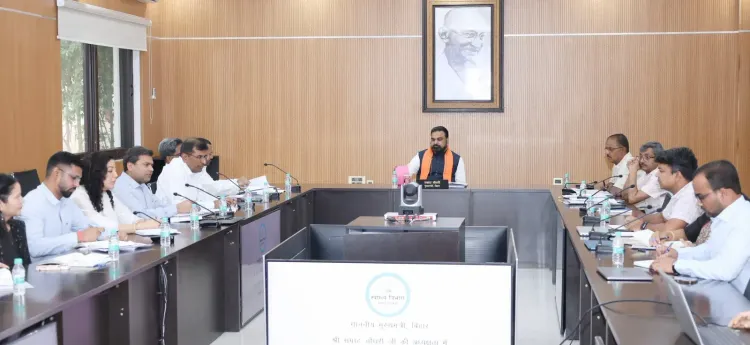
The Chief Minister's Office of Bihar announced on Tuesday, 26 May 2026 that Chief Minister Nitish Kumar has directed the development of medical colleges under the Public-Private Partnership (PPP) model, covering both green-field and brown-field approaches, during a review of the state's Health Department.
Addressing officials at the health review meeting, CM Nitish Kumar stated — in the words of the official post — 'लोक-निजी भागीदारी (PPP) के तहत ग्रीन फील्ड एवं ब्राउन फील्ड मॉडल पर मेडिकल कॉलेजों का विकास किया जाएगा' ('Medical colleges will be developed on the green-field and brown-field model under Public-Private Partnership'). The announcement signals a renewed push to expand medical education infrastructure across the state.
Context
Bihar has historically recorded one of the lowest doctor-to-population ratios in India, making the expansion of medical colleges a long-standing policy priority. The state's Health Department has periodically reviewed infrastructure gaps, and the latest directive from CM Nitish Kumar comes as part of a structured departmental review — a format his administration has used regularly since 2005 to track sectoral progress and issue fresh mandates. The green-field model refers to constructing entirely new medical college campuses, while the brown-field model involves upgrading or expanding existing district hospitals and health facilities into full-fledged medical colleges. Both routes are recognised under frameworks set by the National Medical Commission (NMC), which has progressively eased norms for private investment in medical education.Policy Backdrop
India's push to increase MBBS seats has driven multiple states to adopt PPP frameworks for medical education. The central government's broader agenda of doubling medical seats over a decade has provided states like Bihar the regulatory headroom to invite private partners into public health infrastructure. In 2023-24, the Bihar government had already announced plans for new government medical colleges with private participation, and Tuesday's directive appears to reinforce and potentially accelerate that trajectory. The PPP approach allows the state to leverage private capital for construction and equipment while retaining regulatory oversight over admissions and fee structures — a balance that several Indian states have attempted with varying degrees of success.Stakeholders and Impact
The most direct beneficiaries of expanded medical college capacity are Bihar's medical aspirants, who currently face intense competition for a limited number of MBBS seats in the state and are often compelled to seek admissions outside Bihar. Private hospital chains and healthcare groups with the financial capacity to invest in green-field campuses or partner on brown-field upgrades stand to gain from the new policy direction. District health administrations across the state are also key stakeholders, as brown-field development would likely involve upgrading district-level hospitals — improving not just medical education but also tertiary care access for local populations. The move could meaningfully reduce the state's dependence on medical professionals trained elsewhere.What's Next
The immediate next steps to watch are the issuance of formal PPP tenders or expressions of interest for specific sites, and any official announcement of new sanctioned MBBS seats flowing from this review. The Bihar Health Department is expected to translate the Chief Minister's directive into actionable procurement and partnership frameworks. How quickly private partners are identified and agreements formalised will determine whether this initiative meaningfully shifts the state's medical education landscape in the near term.Point of View
Not just announcement. The choice of both models signals pragmatism: green-field sites can be purpose-built in underserved districts, while brown-field upgrades extract more value from existing public hospital infrastructure. For a state that has long exported its medical aspirants to other states, this is a direct electoral and governance pressure point. The real test will be whether PPP tenders follow quickly, or whether the directive remains aspirational pending central approvals and private-sector appetite.
NationPress
10 Oct 2026
Frequently Asked Questions
What did Bihar CM Nitish Kumar announce about medical colleges?
CM Nitish Kumar announced on 26 May 2026 that Bihar will develop medical colleges under the PPP model using both green-field (new campuses) and brown-field (upgraded existing hospitals) approaches, as stated during a Health Department review.
What is the difference between green-field and brown-field medical colleges?
Green-field medical colleges are built as entirely new campuses on fresh land, while brown-field medical colleges involve upgrading or expanding existing district hospitals or health facilities into full-fledged medical institutions.
Why does Bihar need more medical colleges?
Bihar has historically had one of the lowest doctor-to-population ratios in India, and the state lacks sufficient MBBS seats, forcing many students to seek admissions in other states.
What is PPP in the context of medical colleges in India?
Public-Private Partnership (PPP) in medical education allows private entities to co-invest in building or upgrading medical college infrastructure while the state retains oversight on admissions and fees, under norms set by the National Medical Commission.
What are the next steps after Bihar's PPP medical college announcement?
The Bihar Health Department is expected to issue formal PPP tenders or expressions of interest for specific sites, with any increase in sanctioned MBBS seats being a key indicator of progress.