Bihar floods 2026: Govt deploys NDRF, CM Choudhary surveys 6 worst-hit districts
Synopsis
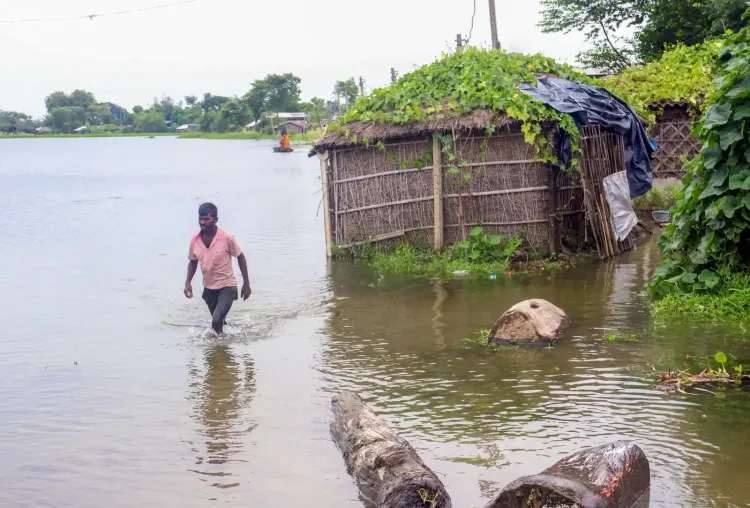
Bihar is in the grip of a second flood surge this season, with 5.5 lakh cusecs of water battering six districts and a yellow alert active across 12 more. Chief Minister Samrat Choudhary has taken to the skies for a survey while NDRF teams work around the clock — yet the deeper question officials are raising is structural: without a high dam built in coordination with Nepal, this annual cycle of destruction may never end.
Key Takeaways
Bihar Minister Ram Kripal Yadav confirmed the state government is providing full relief across 6–7 flood-hit districts as of 29 September 2026 .
Chief Minister Samrat Choudhary conducted an aerial and ground survey, including a visit to Hussaini block, East Champaran .
JD(U) spokesperson Rajiv Ranjan Prasad described this as the second phase of the flood crisis, with a discharge of around 5.5 lakh cusecs of water.
NDRF and SDRF teams are deployed round the clock; relief camps and community kitchens are operational.
The Meteorological Centre has issued a yellow alert for rain and thunderstorms in 12 north Bihar districts , with winds up to 30 kmph .
JD(U) General Secretary Shyam Rajak said the Government of India has in principle accepted a demand for a high dam to be built in coordination with Nepal to provide long-term flood protection.
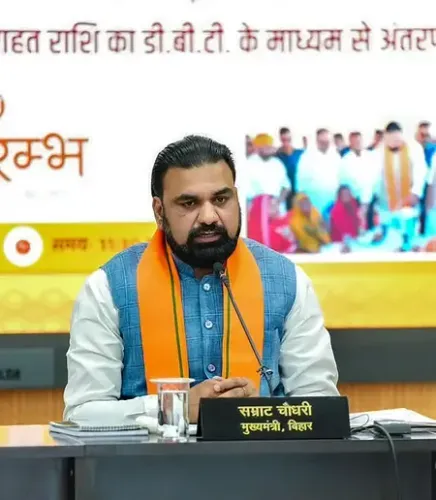
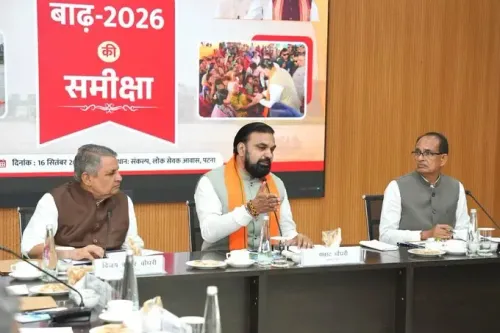
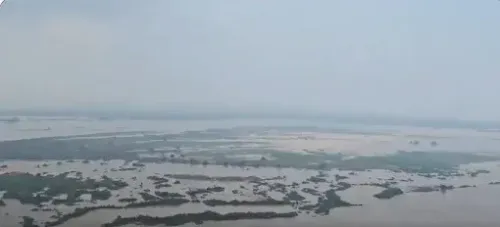
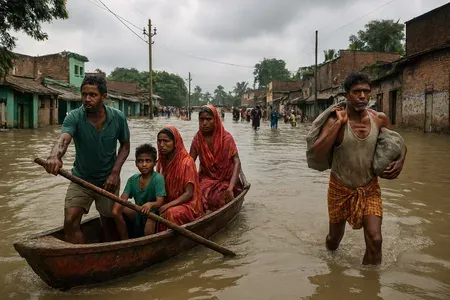
Bihar Minister Ram Kripal Yadav on Tuesday, 29 September 2026 stated that the state government is deploying all necessary measures to provide relief to flood-affected residents across six to seven districts of Bihar, as water levels in several rivers rose beyond danger marks. Chief Minister Samrat Choudhary conducted an aerial survey of inundated areas, underscoring the severity of what officials are calling the second phase of this season's flood crisis.
Scale of the Crisis
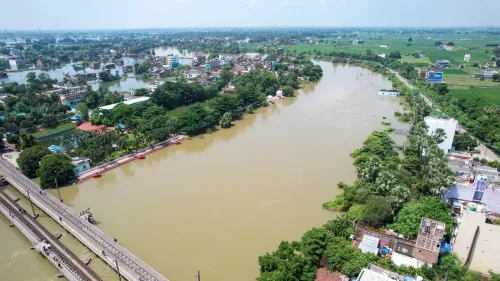
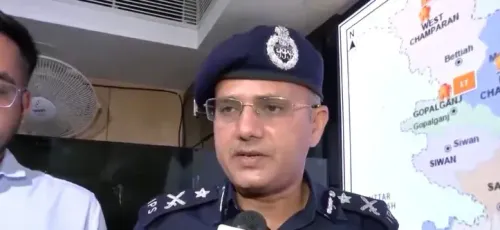
Janata Dal (United) National Spokesperson Rajiv Ranjan Prasad described the current situation as a second surge, with a discharge of approximately 5.5 lakh cusecs of water pushing through river systems and leaving around six districts badly affected. The Meteorological Centre has issued a yellow alert for rain in 12 districts of north Bihar, including East Champaran, with thunderstorms and winds of up to 30 kmph forecast.
Minister Yadav noted that the recurring pattern of devastation strikes farmers particularly hard. 'Sometimes it is the Gandak that causes havoc, and sometimes it is the impact from Nepal. A flood is a disaster, and this is what the entire state of Bihar is suffering from. Every year, there is devastation. Farmers' crops are destroyed, infrastructure is damaged, and whatever is rebuilt over the course of a year is destroyed again,' he said.
Government Response and Relief Operations
Chief Minister Samrat Choudhary conducted both an aerial and a surface-level inspection, visiting Hussaini block in East Champaran district to assess conditions around Dumaria Ghat Bridge and surrounding areas. He sought updates from officials on water levels and containment measures.
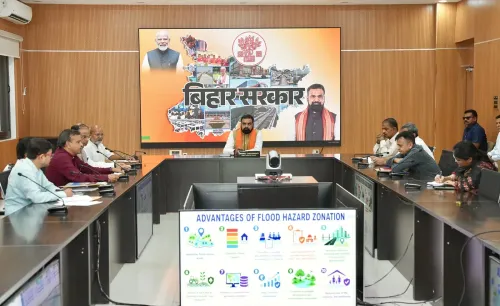
NDRF and SDRF teams are reportedly working round the clock. Precautionary steps in place include protection of embankments, relief camps, community kitchens, and protocols for evacuating residents to safe locations. Ranjan Prasad noted that operations are being conducted in accordance with the standard operating procedures drawn up under former Chief Minister Nitish Kumar.
Minister Yadav affirmed the government's commitment to agriculture: 'The government stands fully with the farmers. We will serve the farmers of the state to our full potential.'
The Nepal Factor and Long-Term Demands
JD(U) National General Secretary Shyam Rajak pointed to glacial melt and runoff from Nepal as the structural driver behind Bihar's annual flood cycles. 'When glaciers break in Nepal and water flows down from there, Bihar, being a Terai region, is naturally at greater risk,' he said. He added that the party has long demanded a high dam be constructed in coordination with Nepal, and claimed the Government of India has now accepted this demand in principle. 'Once it is built, it will certainly ensure the safety of Bihar,' he said.
This comes amid a broader, decades-long debate over transboundary water management between India and Nepal along rivers such as the Gandak, Kosi, and Bagmati — all of which drain southward into Bihar's flatlands.
Advisory to Residents
Officials urged residents in flood-affected zones not to panic and to strictly follow district administration guidelines. Ranjan Prasad said, 'Instead of panicking, the people living in the flood-ridden areas should listen and adhere to the guidelines issued by the district administration.' The administration has been put on heightened alert given the yellow alert still active for 12 north Bihar districts.
With the second flood phase still unfolding and more rain forecast, the government's ability to sustain relief operations across all affected districts will be closely watched in the coming days.
Point of View
NDRF deployments, and assurances that the government stands with farmers — followed by another year of the same. The more substantive claim this time is the reported acceptance of a high-dam proposal with Nepal, which, if true, would represent a genuine policy shift after decades of only bilateral dialogue. But 'accepted in principle' and 'built' are separated by years of diplomacy, funding, and environmental clearances. Until that dam exists, the 5.5 lakh cusecs will keep returning, and Bihar's Terai flatlands will keep absorbing them.
NationPress
29 Sept 2026
Frequently Asked Questions
What is the current flood situation in Bihar in September 2026?
Bihar is experiencing the second phase of severe flooding in September 2026, with approximately 5.5 lakh cusecs of water discharged and around six districts badly affected. The Meteorological Centre has issued a yellow alert for 12 north Bihar districts, signalling more rain ahead.
Which districts are most affected by Bihar floods right now?
Officials have identified six to seven districts as severely affected, with East Champaran specifically highlighted. Chief Minister Samrat Choudhary visited Hussaini block in East Champaran to assess flooding around Dumaria Ghat Bridge.
What relief measures has the Bihar government put in place?
The government has deployed NDRF and SDRF teams round the clock, set up relief camps and community kitchens, and initiated embankment protection work. Operations follow the standard operating procedures established under former Chief Minister Nitish Kumar.
Why does Bihar flood every year, and what is the Nepal connection?
Bihar's location in the Terai region makes it naturally vulnerable to water flowing down from Nepal when glaciers break or heavy rainfall occurs in the Himalayan catchment. Rivers such as the Gandak carry large volumes of water southward into Bihar's flat terrain, causing annual inundation.
Is there a long-term solution being considered for Bihar's recurring floods?
JD(U) General Secretary Shyam Rajak stated that the Government of India has accepted in principle a longstanding demand to build a high dam in coordination with Nepal. If constructed, the dam is expected to significantly reduce the annual flood impact on Bihar and other downstream regions.