Bihar floods hit 12-16 districts; central team to assess damage on Sep 16
Synopsis
Nearly 50 lakh people across 15 districts are reeling from Bihar's worst monsoon flooding this season, with crops destroyed and homes washed away. Union Agriculture Minister Shivraj Singh Chouhan is set to lead a central assessment team to Patna on 16 September — a visit Bihar's ruling JD(U) is counting on to unlock additional federal relief funds.
Key Takeaways
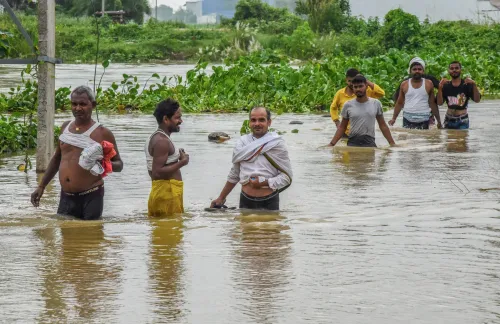
Bihar Minister Ram Kripal Yadav confirmed floods have spread across 12 to 16 districts , causing extensive damage to crops, houses and infrastructure.
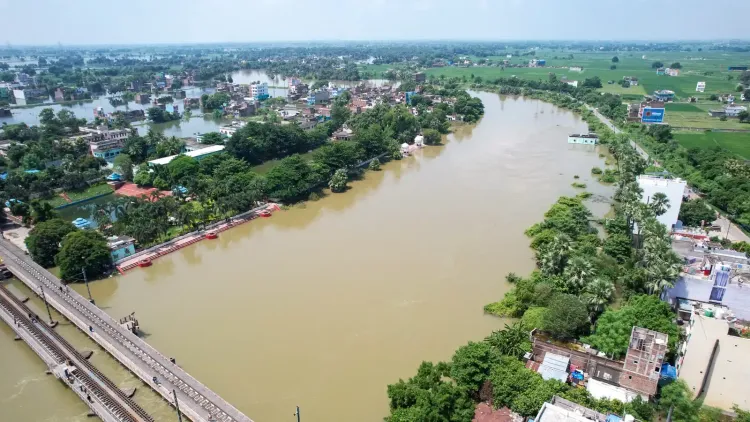
Approximately 49.67 lakh people have been affected across 15 districts , according to official figures.
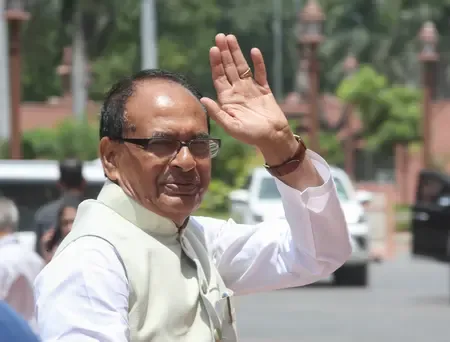
A central team led by Union Agriculture Minister Shivraj Singh Chouhan is expected to arrive in Patna on 16 September for a ground-level damage assessment.
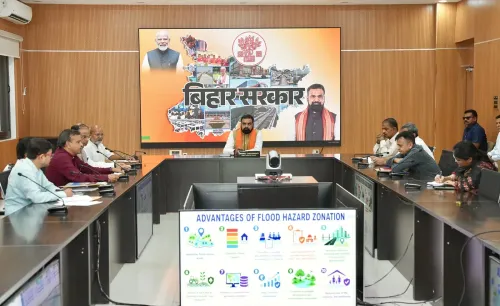
Bihar Chief Minister Samrat Choudhary confirmed the visit; a review meeting at the CM level is also planned.
JD(U) spokesperson Rajeev Ranjan said the state needs additional central resources to restore normalcy even as the situation gradually improves.
Water levels in the Ganga and most rivers are receding, but several rivers continue to flow above danger marks.
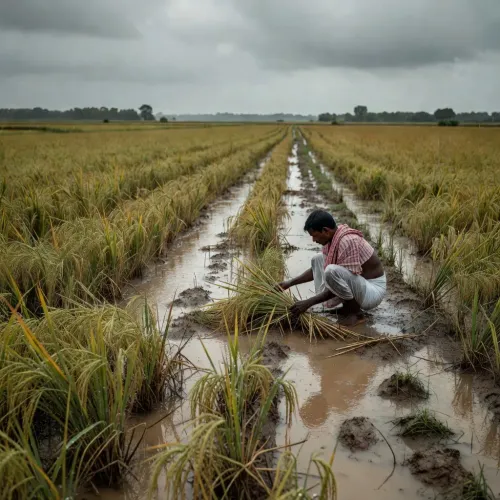
Bihar Minister Ram Kripal Yadav on 15 September 2026 confirmed that floods have spread across 12 to 16 districts in the state, destroying crops, washing away houses and leaving lakhs of people in severe distress. A high-level central team led by Union Agriculture Minister Shivraj Singh Chouhan is expected to reach Patna on 16 September to conduct a ground-level damage assessment.
Scale of the Flood Crisis
According to official figures, approximately 49.67 lakh people have been affected across 15 districts of Bihar. Yadav described the destruction as extensive: farmers' crops have been ruined, infrastructure damaged, and homes submerged or washed away entirely. While water levels in major rivers including the Ganga have begun receding, several rivers continue to flow above their respective danger marks at multiple locations, keeping large parts of the state on edge.
What the Central Team Will Do
The assessment mission, headed by Chouhan, will tour affected districts to evaluate the extent of damage to agriculture, housing and public infrastructure. Bihar Chief Minister Samrat Choudhary confirmed the visit but did not specify an exact arrival time; sources indicate the team is likely to reach Patna on 16 September. A separate review meeting at the Chief Minister level is also expected in connection with the flood situation.
State's Expectations from New Delhi
Janata Dal (United) National Spokesperson Rajeev Ranjan said Bihar has significant expectations from the central team given the magnitude of suffering on the ground. 'Certainly, we have expectations because the damage caused by the floods in Bihar has been severe and people's difficulties have increased,' Ranjan said. He added that while the situation is gradually improving, the state government will need additional resources to restore normalcy — and stressed that Bihar should receive all assistance it is entitled to following the central assessment.
Relief, Rehabilitation and What Comes Next
The Centre's appraisal is expected to determine how much financial and logistical support Bihar qualifies for under the National Disaster Response Fund (NDRF) framework, covering relief operations, rehabilitation of displaced families, and reconstruction of damaged infrastructure and farmland. This is not an isolated event: Bihar is among India's most flood-prone states, with the rivers originating in Nepal — including the Kosi, Gandak and Bagmati — regularly breaching danger marks during the monsoon season. The scale of this year's inundation, with nearly 50 lakh people affected, underscores the urgency of both immediate relief and longer-term flood management investment.
Point of View
But the real question is whether the resulting assistance translates into resilient infrastructure or merely temporary relief that resets to zero before the next monsoon. With nearly 50 lakh people affected this season alone, and Bihar's flood-prone river systems still largely ungoverned at the Nepal border, the Centre's response needs to move beyond damage tallies and toward upstream water-management agreements. The political optics of a Cabinet minister's visit matter far less than the speed and scale of NDRF disbursement — and whether Bihar's farmers receive crop-loss compensation before the rabi sowing window closes.
NationPress
15 Sept 2026
Frequently Asked Questions
How many people have been affected by the Bihar floods in 2026?
Approximately 49.67 lakh people have been affected across 15 districts of Bihar, according to official figures released on 15 September 2026. Crops, houses and infrastructure have suffered extensive damage.
Which central minister is visiting Bihar to assess flood damage?
Union Agriculture Minister Shivraj Singh Chouhan is leading a high-level central team to Bihar. The team is expected to reach Patna on 16 September to conduct a ground-level damage assessment.
What did Bihar Minister Ram Kripal Yadav say about the floods?
Yadav stated that the floods have spread across around 12 to 16 districts, destroying farmers' crops, damaging infrastructure and washing away homes. He said lakhs of people are facing severe difficulties as a result.
What assistance is Bihar seeking from the Centre?
Bihar is seeking federal relief for rescue operations, rehabilitation of displaced families, and reconstruction of damaged agricultural land and infrastructure. JD(U) spokesperson Rajeev Ranjan said the state will need additional resources to restore normalcy after the central team completes its assessment.
Is the flood situation in Bihar improving?
The situation is gradually improving, with water levels in the Ganga and most rivers beginning to recede. However, several rivers continue to flow above danger marks at various locations, keeping parts of Bihar at risk.