Shivraj Singh Chouhan in Bihar today for flood assessment, crop damage review
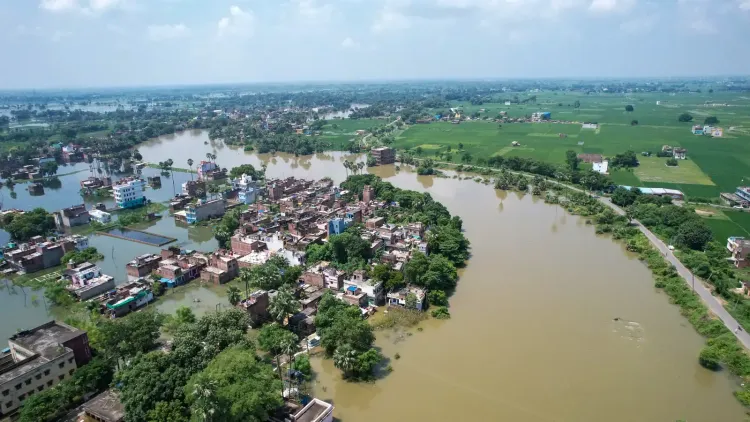
Synopsis
With 49.67 lakh people across 15 Bihar districts hit by floods and rivers still above danger marks, Union Minister Shivraj Singh Chouhan landed in Patna on Wednesday for a day-long ground assessment — aerial survey, farmland walks, a sit-down with CM Samrat Choudhary, and a relief camp visit in Munger. The Centre's findings will determine how much financial support Bihar receives for recovery and the upcoming Rabi season.
Key Takeaways
Union Minister Shivraj Singh Chouhan undertook a full-day flood assessment visit to Bihar on 16 September 2026 .
He conducted an aerial survey of Dighwara and Maner , departing from Patna State Hangar at 10:30 am .
Field visits to Terasia and Saraipur villages included direct interaction with flood-affected farmers.
A high-level meeting was held with Bihar CM Samrat Choudhary at 'Samvad' secretariat at around 12:15 pm .
Approximately 49.67 lakh people across 15 districts have been affected by the Bihar floods.
Chouhan also visited a relief camp at Nawabgarhi in Munger to review relief operations.
Union Minister for Agriculture and Farmers Welfare and Rural Development Shivraj Singh Chouhan arrived in Bihar on Wednesday, 16 September 2026, for an intensive field visit to assess the ongoing flood situation, inspect agricultural damage, and review relief and rescue operations across the state's worst-hit areas.
Aerial Survey and Field Visits
Chouhan departed from the Patna State Hangar at approximately 10:30 am for a helicopter aerial survey of flood-affected areas in Dighwara and Maner. He subsequently travelled by road to Terasia and Saraipur villages, where he walked through agricultural fields to assess crop damage firsthand and interacted directly with local farmers to hear their concerns.
A senior team from the Union Ministry of Agriculture and Farmers Welfare and Rural Development accompanied the minister throughout the visit.
High-Level Review Meeting in Patna
After completing field assessments, Chouhan travelled across the Gandhi Setu to 'Samvad', the Chief Minister's Secretariat in Patna, arriving at around 12:15 pm. There, he chaired a high-level review meeting with Bihar Chief Minister Samrat Choudhary and senior state officials. The discussions covered flood disaster management, ongoing relief and rescue operations, and the quantum of assistance required for affected farmers and damaged infrastructure.
Bihar CM Samrat Choudhary had earlier confirmed that a central team led by Chouhan would visit the state to conduct a ground-level assessment of flood damage and relief requirements.
Scale of the Flood Crisis
The flood situation in Bihar remains serious. According to official figures, approximately 49.67 lakh people across 15 districts have been affected. While water levels have begun receding in most rivers — including the Ganga — several rivers continue to flow above their danger marks at multiple locations. The scale of displacement and agricultural loss has prompted the Centre to fast-track its assessment mission.
Relief Camp Inspection in Munger
Following the Patna review, Chouhan was scheduled to depart at around 1:30 pm for Nawabgarhi in Munger, where he planned to visit a relief camp, meet flood victims, and evaluate the quality and effectiveness of ongoing relief operations on the ground.
What the Assessment Could Determine
The Centre's assessment is expected to provide a detailed account of damage to agricultural land, rural infrastructure, and livelihoods, which will directly inform the extent of financial assistance Bihar receives for relief, rehabilitation, and restoration. This comes amid growing pressure on state and central governments to ensure timely compensation reaches affected farmers before the Rabi sowing season approaches.
Point of View
And Bihar, a politically consequential state for the BJP, gets visible federal attention at a time of acute distress. The real question is what follows the assessment: previous post-flood central visits have not always translated into expedited relief disbursements, and with the Rabi sowing window approaching, delays in farmer compensation could compound agricultural losses. The fact that rivers are still above danger marks while 49.67 lakh people remain displaced suggests that the relief pipeline needs to move faster than the paperwork.
NationPress
16 Sept 2026
Frequently Asked Questions
Why is Shivraj Singh Chouhan visiting Bihar today?
Union Minister Shivraj Singh Chouhan is visiting Bihar on 16 September 2026 to assess the flood situation, inspect crop damage in affected agricultural areas, and review ongoing relief and rescue operations. The visit follows confirmation from Bihar CM Samrat Choudhary that a central team would arrive to evaluate the state's assistance requirements.
How many people have been affected by the Bihar floods?
According to official figures, approximately 49.67 lakh people across 15 districts of Bihar have been affected by the floods. While water levels have started receding in several rivers including the Ganga, many rivers continue to flow above their danger marks.
Which areas did Chouhan survey during his Bihar visit?
Chouhan conducted an aerial helicopter survey of flood-hit areas in Dighwara and Maner before travelling by road to Terasia and Saraipur villages for ground-level crop damage assessment. He also visited a relief camp at Nawabgarhi in Munger later in the day.
What was discussed at the review meeting with Bihar CM Samrat Choudhary?
The high-level meeting at the Chief Minister's Secretariat 'Samvad' in Patna covered flood disaster management, ongoing relief and rescue operations, and the financial assistance required by Bihar for recovery, rehabilitation, and restoration of damaged agricultural land and infrastructure.
What happens after Chouhan's flood assessment visit?
The Centre's assessment is expected to determine the scale of financial assistance Bihar will receive for relief, rehabilitation, and infrastructure restoration. The findings are particularly critical given the approaching Rabi sowing season, which depends on the condition of farmland and timely compensation for crop losses.