PM Modi pays tribute to Sardar Patel at Statue of Unity on Jayanti
Synopsis
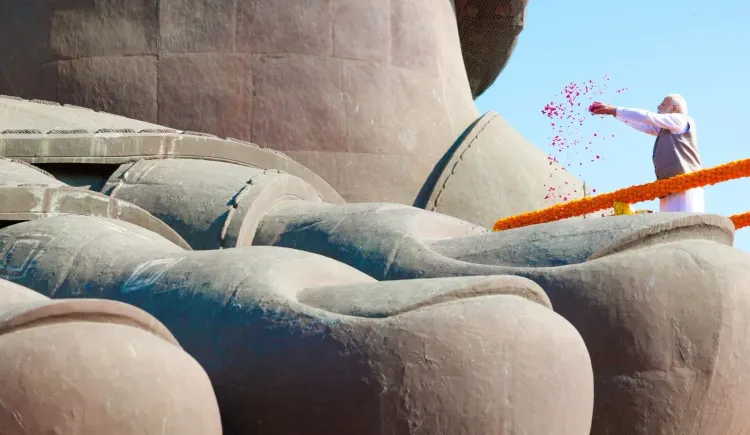
Prime Minister Narendra Modi paid homage to Sardar Vallabhbhai Patel at the Statue of Unity in Kevadia, Gujarat on 31 October 2026, marking Patel Jayanti and Rashtriya Ekta Diwas with his annual visit to the world's tallest statue.
Key Takeaways
PM Modi visited the Statue of Unity in Kevadia, Gujarat on 31 October 2026 to mark Sardar Patel's birth anniversary .
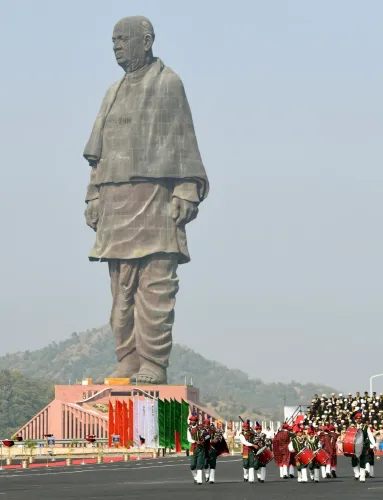
The Statue of Unity , inaugurated by Modi on 31 October 2018 , stands at 182 metres — the tallest statue in the world.
Sardar Vallabhbhai Patel integrated more than 500 princely states into the Indian Union after independence in 1947 .
The Modi government designated 31 October as Rashtriya Ekta Diwas (National Unity Day) in 2014 .
Modi described Patel's 'extraordinary vision, unwavering resolve and monumental contribution to national integration' in his post.
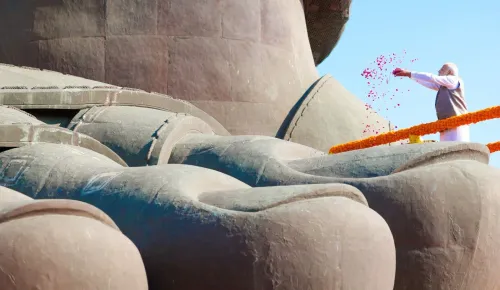
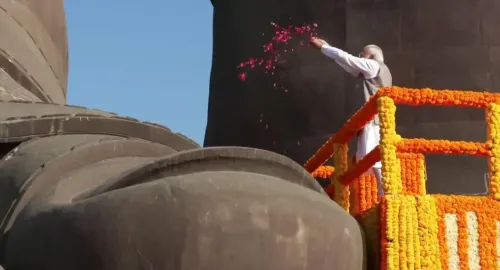
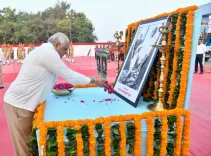
Every year on 31 October, the world's tallest statue stands as a reminder of the man who stitched a fractured subcontinent into a single republic — and Prime Minister Narendra Modi made the pilgrimage to Kevadia, Gujarat once again to honour that legacy. Modi paid homage to Sardar Vallabhbhai Patel at the Statue of Unity, marking Patel's birth anniversary with a visit to the monument that has become inseparable from the occasion.
A colossus built to outlast politics
The Statue of Unity, standing at 182 metres in the Narmada district of Gujarat, was inaugurated by PM Modi on 31 October 2018 — precisely on Patel's birth anniversary. It is the tallest statue in the world, conceived as a permanent, unmissable statement about Patel's place in India's founding story. The choice of Kevadia was deliberate: the site overlooks the Sardar Sarovar Dam, a project Patel himself had envisioned for the region's development.
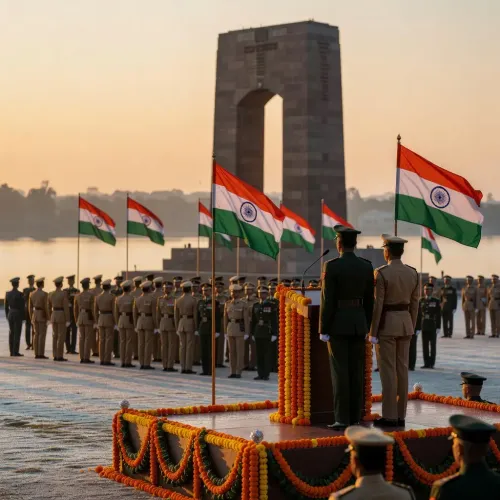
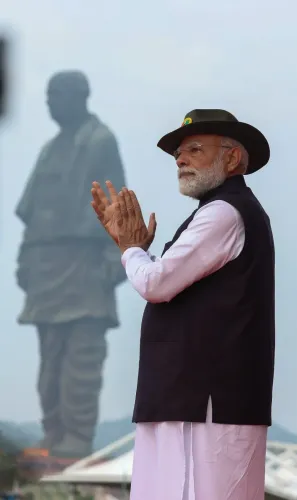
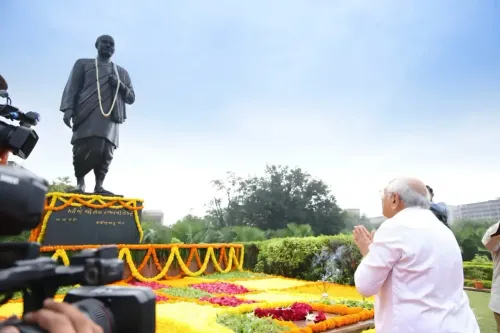
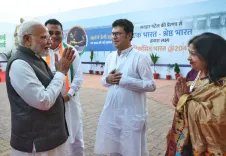
Modi, posting on X, wrote: 'Paid homage to Sardar Vallabhbhai Patel at the Statue of Unity in Kevadia. His extraordinary vision, unwavering resolve and monumental contribution to national integration continue to inspire generations.' The tribute came accompanied by four photographs from the visit.
The integration that defined modern India
Sardar Patel, India's first Deputy Prime Minister and Home Minister, is credited with the diplomatic and — where necessary — firm absorption of more than 500 princely states into the Indian Union following independence in 1947. Historians regard the integration as one of the most consequential acts of statecraft in the twentieth century. Without it, the map of modern India would look strikingly different. That achievement is what the Statue of Unity was built to commemorate.
An annual ritual with political resonance
PM Modi has visited the Statue of Unity on 31 October across multiple years, making the Kevadia pilgrimage a fixed marker in the government's commemorative calendar. The BJP-led administration has consciously elevated Patel's profile in national memory — framing him as a symbol of decisive, unified governance. The date itself carries extra weight: 31 October is also observed as Rashtriya Ekta Diwas (National Unity Day), a designation introduced by the Modi government in 2014 to institutionalise the annual tribute.
For a leader who built his political identity partly around the theme of national integration, the annual return to Kevadia is both a tribute and a statement — the monument and the messenger reinforcing each other, year after year.
Point of View
Integrationist governance. By institutionalising Rashtriya Ekta Diwas and building the Statue of Unity, the BJP has worked to associate itself with Patel's legacy of strong centralised nation-building, a framing that carries obvious contemporary resonance. The tribute is ceremonially routine but politically deliberate. Each year the pilgrimage reinforces both the government's historical positioning and the monument's growing role as a national landmark.
NationPress
31 Oct 2026
Frequently Asked Questions
Why does PM Modi visit the Statue of Unity every year on 31 October?
31 October is the birth anniversary of Sardar Vallabhbhai Patel , also observed as Rashtriya Ekta Diwas (National Unity Day). PM Modi inaugurated the Statue of Unity on this date in 2018 and has returned annually to pay tribute.
What is the Statue of Unity and where is it located?
The Statue of Unity is a 182-metre statue of Sardar Vallabhbhai Patel located in Kevadia, Narmada district, Gujarat . It is the tallest statue in the world and was inaugurated by PM Modi on 31 October 2018 .
What is Sardar Patel known for in Indian history?
Sardar Vallabhbhai Patel was India's first Deputy Prime Minister and Home Minister , credited with integrating more than 500 princely states into the Indian Union after independence in 1947 , a feat regarded as one of the greatest acts of statecraft of the twentieth century.
What is Rashtriya Ekta Diwas?
Rashtriya Ekta Diwas (National Unity Day) is observed on 31 October every year to mark the birth anniversary of Sardar Patel . It was instituted by the Modi government in 2014 to celebrate his contribution to national integration.
When was the Statue of Unity inaugurated?
The Statue of Unity was inaugurated by Prime Minister Narendra Modi on 31 October 2018 , on the birth anniversary of Sardar Vallabhbhai Patel , in Kevadia, Gujarat .