CM Samrat Choudhary Seals ₹6,000 Cr Steel MoU for Gaya
Synopsis
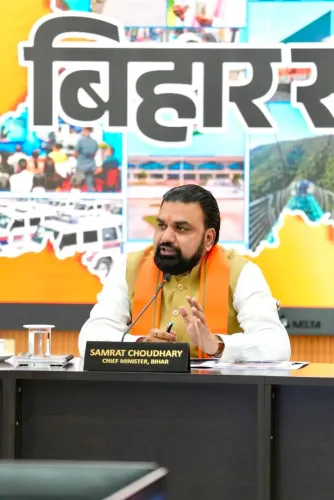
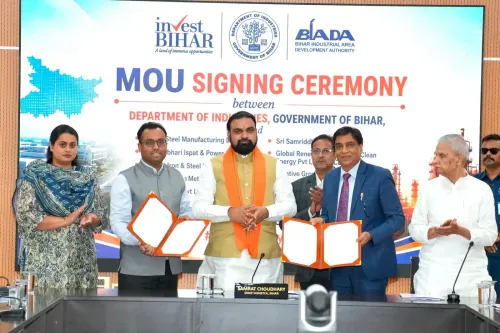
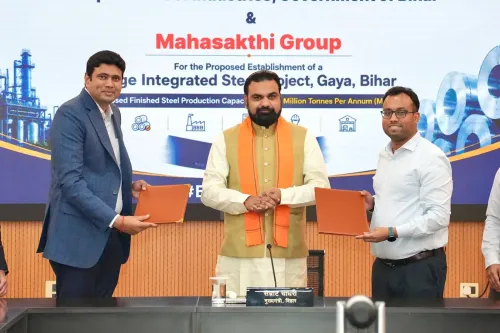
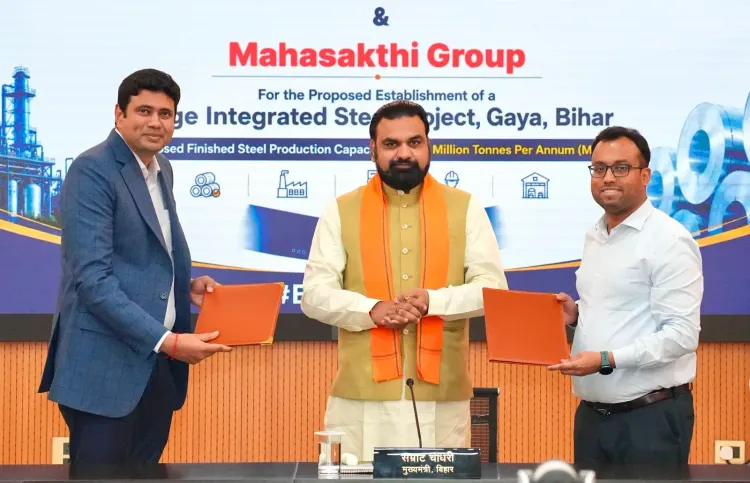
Bihar CM Samrat Choudhary oversaw the signing of a ₹6,000 crore MoU between the state Industry Department and Mahashakti Group for an integrated steel plant in Gaya with 1–1.5 MTPA capacity, promising large-scale direct and indirect employment across the region.
Key Takeaways
An MoU was signed at Patna's 'Sankalp' auditorium on 30 July 2026 between Bihar's Department of Industries and the Mahashakti Group .
The proposed integrated steel plant in Gaya carries an estimated project cost of approximately ₹6,000 crore .
Planned production capacity stands at 1.0–1.5 million tonnes per annum (MTPA) .
The project is expected to generate large-scale direct and indirect employment and provide fresh momentum to ancillary and small-scale industries in the region.
The announcement is part of Bihar's sustained multi-year push to attract private capital in capital-intensive manufacturing sectors.
Land acquisition, environmental clearances, and construction milestones remain key steps before the plant becomes operational.
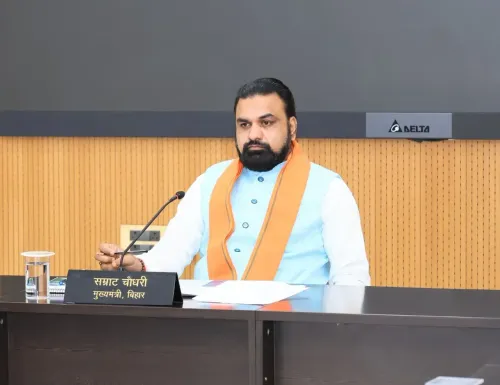
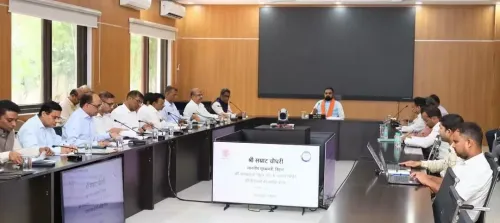
A single signature in Patna's 'Sankalp' auditorium on Thursday, 30 July 2026 could reshape the industrial map of southern Bihar. Bihar Chief Minister Samrat Choudhary presided over the signing of a Memorandum of Understanding between the state's Department of Industries and the Mahashakti Group for a proposed integrated steel plant in Gaya — a project pegged at approximately ₹6,000 crore with a production capacity of 1.0 to 1.5 million tonnes per annum (MTPA).
What the Gaya Steel Plant Would Mean for Bihar
The numbers are significant. A 1–1.5 MTPA integrated steel facility is not a small-batch operation — it is the kind of capital-intensive anchor that pulls in raw-material suppliers, logistics networks, fabrication units, and service industries around it. Gaya, historically better known as a pilgrimage hub than a manufacturing centre, sits in a region where large-scale industrial employment has been thin. If the project clears land acquisition and environmental hurdles and moves to construction, it would represent one of the largest single private investments in the district's recent history.
CM Choudhary framed the MoU in his post as 'audyogik vikas, nivesh aur bade paimane par pratyaksh evam apratyaksh rozgar srijan ki disha mein ek mahatvapurn kadam' — 'an important step towards industrial development, investment, and large-scale direct and indirect employment creation.' The accompanying hashtags — #InvestInBihar, #MakeInBihar, #SteelProject — signal that this announcement is also aimed squarely at the national investor community.
Bihar's Long Chase for Heavy-Industry Capital
Bihar has spent the better part of a decade trying to break its dependence on agriculture and remittances by courting private capital in manufacturing. Successive industrial policies since the mid-2010s have offered incentives, land facilitation, and single-window clearances — with mixed results in capital-intensive sectors. Steel is a particularly prized target: it generates direct factory jobs, but its multiplier effect on ancillary and small-scale industry is where the real employment arithmetic adds up.
The Mahashakti Group MoU fits a broader eastern-India pattern. States like Odisha and Jharkhand have long dominated domestic steel geography. Bihar's pitch is that land availability, a large labour pool, and improving infrastructure — including national highway and rail connectivity through Gaya — make it a credible alternative. The 1–1.5 MTPA capacity range also aligns with national targets to expand domestic steel output as India pushes towards 300 MTPA national capacity by the end of the decade.
What Has to Happen Before Steel Flows
An MoU is a statement of intent, not a shovel in the ground. The critical path for the Gaya project runs through land acquisition, environmental impact assessment, and statutory clearances — each a potential bottleneck in Indian heavy-industry timelines. The state's ability to fast-track these processes will determine whether this announcement translates into a functioning plant or a line item in an investment-summit brochure.
Bihar's youth, its MSME ecosystem, and the regional supply chain all have a stake in what comes next. The signing at Lokasevak Avas in Patna is the easy part. The harder work — and the real measure of this government's industrial ambition — begins now, on the ground in Gaya.
Point of View
Low-investment state and compete with eastern industrial peers like Odisha and Jharkhand. For CM Samrat Choudhary, anchoring a ₹6,000 crore project in a historically underserved district like Gaya carries both economic and political weight ahead of future electoral cycles. The 1–1.5 MTPA capacity signals ambition, but Bihar's track record on converting MoUs into operational plants means the real test lies in execution — particularly on land acquisition and clearances. If the Gaya project progresses to ground-breaking, it could meaningfully strengthen the state's case at national investment forums.
NationPress
14 Sept 2026
Frequently Asked Questions
What is the Bihar steel plant MoU signed in Patna?
Bihar's Department of Industries signed an MoU with the Mahashakti Group on 30 July 2026 for a proposed integrated steel plant in Gaya with a project cost of approximately ₹6,000 crore and a production capacity of 1.0–1.5 MTPA.
Where will the new Bihar steel plant be located?
The proposed integrated steel plant will be located in Gaya, a district in southern Bihar.
How many jobs will the Gaya steel plant create?
The MoU announcement promises large-scale direct and indirect employment, though specific job numbers have not been disclosed. Ancillary and small-scale industries in the region are also expected to benefit.
Who is Mahashakti Group?
Mahashakti Group is the private entity that has signed the MoU with the Bihar government to establish the proposed integrated steel plant in Gaya.
What is the production capacity of the Gaya steel plant?
The proposed plant is designed for a production capacity of 1.0 to 1.5 million tonnes per annum (MTPA).