Ashok Dham temple stampede kills 7 in Bihar's Lakhisarai on Sawan Monday
Synopsis
Seven pilgrims died and over a dozen were injured at Bihar's Ashok Dham Temple on 17 August after a barricade collapsed under the weight of a massive Sawan Monday crowd — a surge made worse by two trains arriving simultaneously at 6.30 am. A falling electric wire reportedly set off the panic that turned a religious gathering into a deadly crush.
Key Takeaways
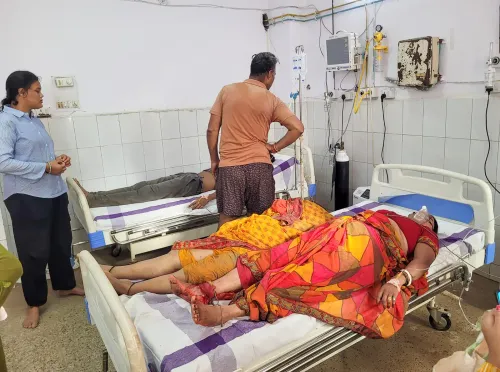
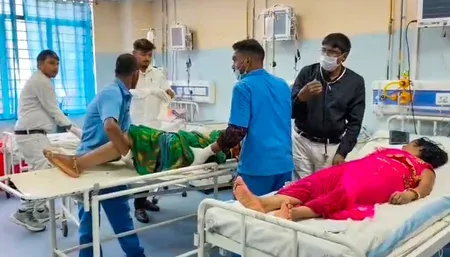
At least 7 people were killed and more than 12 injured in a stampede at Ashok Dham Temple , Lakhisarai, Bihar , on 17 August .
The incident occurred on the third Monday of Sawan , when thousands had gathered for Jalabhishek rituals.
District Magistrate Shailendra Kumar said the arrival of two trains at 6.30–6.45 am caused an unprecedented crowd surge, collapsing a barricade.
A reportedly fallen electric wire triggered panic; rumours spread rapidly, causing the stampede.
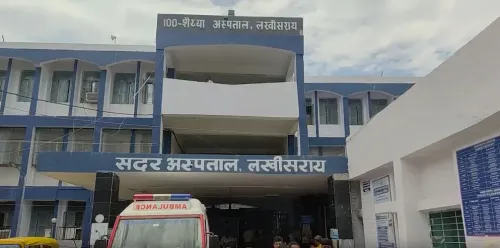
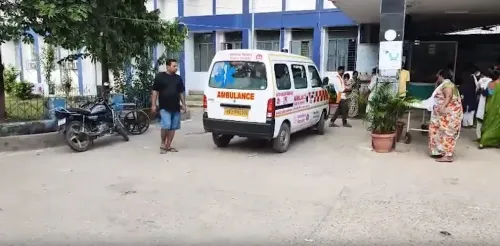
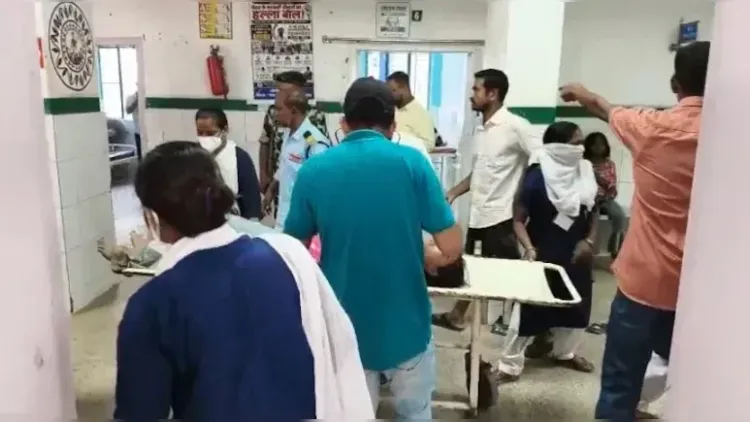
Police, district officials, and DM Shailendra Kumar reached the site; injured were transported to nearby hospitals.
A formal inquiry into crowd-management failures is expected.
At least seven people were killed and more than 12 others injured in a stampede outside the Ashok Dham Temple in Lakhisarai district, Bihar, on Monday, 17 August, as a massive congregation of devotees had gathered to mark the third Monday of the holy month of Sawan. The tragedy unfolded in the early morning hours when the crowd surged beyond manageable limits at one of the region's most revered Shiva shrines.
How the Stampede Unfolded
According to Lakhisarai District Magistrate Shailendra Kumar, an unprecedented influx of devotees — sharply intensified by the simultaneous arrival of two trains at around 6.30–6.45 am — caused a barricade outside the temple to collapse. The sudden surge left thousands of pilgrims packed into a dangerously compressed space.
A falling electric wire reportedly triggered the initial panic, after which rumours spread rapidly through the crowd. Devotees scrambled in multiple directions in a desperate attempt to flee, and a full stampede ensued. Several pilgrims were trapped and crushed beneath the surging mass of people before rescue efforts could begin.
Rescue and Administrative Response
Local residents and fellow devotees launched immediate rescue efforts even before authorities arrived. Police and district administration officials rushed to the site shortly after receiving word of the incident. Rescue operations were swiftly initiated, and the injured were transported to nearby hospitals for treatment.
District Magistrate Shailendra Kumar and other senior officials reached the temple premises to personally oversee crowd management and rescue coordination. Authorities were continuing to monitor the situation as of Monday morning.
Significance of the Ashok Dham Temple
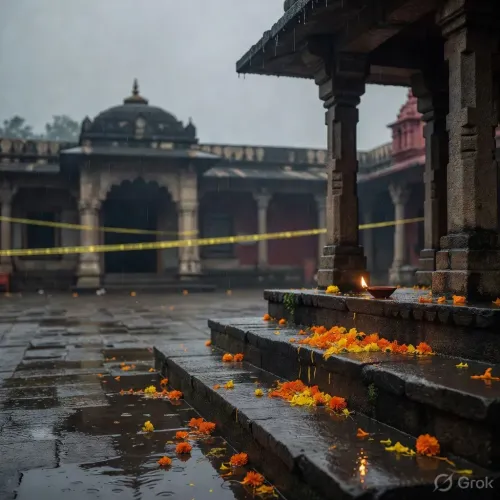
The Ashok Dham Temple, also known as the Shri Indradamaneshwar Mahadev Temple, houses a large Shivalinga and draws enormous crowds throughout the year, particularly during Sawan. On the third Monday of Sawan, thousands of devotees converge to perform Jalabhishek — the ritual pouring of water over the Shivalinga — as an act of devotion to Lord Shiva.
Why Sawan Mondays Draw Massive Crowds
The month of Sawan (Shravan), which typically falls between July and August, is regarded as one of the holiest periods in the Hindu calendar. Mondays during Sawan are considered especially auspicious for the worship of Lord Shiva, drawing pilgrims from across Bihar and neighbouring states. Fasting, prayer, and ritual bathing are widely observed, and the month also encompasses major festivals such as Raksha Bandhan and Janmashtami.
This is not the first time a Sawan congregation has turned fatal in India; large religious gatherings at temples with limited crowd infrastructure have historically posed serious safety challenges. The Lakhisarai tragedy is likely to renew calls for mandatory crowd-management protocols at pilgrimage sites during peak religious seasons.
What Comes Next
Authorities are expected to conduct a formal inquiry into the incident. The death toll and injury count may rise as rescue and medical operations continue. Questions are already being raised about crowd-control preparedness, barricade standards, and coordination with railway authorities given that train arrivals directly contributed to the surge.
Point of View
Predictable peak-season surges, and crowd infrastructure that cannot absorb the load. The detail that two train arrivals directly preceded the barricade collapse points to a systemic failure in coordination between railway scheduling and local administration — a gap that is well-documented but rarely fixed before the next disaster. With Sawan Mondays drawing comparable crowds at dozens of temples across north and east India every year, the question is not whether this was foreseeable, but why it was not prevented. Accountability must extend beyond a routine inquiry.
NationPress
1 Oct 2026
Frequently Asked Questions
What happened at Ashok Dham Temple in Lakhisarai?
At least seven people were killed and more than 12 injured in a stampede outside the Ashok Dham Temple in Lakhisarai, Bihar, on 17 August 2025. The tragedy struck during the third Monday of Sawan, when thousands of devotees had gathered for Jalabhishek rituals dedicated to Lord Shiva.
What caused the stampede at Lakhisarai's Ashok Dham Temple?
According to District Magistrate Shailendra Kumar, an extraordinary influx of pilgrims — worsened by two trains arriving simultaneously at around 6.30–6.45 am — caused a barricade outside the temple to collapse. A reportedly fallen electric wire then triggered panic, and rumours spread through the crowd, sparking the deadly stampede.
Who is overseeing rescue and relief operations?
Police and district administration officials, including District Magistrate Shailendra Kumar, reached the site shortly after the incident. Rescue operations were launched immediately, and injured devotees were transported to nearby hospitals. Authorities were continuing to monitor the situation as of Monday morning.
Why do Sawan Mondays draw such large crowds to temples?
Sawan (Shravan), falling between July and August, is considered one of the holiest months in the Hindu calendar, especially for devotees of Lord Shiva. Mondays during Sawan are regarded as particularly auspicious, drawing pilgrims from across states to perform rituals like Jalabhishek — pouring sacred water over the Shivalinga.
What is the Ashok Dham Temple in Lakhisarai?
The Ashok Dham Temple, formally known as the Shri Indradamaneshwar Mahadev Temple, is a prominent Shiva shrine in Lakhisarai district, Bihar, housing a large Shivalinga. It attracts especially large congregations during the month of Sawan and on significant Hindu festivals.