Bihar CMO: Samrat Choudhary orders 11 mega parks, food parks in all 38 districts
Synopsis
The Bihar Chief Minister's Office said CM Samrat Choudhary chaired a high-level Industry Department review at Sankalp Sabhagar and directed officials to develop 11 mega parks across the state and food parks in all 38 districts, signalling a fresh push to scale industrial and agro-processing infrastructure.
Key Takeaways
CM Samrat Choudhary chaired a high-level Industry Department review at Sankalp Sabhagar on 3 June 2026.
Directive issued to develop 11 mega parks across Bihar.
Food parks to be set up in all 38 districts of the state.
Move builds on Bihar's Industrial Investment Promotion Policy, 2016 and the Centre's Mega Food Parks scheme from 2008.
Focus areas include reducing post-harvest losses and attracting private investment.
Implementation hinges on land, clearances and central-state funding arrangements.
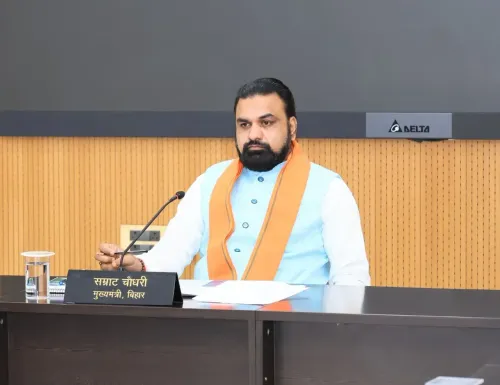
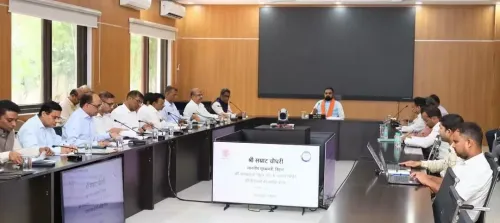
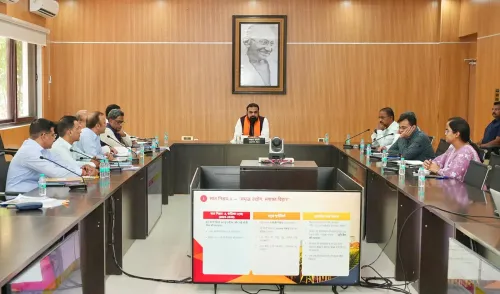
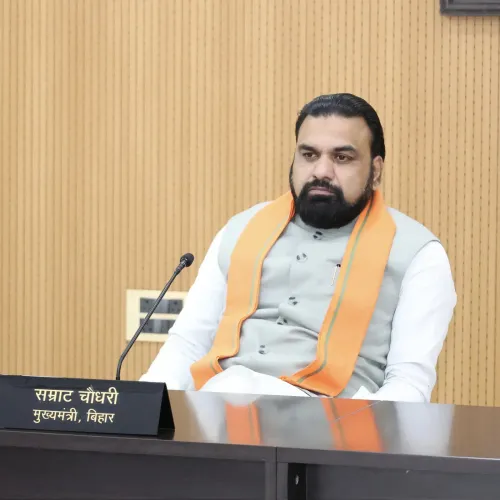
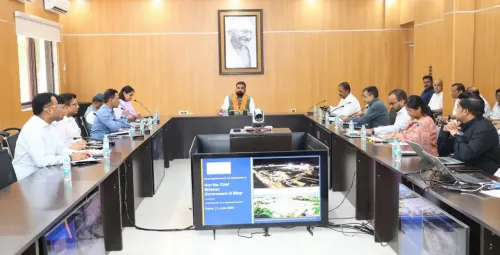
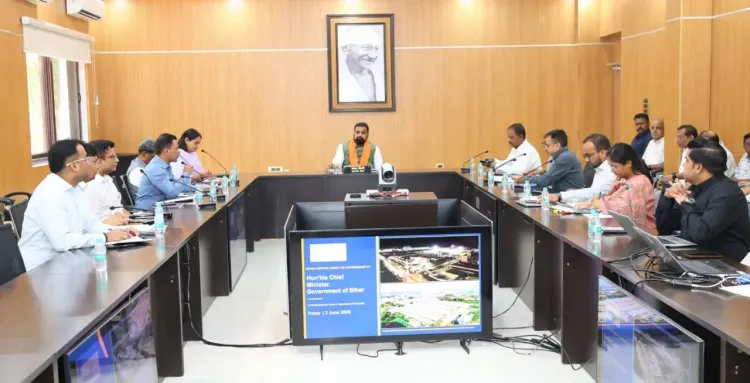
The Chief Minister's Office of Bihar on Wednesday, 3 June 2026, said Chief Minister Samrat Choudhary chaired a high-level review meeting of the state's Industry Department at the 'Sankalp Sabhagar' (Resolve Auditorium) inside the public servants' residence complex in Patna. During the review, the Chief Minister directed officials to develop 11 mega parks across the state and food parks in all 38 districts.
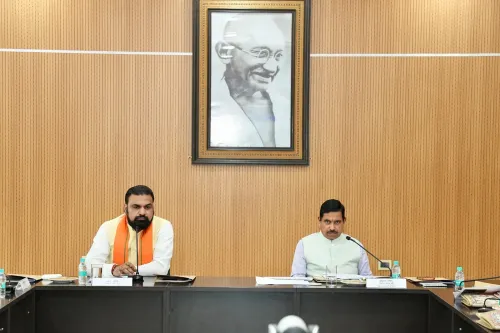
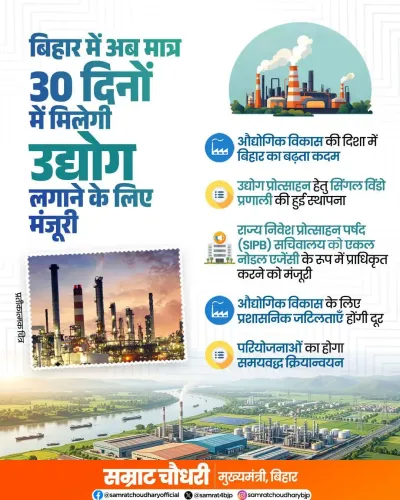
According to the post, the Chief Minister issued the directive after assessing the department's ongoing projects and pipeline. Translated from Hindi, the office said the meeting reviewed industrial development plans and that the Chief Minister 'directed the development of 11 mega parks in the state and food parks in all 38 districts'. Four images from the meeting accompanied the post.
Context
The announcement adds two layers to Bihar's industrial build-out: a small set of large, sector-anchored mega parks intended to host bigger investors, and a broad district-level network of food parks aimed at agro-processing closer to farm gates. Bihar's economy remains heavily agrarian, and successive administrations have argued that dedicated industrial land, plug-and-play utilities and common processing facilities are needed to attract private capital.
The Industry Department is the nodal agency for industrial estates through the Bihar Industrial Area Development Authority and runs investment promotion under the state's industrial policy framework. A directive from the Chief Minister's chair typically converts into time-bound action plans, with land identification and inter-departmental clearances forming the first stage.
Policy backdrop
The push sits within a longer arc. The Bihar Industrial Investment Promotion Policy, 2016 offered capital subsidies, interest subvention and stamp-duty concessions to industrial units, including those in food processing. At the central level, the Mega Food Parks scheme, launched by the Ministry of Food Processing Industries in 2008, provides grant support to create integrated infrastructure spanning collection centres, primary processing centres and central processing units.
Bihar has previously sought to anchor agro-processing around its strengths in maize, makhana, litchi, mango, banana and vegetables. Extending food parks to all 38 districts, as directed, would mark a shift from a few large hubs to a more distributed model intended to reduce post-harvest losses and shorten the distance between farm and factory.
Stakeholders and impact
The principal beneficiaries, if the parks materialise on schedule, would be three groups. Farmers stand to gain from nearby aggregation and processing capacity that can absorb perishable produce. Food processing units and small and medium enterprises gain ready land with shared cold-chain and effluent infrastructure. Larger industrial investors, who often cite land and utility delays as a deterrent, are the intended audience for the 11 mega parks.
Local employment is the political pay-off. District-level food parks are typically designed to generate direct jobs in processing lines and indirect work in logistics, packaging and warehousing. The scale of impact will depend on the size of each park, the anchor sectors chosen and the pace of tenant acquisition.
What's next
The immediate test will be operational. Site selection, land acquisition or pooling, environmental clearances and the funding mix between the state, the Centre and private developers will determine how quickly the 11 mega parks and 38 district food parks move from announcement to ground-breaking. The Industry Department is expected to translate the Chief Minister's instruction into a detailed implementation roadmap with district-wise timelines.
For Bihar, the directive signals continued political backing for industrial diversification ahead of the next budget cycle. If even a significant fraction of the announced footprint becomes operational, it would meaningfully expand the state's processing capacity and test whether dedicated infrastructure can convert into sustained private investment.
Point of View
Investor-facing parks with a wider district-level processing grid tied to agriculture. It is a politically resonant combination because it speaks simultaneously to big-ticket investment promotion and to rural employment. The real signal, however, will come from execution detail, anchor sector choices and the funding split with the Centre. Until then, the announcement is best read as a statement of intent layered on top of an existing, slow-moving build-out.
NationPress
24 Sept 2026
Frequently Asked Questions
What did Bihar CM Samrat Choudhary announce in the industry review?
Chief Minister Samrat Choudhary directed officials to develop 11 mega parks across Bihar and food parks in all 38 districts during a high-level review of the Industry Department at Sankalp Sabhagar.
How many food parks will be set up in Bihar?
Food parks will be developed in all 38 districts of Bihar, according to the directive issued by the Chief Minister's Office.
Where was the Bihar industry review meeting held?
The review meeting was held at 'Sankalp Sabhagar' inside the public servants' residence complex, and was chaired by Chief Minister Samrat Choudhary.
What is the Mega Food Parks scheme?
It is a central scheme launched by the Ministry of Food Processing Industries in 2008 to create integrated food processing infrastructure, including collection centres, primary processing centres and central processing units.
Why is Bihar focusing on food parks?
Food parks are intended to reduce post-harvest losses, support farmers by providing nearby aggregation and processing facilities, and create local employment in agro-processing and allied logistics.