Bihar to set up 100 fast-track courts for speedier criminal trials
Synopsis
Bihar CM Samrat Choudhary has announced 100 new Fast Track Courts to tackle the state's criminal case backlog — a move that follows a national conference on India's new criminal laws held in Bodh Gaya. The courts will hold day-to-day hearings on serious cases, with the government framing swift justice as a cornerstone of good governance.
Key Takeaways
Bihar CM Samrat Choudhary announced 100 new Fast Track Courts on 4 July to accelerate criminal trials across the state.
The courts will conduct day-to-day hearings on serious criminal cases and prioritise delivery of verdicts based on evidence and witness testimony.
The announcement followed a two-day national conference on new criminal laws held in Bodh Gaya .
Officials expect the courts to reduce case backlog and strengthen the deterrent effect of Bihar's criminal justice system.
A detailed implementation plan — covering court locations, staffing, and case categories — is yet to be released.
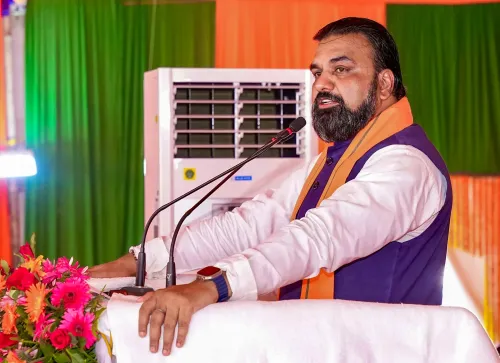
Bihar Chief Minister Samrat Choudhary on 4 July announced the establishment of 100 new Fast Track Courts across the state to accelerate the disposal of serious criminal cases and reduce the mounting backlog in Bihar's judicial system. The decision, shared by the Chief Minister via a social media post, forms part of a broader administrative roadmap aimed at strengthening law and order and ensuring timely justice for crime victims.
What the Fast Track Courts Will Do
The proposed courts will prioritise identified criminal cases and conduct hearings on a day-to-day basis wherever required, with verdicts to be delivered on the strength of evidence and witness testimony. Officials expect the dedicated courts to significantly cut the time between charge-filing and conviction, enhancing the deterrent effect of the criminal justice system.
The government noted that victims and their families frequently endure prolonged waits because of delays in ordinary court proceedings — a problem the fast-track model is specifically designed to address. According to officials, the process of setting up the 100 courts will begin soon, though a precise timeline has not yet been disclosed.
The Context: New Criminal Laws Conference
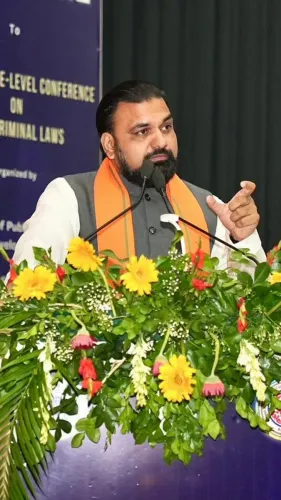
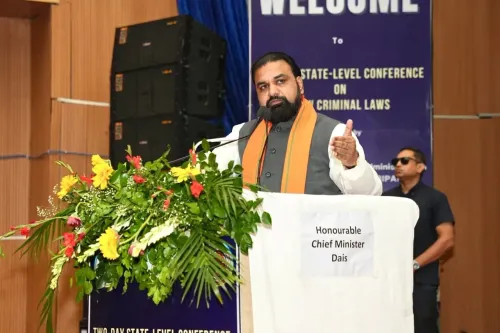
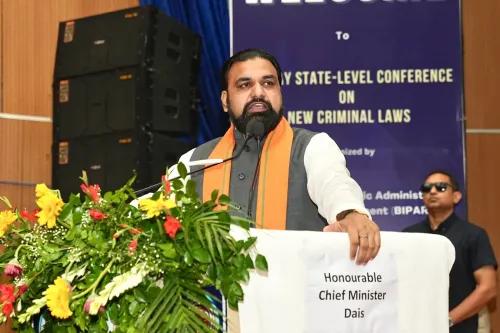
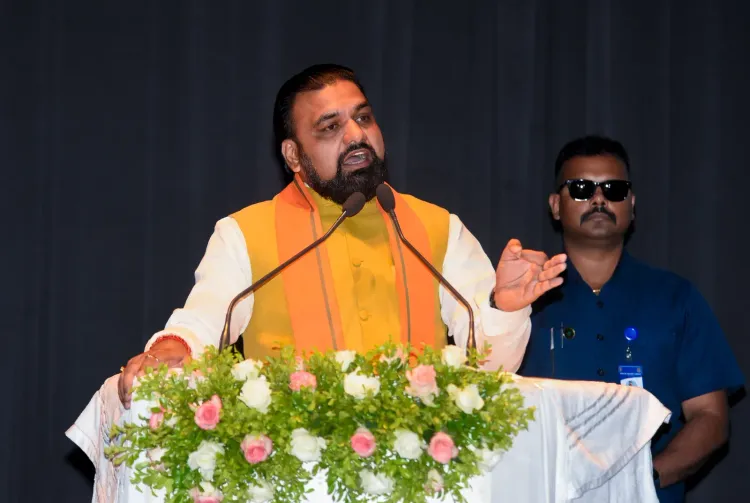
The announcement follows Chief Minister Choudhary's participation in a two-day national conference on India's new criminal laws, held in Bodh Gaya. The conference brought together judicial officers, police officials, and legal experts from across the country to deliberate on implementing the new criminal statutes and improving criminal justice administration nationwide.
Choudhary stated that the new criminal laws are intended to strengthen crime control, ensure timely justice, and improve enforcement — themes that directly inform the fast-track court initiative. He reiterated the state government's commitment to taking strict action against offenders and reinforcing the rule of law across Bihar.
Why It Matters for Bihar
Bihar has historically struggled with court pendency. India's lower judiciary carries millions of pending cases nationally, and state-level fast-track courts — first introduced under a Supreme Court-monitored scheme in 2000 — have shown mixed but broadly positive results in states that implemented them consistently. The current push aligns with the Centre's renewed emphasis on fast-track courts for heinous offences, particularly cases involving women and children.
Choudhary argued that a time-bound justice delivery system is essential for good governance and that the new courts would contribute to a more transparent and efficient judicial process in the state.
What Comes Next
The Bihar government is expected to release a detailed implementation plan, including court locations, staffing, and the categories of criminal cases to be prioritised. Industry observers and legal experts will watch closely to see whether the initiative is backed by adequate judicial appointments and infrastructure — factors that have stalled similar announcements in other states in the past.
Point of View
Something past state-level schemes have routinely failed to ensure. The absence of a disclosed timeline or budget figure in this announcement is a red flag worth watching. If the 100 courts are constituted without filling existing judicial vacancies first, they risk adding to administrative load rather than relieving it.
NationPress
3 Oct 2026
Frequently Asked Questions
What are the 100 Fast Track Courts announced by Bihar CM Samrat Choudhary?
They are 100 dedicated criminal courts announced by Chief Minister Samrat Choudhary on 4 July to expedite the hearing and disposal of serious criminal cases in Bihar. The courts will hold day-to-day hearings and prioritise cases where victims have faced prolonged delays.
Why is Bihar setting up fast-track courts?
Bihar is setting up the courts to reduce the backlog of pending criminal cases and ensure timely justice for victims. The government argues that delays in ordinary court proceedings harm victims and weaken the deterrent effect of the justice system.
When will the fast-track courts become operational?
Chief Minister Choudhary stated that the process of setting up the courts will begin soon, but a specific operational date or phased rollout schedule has not yet been announced. A detailed implementation plan is expected to follow.
What types of cases will the fast-track courts handle?
The courts are intended to prioritise identified serious criminal cases and conduct hearings on a day-to-day basis. Specific categories of offences to be covered have not yet been publicly detailed by the Bihar government.
How does this relate to India's new criminal laws?
The announcement followed a two-day national conference on India's new criminal laws held in Bodh Gaya, which Choudhary attended. He linked the fast-track court initiative to the broader goal of implementing the new statutes effectively and improving criminal justice administration across Bihar.