CM Nitish Kumar: Bihar's 2016 Prohibition a National Model
Synopsis
Chief Minister Nitish Kumar has reiterated that Bihar's 2016 complete alcohol prohibition set a national example, crediting the ban with positive change in the lives of women, children, and families across the state.
Key Takeaways
Bihar implemented complete alcohol prohibition in 2016 under the Bihar Prohibition and Excise Act .
CM Nitish Kumar described the policy as an exemplary model for the entire nation in the direction of a drug-free society.
The ban was explicitly framed around protecting women, children, and family welfare.
Bihar is among a small group of Indian states — alongside Gujarat and parts of the Northeast — to maintain full prohibition.
Enforcement effectiveness and potential legislative amendments remain areas to watch ahead of state assembly sessions.
Ten years on, Bihar's complete alcohol ban is still being held up as a benchmark — and the state's top office wants the country to take note. The Chief Minister's Office of Bihar on Sunday, 2 August 2026 quoted Chief Minister Nitish Kumar reaffirming that the 2016 prohibition has delivered real change for women, children, and families across the state.
In the post, CM Nitish Kumar stated: 'Bihar ne varsh 2016 mein poorn sharaabbandi laagu kar nashamukti ki disha mein poore desh ke samaksh ek anukarniya udaharan prastut kiya hai' — 'Bihar set an exemplary precedent for the entire nation by implementing complete prohibition in 2016, pointing the way towards a drug-free society.' He added that the decision has brought positive change to the lives of women, children, and families, and made the social environment more secure and empowered.
The 2016 ban and what it set out to do
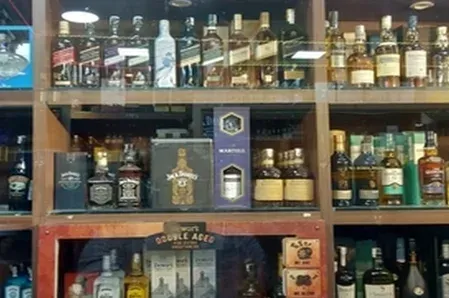
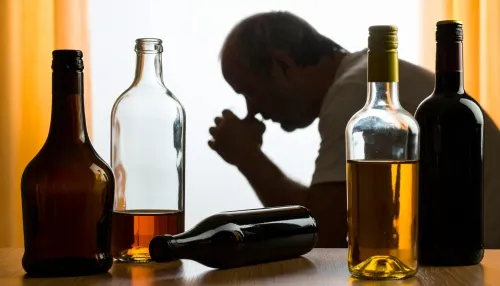
Under the Bihar Prohibition and Excise Act, 2016, the Nitish Kumar government imposed a statewide ban on the manufacture, sale, and consumption of alcohol — one of the most sweeping such measures in India in recent decades. The stated aim was direct: reduce domestic violence, protect family income, and make homes safer for women and children in a state where alcohol-linked social harms were widely documented.
Bihar joined a short list of Indian states — most notably Gujarat and parts of the Northeast — that maintain full prohibition. What distinguished Bihar's version was its explicit framing around women's safety and family welfare, giving it political and social resonance beyond the usual public-health argument.
Bihar's prohibition among India's stricter state-level bans
Most Indian states operate regulated liquor sales; Bihar's outright ban has made it an outlier and, in the state government's telling, a model. The policy has been consistently presented by the administration as evidence that social legislation can reshape community outcomes — a claim the government returns to regularly in public communication.
Enforcement and ground-level effectiveness have remained subjects of ongoing scrutiny, and any formal review or legislative amendment ahead of state assembly sessions will be worth watching closely.
A decade into the ban, Nitish Kumar's government is not just defending the policy — it is actively marketing it to the rest of India. Whether the country is listening is the real question.
Point of View
The Chief Minister is positioning a state often tagged for development deficits as a moral and legislative leader. The move reflects a broader pattern in Indian state politics where welfare-coded social legislation is used to consolidate support among women voters, a demographic that has grown increasingly decisive in Bihar. Whether the policy's enforcement record matches its political narrative remains the unresolved tension at its core.
NationPress
17 Sept 2026
Frequently Asked Questions
When did Bihar implement complete alcohol prohibition?
Bihar implemented complete alcohol prohibition in 2016 under the Bihar Prohibition and Excise Act passed by the Nitish Kumar government.
What is the Bihar Prohibition and Excise Act 2016?
The Bihar Prohibition and Excise Act, 2016 is a state law that bans the manufacture, sale, and consumption of alcohol across Bihar , one of the strictest such measures in India.
Which Indian states have complete alcohol prohibition?
Bihar , Gujarat , and parts of Northeast India are among the few Indian states that maintain complete alcohol prohibition. Bihar's ban is notable for its explicit focus on women's safety and family welfare.
What did CM Nitish Kumar say about Bihar's alcohol ban?
CM Nitish Kumar stated that Bihar's 2016 prohibition set an exemplary precedent for the entire nation, and that the decision has brought positive change to the lives of women, children, and families.
Has Bihar's alcohol ban been effective for women's safety?
The Bihar government has consistently presented the 2016 ban as having improved social safety for women and families. Independent verification of specific outcomes from the 2026 period is not yet available.