Bihar Prohibition Law Non-Negotiable: Dy CM Vijay Choudhary's Strong Stand
Synopsis
Bihar Deputy CM Vijay Choudhary declared the state's liquor prohibition law untouchable during the Assembly trust vote, while exposing a sharp contradiction: Opposition leader Tejashwi Yadav was Bihar's Deputy CM when the same ban was enacted. The debate signals prohibition will dominate Bihar's political battleground ahead of 2025 elections.
Key Takeaways
Bihar Deputy CM Vijay Kumar Choudhary declared on April 24, 2025 that the state's liquor prohibition law is permanent and will be enforced more strictly.
Choudhary defended Samrat Choudhary's leadership as a continuation of 20 years of NDA governance in Bihar, framing it as a second-generation leadership transition.
He exposed a political contradiction by noting that Tejashwi Yadav was Bihar's Deputy CM when the prohibition law was enacted in 2016 and did not oppose it.
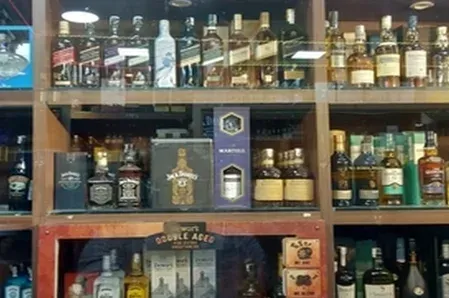
The Bihar NDA government frames prohibition as a social reform measure , while the opposition questions its implementation, citing hooch tragedies and economic losses to the state exchequer.
Bihar is one of the few Indian states with near-total prohibition, alongside Gujarat, Manipur, and Nagaland .
The trust vote outcome and the prohibition debate are expected to shape the political narrative heading into the 2025 Bihar Assembly elections .
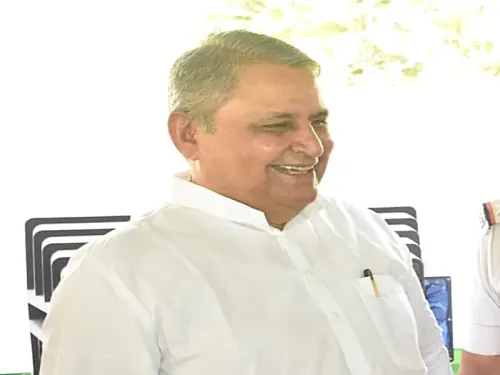
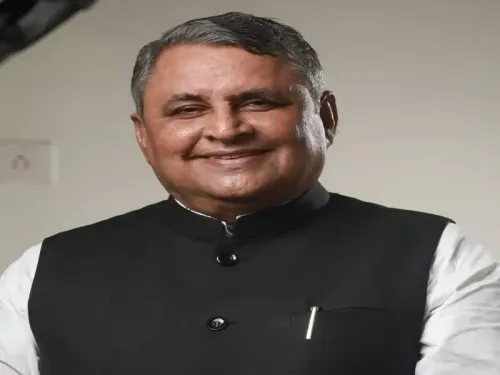
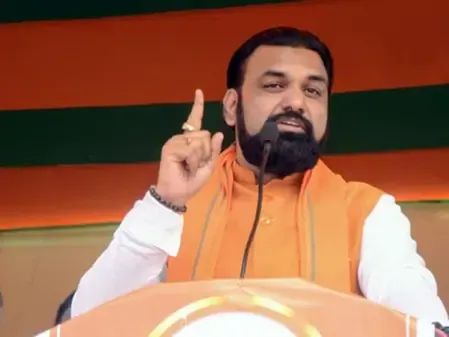
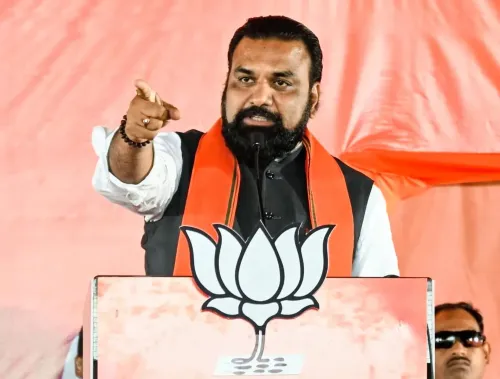
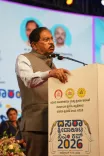
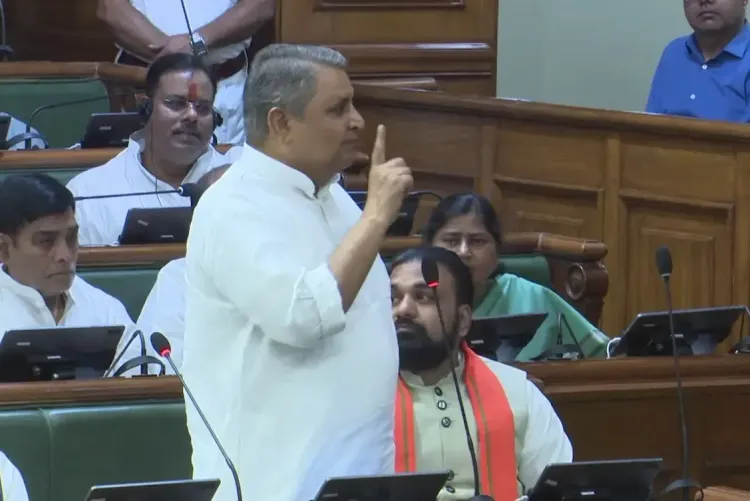
Patna, April 24 — Bihar Deputy Chief Minister Vijay Kumar Choudhary delivered one of the most forceful defences of the state's liquor prohibition policy during the Bihar Legislative Assembly confidence vote debate, declaring unequivocally that the ban on alcohol is permanent, non-negotiable, and will be enforced with even greater rigour going forward. His speech also served as a robust endorsement of Samrat Choudhary's leadership as the ruling National Democratic Alliance (NDA) consolidated its position in the House.
Vijay Choudhary's Central Message: Prohibition Is Here to Stay
Vijay Kumar Choudhary left no room for ambiguity — the Bihar prohibition law, originally introduced under former Chief Minister Nitish Kumar, will not be rolled back, diluted, or softened under any political pressure. He stated that the law's enforcement is actively producing results, pointing to the ongoing arrests and prosecution of violators as evidence of its operational success.
He reframed the debate entirely, arguing that prohibition is not merely a legal instrument but a social reform initiative with far-reaching consequences for Bihar's families, women, and working-class communities. In his view, the reduction in domestic violence, improved household savings, and better public health outcomes in dry districts validate the policy's continuation.
Critics in the opposition have long argued that the ban has spawned a thriving black market for illicit liquor, leading to periodic hooch tragedy deaths across the state. However, Choudhary countered that active enforcement — not policy failure — is what the data reflects.
NDA's Political Continuity and the Samrat Choudhary Leadership
Vijay Choudhary used the trust vote platform to draw a direct line between the NDA's post-2020 political maturity and its current formation. He recalled how the Bharatiya Janata Party (BJP), despite winning a numerically stronger mandate in the 2020 Bihar Assembly elections, chose to back Nitish Kumar as Chief Minister — a decision he cited as proof of the alliance's commitment to collective stability over individual ambition.
He argued that Samrat Choudhary's leadership today represents a natural evolution of that same tradition — a second generation of NDA leaders now steering Bihar after more than 20 years of uninterrupted NDA governance. This framing was clearly aimed at projecting continuity and institutional strength to both the House and the electorate.
Sharp Attack on Tejashwi Yadav Over Prohibition Contradiction
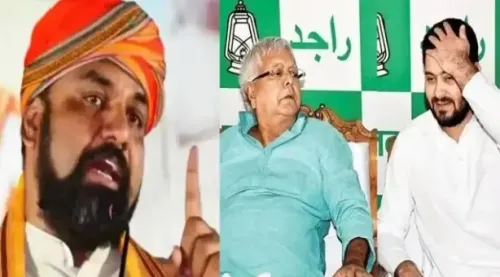
The most politically charged moment of Vijay Choudhary's speech came when he turned his attention to Leader of Opposition Tejashwi Yadav. He pointedly reminded the House that when Bihar's prohibition law was enacted in 2016, Tejashwi Yadav was himself serving as Bihar's Deputy Chief Minister under the Mahagathbandhan government — a government that did not repeal or challenge the ban.
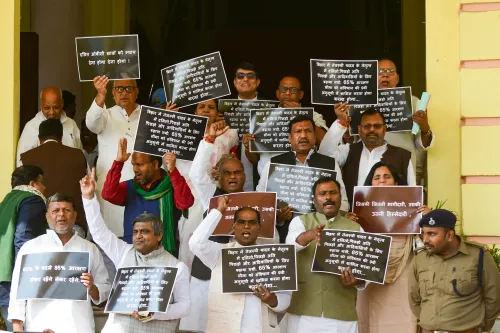
His remark — that Tejashwi's current criticism of the prohibition policy contradicts his own political record — triggered visible tension on the floor of the Assembly and drew sharp reactions from the opposition benches. The comment was widely seen as an attempt to expose what the ruling coalition characterises as opportunistic politics from the Rashtriya Janata Dal (RJD).
Notably, Bihar has witnessed several hooch tragedy incidents since the prohibition law came into force, including the Saran district hooch deaths in December 2022 that claimed over 70 lives, which had significantly intensified opposition pressure on the government. The ruling alliance has consistently maintained that such tragedies underscore the need for stricter enforcement rather than repeal.
Prohibition as a Political and Electoral Fault Line
The Bihar liquor ban has remained one of the most divisive policy debates in the state since its introduction. While the NDA frames it as a landmark social welfare measure — particularly benefiting women voters who have largely backed the policy — the opposition points to enforcement failures, economic losses to the state exchequer estimated at thousands of crores annually, and the rise of organised bootlegging networks.
From a comparative lens, Bihar remains one of the few major Indian states with a near-total prohibition regime, alongside Gujarat and parts of Manipur and Nagaland. The policy debate in Bihar closely mirrors the long-running prohibition discourse in Gujarat, where enforcement gaps and liquor-related deaths have similarly persisted despite the ban.
The 2025 Bihar Assembly elections are now on the political horizon, and the prohibition law's political salience is expected to only intensify as both the NDA and the opposition sharpen their respective narratives around governance, social reform, and ground-level implementation.
What Happens Next
With the Bihar NDA government having survived the confidence vote, Samrat Choudhary's administration is now expected to announce a fresh crackdown on illicit liquor networks as a direct follow-through on Vijay Choudhary's parliamentary commitment. Observers will closely watch whether stricter enforcement translates into measurable outcomes or whether the structural challenges of prohibition in a large, porous state like Bihar continue to undermine the policy's stated goals.
The trust vote outcome also sets the stage for the NDA's electoral consolidation ahead of the 2025 Bihar polls, with the prohibition debate likely to remain a central battleground between the ruling alliance and the Tejashwi Yadav-led opposition.
Point of View
The NDA has effectively neutralised the opposition's most potent attack line. But the deeper irony is harder to ignore: a policy celebrated as social reform has also presided over multiple mass hooch tragedies, raising uncomfortable questions about whether strict enforcement rhetoric has ever translated into ground reality. Bihar's prohibition debate is ultimately a proxy war over women voters, rural welfare optics, and electoral arithmetic — and with 2025 approaching, both sides know the stakes have never been higher.
NationPress
13 Oct 2026
Frequently Asked Questions
Will Bihar's prohibition law be repealed in 2025?
No. Bihar Deputy Chief Minister Vijay Kumar Choudhary categorically stated during the April 24 trust vote debate that the liquor prohibition law will not be repealed or diluted. He confirmed it will instead be enforced more strictly going forward.
When was Bihar's liquor prohibition law introduced?
Bihar's total liquor prohibition law was introduced in April 2016 under then Chief Minister Nitish Kumar. The Mahagathbandhan government, which included Tejashwi Yadav as Deputy CM, was in power when the law was enacted.
What did Vijay Choudhary say about Tejashwi Yadav during the trust vote?
Vijay Choudhary pointed out that Tejashwi Yadav was Bihar's Deputy Chief Minister when the prohibition law was passed and did not oppose it then. He argued that Tejashwi's current criticism of the ban reflects political inconsistency.
What is the significance of the Bihar Assembly trust vote in April 2025?
The Bihar Assembly trust vote was held to confirm the NDA government's majority under Chief Minister Samrat Choudhary. The ruling coalition used the debate to reaffirm key policies including the liquor prohibition law and project political stability ahead of the 2025 Bihar elections.
How effective has Bihar's prohibition law been?
The Bihar government claims the prohibition law is effective, citing active arrests and prosecutions of violators. However, critics point to recurring hooch tragedy deaths — including over 70 deaths in Saran district in December 2022 — as evidence of enforcement failures and a thriving black market.