Bihar Government Enforces Ban on Private Practice for State Doctors
Synopsis
In a groundbreaking move, Bihar's government has declared a total ban on private practice for state-employed doctors. This decision, aimed at revitalizing public healthcare, has ignited intense debate among medical professionals and could reshape the future of healthcare in Bihar.
Key Takeaways
Bihar's Health Department has banned private practice for government doctors.
The decision is part of the Saat Nishchay-2 initiative to strengthen public healthcare.
Doctors will receive compensation via a Non-Practicing Allowance (NPA).
The ban applies to all government-employed doctors, including specialists.
Medical professionals express concerns about potential morale and staffing challenges.
Patna, April 11 (NationPress) In the midst of the shifting political landscape in Bihar regarding leadership changes and Nitish Kumar's anticipated transition to the Rajya Sabha, the state government has implemented a significant policy that has raised alarms among numerous government doctors.
In a bold action, the Bihar Health Department has released a directive that entirely prohibits government doctors from engaging in private practice.
This decision is perceived as a robust administrative measure intended to overhaul the state's public healthcare framework.
The official decree states that physicians in government service will no longer be allowed to operate private clinics or participate in private practice while fulfilling their public responsibilities.
This action aligns with the government's Saat Nishchay-2 initiative, which seeks to enhance public services, particularly in the healthcare sector.
Officials note that the decision arises from persistent issues regarding the inadequate state of government hospitals, accusations of doctors not being present, and grievances about patients being redirected to private establishments.
By instituting a clear separation between public obligations and private practice, the government aims to guarantee better access to healthcare professionals and enhanced patient treatment in public facilities.
To mitigate the financial repercussions, the government has declared that doctors will receive a Non-Practicing Allowance (NPA) as compensation for forgoing private practice.
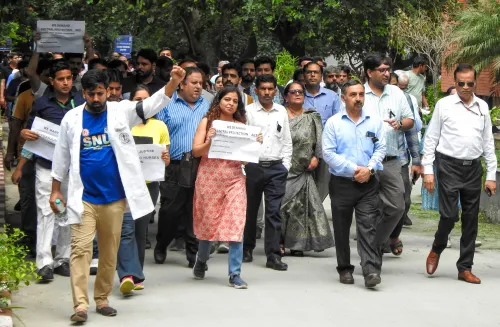
Nevertheless, this move has provoked notable backlash within the medical community.
A number of doctors contend that this decision may undermine morale, lead to staffing shortages, and inadvertently burden the overall healthcare system.
Despite the opposition, the government's position remains steadfast—public employees receiving salaries from the state treasury will not be allowed to conduct private practices concurrently.
The Bihar Health Department has made it clear that the ban is not restricted to doctors at the district level.
It will also encompass those in the Bihar Medical Education Service cadre, including senior professors and faculty members at government medical colleges.
Importantly, the order includes specialist doctors at leading institutions, such as the Indira Gandhi Institute of Cardiology (IGIC).
Under the newly established guidelines, none of these medical professionals will be permitted to provide services at private nursing homes or clinics.
Released just days before the anticipated inauguration of the new government on April 15, this directive has swiftly become a focal point of debate within the state's healthcare administration and among the medical community.
Point of View
The ban on private practice by government doctors in Bihar represents a significant shift aimed at addressing long-standing issues within the public healthcare system. While the intention behind the move is to ensure better patient care, it raises concerns about potential staffing challenges and morale among healthcare professionals.
NationPress
19 Sept 2026
Frequently Asked Questions
Why has the Bihar government banned private practice for state doctors?
The ban aims to improve public healthcare by ensuring government doctors focus solely on their public duties and addressing issues like absenteeism and patient redirection to private clinics.
Will all government doctors be affected by this ban?
Yes, the ban applies to all government doctors, including those in medical colleges and specialists at premier institutions like the Indira Gandhi Institute of Cardiology.
How will the ban impact doctors financially?
To compensate for the loss of income from private practice, doctors will receive a Non-Practicing Allowance (NPA) from the government.
What is the Saat Nishchay-2 initiative?
The Saat Nishchay-2 initiative is a government program aimed at enhancing public services, including healthcare, in Bihar.
What has been the response from the medical community regarding the ban?
The ban has sparked significant concern among doctors, with many arguing it could lead to decreased morale and staffing issues within the healthcare system.