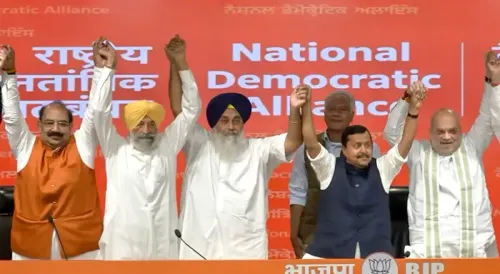
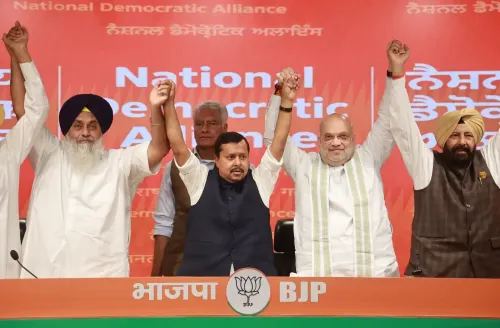
Punjab BJP-Akali alliance reunites for 2027 poll test
Synopsis
The BJP and Akali Dal are reuniting for Punjab's 2027 election after winning just five Assembly seats between them in 2022. Their old alliance once held a commanding majority, but its decline began before the parties split over farm laws in 2020.
Key Takeaways
The BJP and Shiromani Akali Dal have reunited ahead of the 2027 Punjab Assembly election .
The parties ended their earlier partnership in 2020 amid protests against three farm laws.
In 2012 , the SAD and BJP won 68 seats together and retained power.
Contesting separately in 2022 , the SAD won three seats and the BJP two , while the AAP won 92 .
In the 2024 Lok Sabha election, Harsimrat Kaur Badal won Bathinda for the SAD; the BJP won no seat in Punjab .
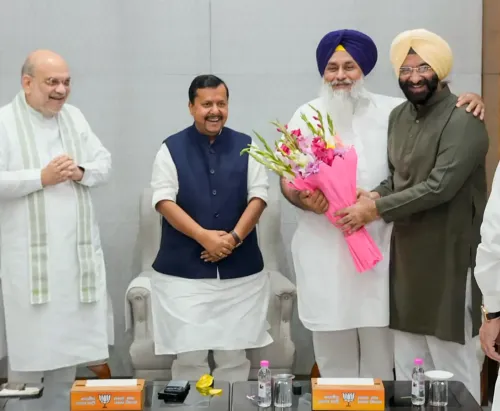
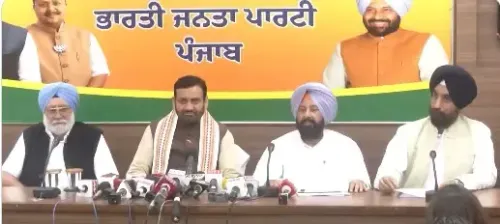
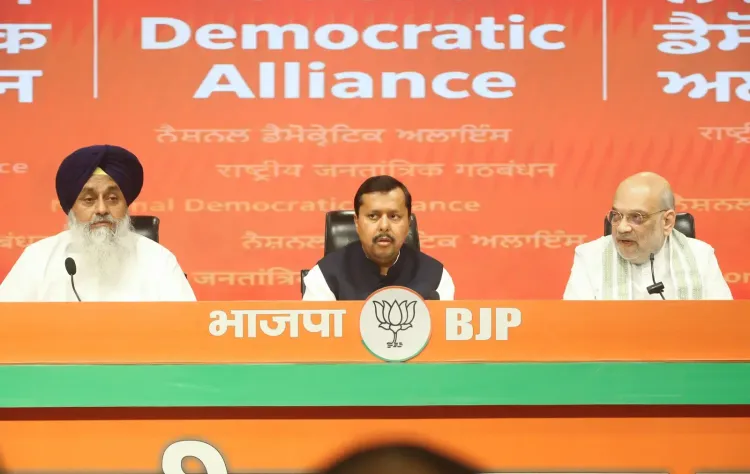
The Punjab BJP-Akali alliance has reunited ahead of the 2027 Assembly election, bringing the Shiromani Akali Dal (SAD) and the Bharatiya Janata Party (BJP) back together after their split over farm laws in 2020. The renewed partnership faces a changed electoral landscape after both parties suffered heavy losses while contesting separately.
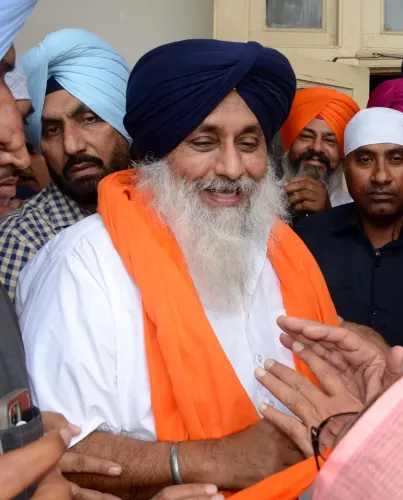
The reunion also raises questions about the political future of former Deputy Chief Minister Sukhbir Singh Badal, who led the SAD for more than 15 years but has never been chief minister. His father, Parkash Singh Badal, held the state's top office several times between 1970 and 2017.
From electoral dominance to a 2017 setback
The parties' earlier partnership ran from 1996 to 2020 and combined constituencies in which each had particular strength: the SAD mobilised rural Sikh voters, while the BJP consolidated urban Hindu support.
In the 1997 Assembly election, the SAD won 75 seats and the BJP 18 in the 117-member House. After losing in 2002, the alliance returned to power in 2007, when the parties won 48 and 19 seats, respectively.
The coalition retained power in 2012, becoming the first government to win consecutive terms after Punjab was reorganised in 1966. The SAD won 56 seats and the BJP 12, giving them 68 together even though the Indian National Congress (Congress) secured a larger statewide vote share.
That advantage narrowed sharply after a decade in office. In 2017, the SAD fell to 15 seats and the BJP to three, while the Congress won 77 and formed the government.
Farm laws and the 2020 split
The alliance's decline had begun before the parties separated. Their break came in 2020, after the introduction of three farm laws prompted widespread protests, particularly in northern India.
Facing pressure from farmers and its rural support base, the SAD distanced itself from the legislation and left the National Democratic Alliance (NDA), ending its partnership with the BJP. The split meant the parties entered the next Assembly contest without their longstanding electoral arrangement.
Separate contests changed the landscape
The Aam Aadmi Party (AAP), which had emerged as a significant force in the state, swept the 2022 Assembly election with 92 seats. Contesting separately, the SAD won three and the BJP two.
The parties also struggled in subsequent parliamentary contests. In the 2024 Lok Sabha election, the SAD won only Bathinda, through Harsimrat Kaur Badal, while the BJP did not win a seat in the state.
That contrasted with their earlier parliamentary performance. In 2014, the SAD won four of the 10 seats it contested, and the BJP won two of its allocated three; by 2019, the NDA tally in Punjab had fallen to four of the state's 13 Lok Sabha seats.
The 2027 test for the reunited allies
Political observers have pointed to the former alliance's ability to bring rural Sikh and urban Hindu voters into a broad coalition. Neither party has recreated that combination on its own since the split, according to the account of their recent electoral performance.
For Sukhbir Singh Badal, a former deputy chief minister who has also been elected to the Lok Sabha four times, the reunion renews attention on whether he could eventually lead the state government. The available information does not establish a chief ministerial candidate or a seat-sharing arrangement.
The immediate test will be whether the reunited parties can rebuild support ahead of the 2027 vote in a state where the AAP demonstrated its reach in 2022.
Point of View
But it does not automatically restore the coalition that once sustained it. The alliance's decline began in 2017, before the farm-law dispute ended the partnership, so the parties must address more than the split itself. Their challenge is to rebuild trust across constituencies while explaining how they will respond to the political landscape that produced the AAP's 2022 landslide.
NationPress
24 Nov 2026
Frequently Asked Questions
Why have the BJP and Akali Dal reunited in Punjab?
The parties have reunited ahead of the 2027 Punjab Assembly election after struggling electorally while contesting separately. Their former alliance combined SAD strength among rural Sikh voters with BJP support among urban Hindu voters.
Why did the SAD and BJP split in 2020?
The SAD left the BJP-led National Democratic Alliance in 2020 amid protests over three farm laws. The party faced pressure from farmers and its rural support base.
How did the SAD and BJP perform in the 2022 Punjab election?
The SAD won three seats and the BJP won two after contesting separately. The Aam Aadmi Party won 92 seats.
Is Sukhbir Singh Badal the alliance's chief ministerial candidate?
The available information does not establish a chief ministerial candidate for the reunited alliance. Sukhbir Singh Badal has served twice as deputy chief minister but has not been chief minister.
When did the SAD-BJP alliance last retain power in Punjab?
The alliance retained power in the 2012 Assembly election, winning 68 seats combined. It was the first government to win consecutive terms after Punjab's reorganisation in 1966.