Karnataka BJP flags SIR electoral roll lapses, submits memorandum to CEO
Synopsis
Karnataka BJP has formally escalated concerns over the ongoing Special Intensive Revision of electoral rolls, alleging that mandatory door-to-door verification is being replaced by camp-based checks, BLOs are being sidelined, and a parallel ward-level revision in Bengaluru is sowing confusion — demands that strike at the credibility of the voter register ahead of local body polls.
Key Takeaways
Karnataka BJP submitted a memorandum to the Chief Electoral Officer of Karnataka on 4 July over alleged irregularities in the Special Intensive Revision (SIR) of electoral rolls.
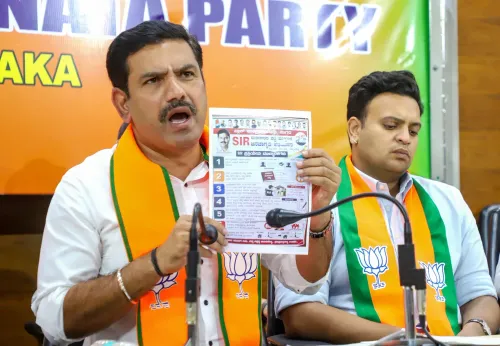
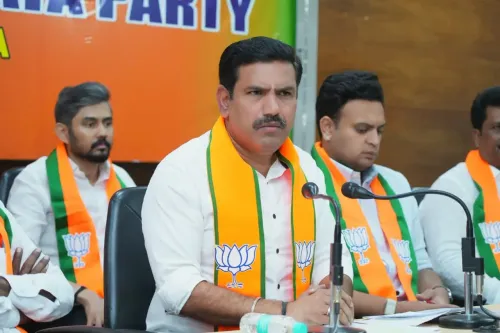
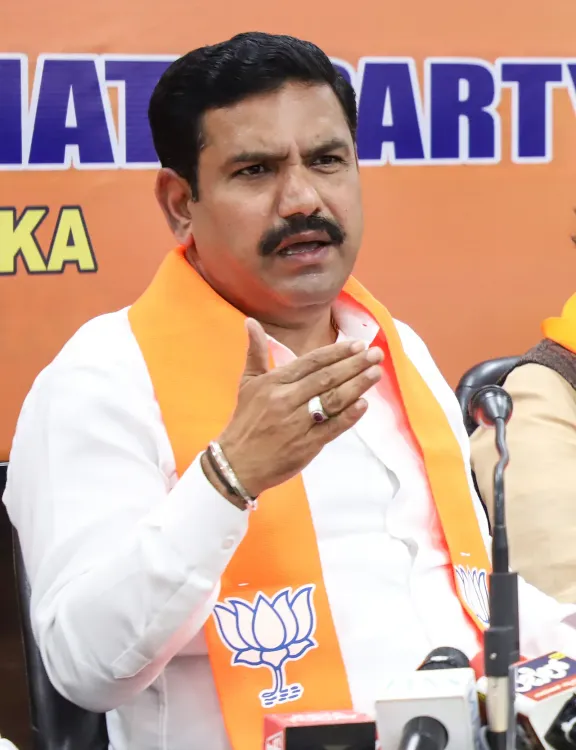
The memorandum was submitted by BJP President B.Y.
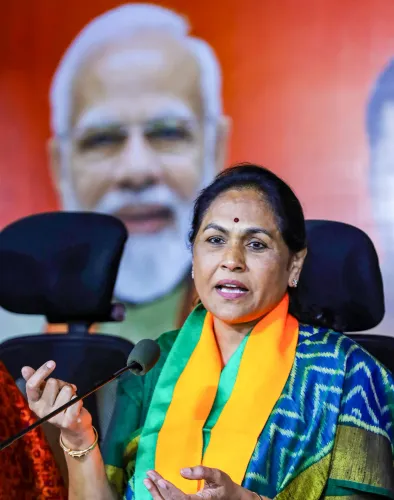
Vijayendra and senior MLA S.
Suresh Kumar , among others.
The party alleged mandatory house-to-house verification is being replaced by centralised camps in community halls, mosques, and MLA offices.
A parallel revision covering 27 wards under the Greater Bengaluru Authority (GBA) is reportedly causing confusion among BLOs and field officials.
The BJP cited Article 324 of the Constitution and the Representation of the People Act, 1950 , demanding an independent inquiry and deployment of observers.
Photographic and video evidence from Yeshwanthpur and K.R.
Puram constituencies was enclosed with the memorandum.
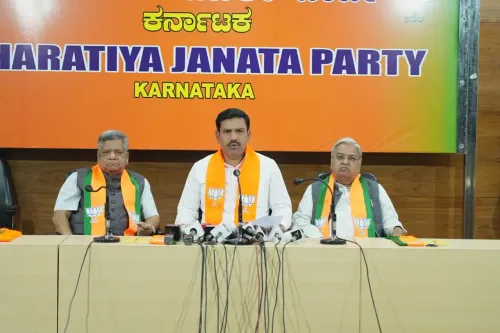
The Karnataka Bharatiya Janata Party (BJP) on Saturday, 4 July submitted a formal memorandum to the Chief Electoral Officer (CEO) of Karnataka, alleging serious procedural irregularities in the ongoing Special Intensive Revision (SIR) of electoral rolls and demanding immediate intervention by the Election Commission of India (ECI) to protect the integrity of the voter verification exercise.
Who Submitted the Memorandum
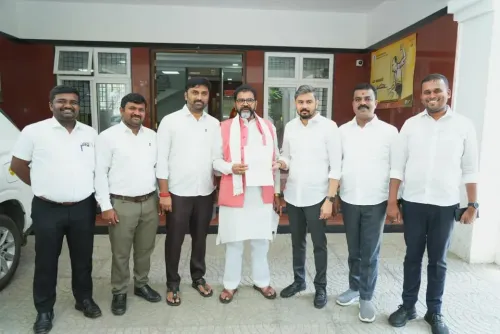
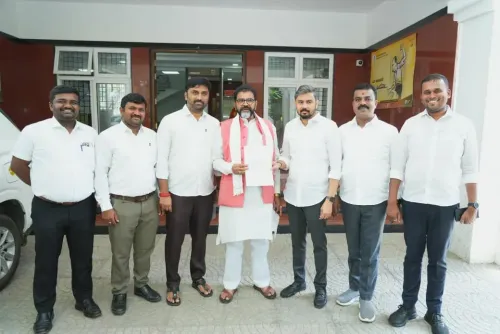
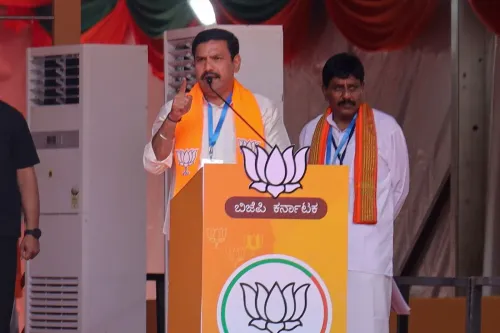
The memorandum was submitted by Karnataka BJP President B.Y. Vijayendra, senior MLA S. Suresh Kumar, and other senior party leaders. The submission marks a formal escalation of the party's concerns over what it describes as systemic deviations from the ECI's prescribed procedures.
Key Allegations Against the SIR Process
The BJP alleged that the SIR exercise across Karnataka has witnessed severe procedural deviations, raising concerns among elected representatives, Booth Level Officers (BLOs), party workers, and members of the public over the transparency, consistency, and credibility of the revision process.
A central complaint concerns the simultaneous running of the statewide SIR alongside a parallel electoral revision process covering 27 wards under the Greater Bengaluru Authority (GBA). According to the memorandum, this dual exercise has created confusion among electors, BLOs, political representatives, and field officials regarding the applicable verification methodology and the authority responsible for implementation.
The party further alleged that the ECI's mandatory house-to-house verification process was being diluted in several locations through centralised camps held in community halls and other public venues. The BJP argued that such camp-based verification defeats the purpose of an intensive revision, as it prevents proper confirmation of an elector's ordinary place of residence — increasing the risk of erroneous inclusions and omissions in the rolls.
The memorandum also alleged that BLOs were being sidelined and denied the opportunity to discharge their statutory responsibilities independently, with state administrative machinery reportedly adopting procedures that undermine the sanctity of the SIR exercise.
Specific Locations Cited
The BJP claimed that in several locations the SIR process was being conducted in mosques, community centres, Kalyana Mandapas, and at the offices and residences of MLAs, rather than at designated locations. The memorandum stated that details of alleged irregularities in the Yeshwanthpur and K.R. Puram Assembly constituencies in Bengaluru, along with supporting photographs and video evidence, were enclosed for verification and necessary action.
Constitutional Grounds and Demands
Citing Article 324 of the Constitution, the BJP argued that the ECI has a constitutional obligation to ensure that electoral roll revision remains transparent, impartial, verifiable, equitable, and free from executive interference. The party also raised concerns about the potential enrolment of ineligible persons — including, it alleged, illegal immigrants and non-citizens — in violation of the Representation of the People Act, 1950.
Among its key demands, the BJP urged the ECI to institute an immediate inquiry into the SIR's implementation across Karnataka, ascertain whether mandatory house-to-house verification by BLOs was being replaced by camp-based verification, and ensure no ineligible individual is entered in the electoral rolls. The party also sought the deployment of independent observers and binding directions to all electoral authorities to strictly follow the ECI's prescribed procedures.
What Happens Next
The CEO's office is yet to formally respond to the memorandum. The BJP has called for corrective action before the revision exercise concludes, warning that any large-scale deviation from prescribed procedures warrants immediate examination. The outcome of this complaint could have implications for the credibility of voter rolls ahead of upcoming local body elections in Bengaluru.
Point of View
And any question mark over the voter roll's integrity becomes a political lever. What the complaint does surface, however, is a genuine structural tension in India's electoral revision exercises: the shift from door-to-door BLO verification to centralised camps is not unique to Karnataka and has drawn scrutiny in other states too. The ECI's silence or response will be closely watched — a perfunctory acknowledgement risks emboldening the narrative that the revision process lacks rigour, while a substantive inquiry would set a precedent for greater procedural accountability. The allegation of potential enrolment of illegal immigrants is the most politically charged claim and, notably, the one with the least documented evidence in the memorandum itself.
NationPress
4 Jul 2026
Frequently Asked Questions
What is the Special Intensive Revision (SIR) of electoral rolls in Karnataka?
The Special Intensive Revision (SIR) is a periodic exercise mandated by the Election Commission of India to update and clean electoral rolls through door-to-door verification by Booth Level Officers (BLOs). It is designed to identify and remove duplicate entries, deceased persons, and individuals who have permanently shifted residence, while enrolling eligible new voters.
What specific irregularities has the Karnataka BJP alleged?
The BJP has alleged that mandatory house-to-house verification is being replaced by centralised camps in community halls, mosques, and MLA offices; that BLOs are being sidelined from their statutory roles; and that a parallel revision covering 27 wards under the Greater Bengaluru Authority is creating confusion. The party submitted photographic and video evidence from the Yeshwanthpur and K.R. Puram Assembly constituencies.
Why does the BJP consider camp-based verification problematic?
According to the BJP, camp-based verification cannot confirm an elector's ordinary place of residence — the core purpose of an intensive revision. The party argues this increases the risk of erroneous inclusions and omissions, potentially allowing ineligible persons to be enrolled while eligible voters may be missed.
What has the BJP demanded from the Election Commission of India?
The BJP has demanded an immediate inquiry into the SIR's implementation across Karnataka, binding directions to follow prescribed procedures, deployment of independent observers, and confirmation that no ineligible individual — including alleged illegal migrants — has been entered in the electoral rolls.
What is the significance of the Greater Bengaluru Authority ward revision running simultaneously?
The parallel revision covering 27 GBA wards is running alongside the statewide SIR, reportedly creating confusion among electors, BLOs, and field officials about which verification methodology applies and which authority is responsible. The BJP has urged the CEO to ensure only one uniform process is followed across Karnataka.