Karnataka SIR row: MoS Shobha Karandlaje writes to ECI over electoral roll 'dilution'
Synopsis
A Union Minister has formally escalated Karnataka's electoral roll revision controversy to the Election Commission, alleging that mandatory door-to-door verification is being replaced by camp-based distribution — raising the spectre of ineligible voters being enrolled. With Article 324 invoked and independent observers demanded, the SIR process has become a full-blown Centre-state flashpoint.
Key Takeaways
MoS Shobha Karandlaje wrote to the Chief Election Commissioner on Friday, 4 July 2025 , over the alleged dilution of Karnataka's Special Intensive Revision (SIR) of electoral rolls.
She alleged that mandatory house-to-house verification by Booth Level Officers is being replaced by camp-based distribution of Enumeration Forms at community halls .
Karandlaje demanded an immediate inquiry, strict adherence to prescribed procedures, and deployment of independent observers across Karnataka.
She warned that bypassing door-to-door checks risks inclusion of illegal immigrants and ineligible persons in electoral rolls under the Representation of the People Act, 1950 .
The Union Minister cited Article 324 of the Constitution, urging the ECI to insulate the revision process from executive influence.
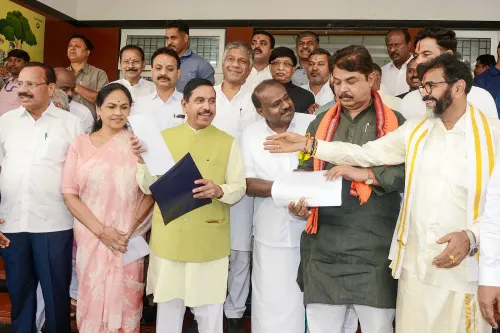
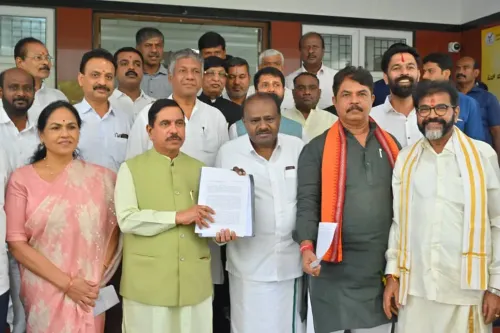
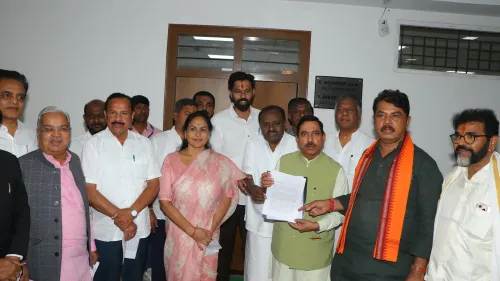
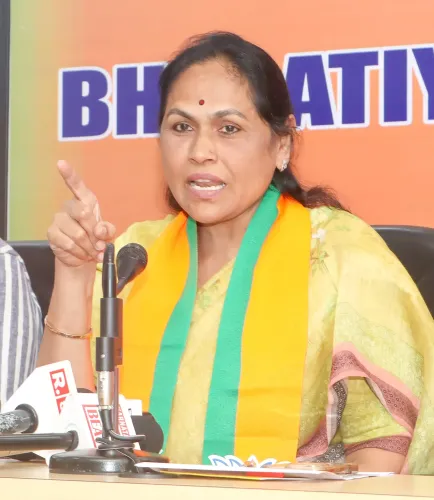
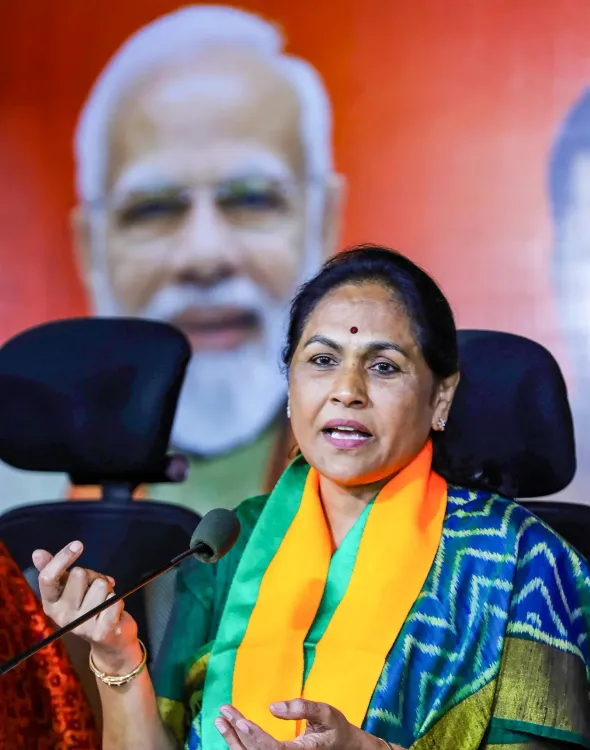
Union Minister of State Shobha Karandlaje on Friday, 4 July 2025, wrote to the Chief Election Commissioner of the Election Commission of India (ECI), seeking urgent intervention over the alleged dilution of the Special Intensive Revision (SIR) of electoral rolls in Karnataka. Karandlaje, who holds charge of the Ministry of Micro, Small and Medium Enterprises and Ministry of Labour and Employment, alleged that the mandatory house-to-house verification process was being bypassed in favour of camp-based distribution of Enumeration Forms at community halls.
The Core Allegation
According to Karandlaje, the SIR exercise — which is designed to physically verify every elector at their ordinary place of residence — was being conducted at community centres and common venues in several parts of Karnataka instead of through door-to-door visits by Booth Level Officers (BLOs). She contended that this departure from the prescribed procedure 'significantly weakens the safeguards built into the revision process and undermines the integrity of the electoral rolls,' as stated in her letter.
The Union Minister further alleged that BLOs were not being taken into confidence during the exercise and were being prevented from performing their statutory duties in line with the ECI's own guidelines. She claimed the state administrative machinery had adopted procedures that diluted the SIR process, thereby undermining the independence of the revision exercise.
Key Demands Made to the ECI
In her letter, Karandlaje urged the Election Commission to immediately inquire into the conduct of the SIR exercise across Karnataka and verify whether mandatory house-to-house verification was being replaced or diluted. She also requested the Commission to confirm whether BLOs were being allowed to independently discharge their duties.
Additionally, she sought directions to all election authorities in Karnataka to strictly adhere to prescribed procedures and called for the deployment of independent observers wherever necessary to safeguard the integrity of the ongoing revision process.
Illegal Immigrants and Electoral Purity
Karandlaje raised concern that the absence of effective door-to-door verification created a serious risk of ineligible persons — including illegal immigrants and non-citizens — being enrolled as electors under the Representation of the People Act, 1950. She wrote that 'any illegal inclusion of such persons would directly affect the purity of the electoral rolls and erode public confidence in the electoral process.'
The Union Minister also alleged that there was growing apprehension that the state government was misusing administrative machinery by diluting the prescribed SIR procedure for political benefit — a charge the Karnataka government has not yet formally responded to, according to available reports.
Constitutional Framework Cited
Invoking Article 324 of the Constitution, Karandlaje argued that the ECI bears the responsibility of ensuring that the preparation and revision of electoral rolls remain free, fair, transparent, and insulated from executive influence. She contended that any large-scale deviation from the prescribed procedure required immediate scrutiny and corrective intervention by the Commission.
This comes amid broader political tensions in Karnataka between the ruling Indian National Congress (Congress) state government and the Bharatiya Janata Party (BJP) at the Centre, with the SIR process becoming the latest flashpoint. The ECI's response to Karandlaje's letter is awaited.
Point of View
A charge that carries electoral weight even without proof. The ECI now faces a delicate test: if it acts swiftly, it validates the allegation; if it delays, it hands the BJP a ready-made accountability line. What is notable is the specific invocation of illegal immigrants — a charged phrase that links a procedural dispute to a much larger national political argument. The Commission's response, and whether it finds any procedural lapse, will be the real story.
NationPress
2 Oct 2026
Frequently Asked Questions
What is the Special Intensive Revision (SIR) of electoral rolls in Karnataka?
The Special Intensive Revision (SIR) is a process mandated by the Election Commission of India to update and verify electoral rolls through mandatory house-to-house visits by Booth Level Officers. It is designed to physically confirm every elector at their ordinary place of residence, ensuring only eligible citizens are enrolled.
What has MoS Shobha Karandlaje alleged about the SIR process in Karnataka?
Karandlaje has alleged that the mandatory door-to-door verification is being bypassed in favour of camp-based distribution of Enumeration Forms at community halls and common venues. She further claims that Booth Level Officers are not being allowed to independently perform their statutory duties.
What action has Karandlaje sought from the Election Commission?
She has urged the ECI to immediately inquire into the conduct of the SIR exercise across Karnataka, ensure BLOs can discharge their duties freely, direct all election authorities to follow prescribed procedures, and deploy independent observers wherever necessary.
Why is the inclusion of illegal immigrants a concern in this context?
Karandlaje argues that without effective door-to-door verification, ineligible persons — including illegal immigrants — could be enrolled as voters under the Representation of the People Act, 1950. She contends this would undermine the purity of electoral rolls and erode public confidence in elections.
What is the constitutional basis cited in Karandlaje's letter?
The letter invokes Article 324 of the Constitution, which vests the Election Commission with the authority to superintend, direct, and control the preparation of electoral rolls. Karandlaje argues this responsibility obligates the ECI to intervene when the revision process is allegedly compromised by executive influence.