Bikaner House photo row: BJP's Rathore questions 'Rajiv Gandhi' name linked to Raihan Vadra
Synopsis
A photography exhibition by Raihan Vadra — son of Priyanka Gandhi Vadra — has ignited a multi-pronged political storm: over 70 protest-themed photos were pulled from Delhi's Bikaner House before opening, Congress leaders cried censorship, and BJP Rajasthan chief Madan Rathore seized on the controversy to question why Raihan is reportedly being called 'Rehan Rajiv Gandhi', raising pointed questions about the Gandhi family's political branding.
Key Takeaways
BJP Rajasthan president Madan Rathore on 23 October 2026 questioned the reported use of 'Rehan Rajiv Gandhi' as a name for Raihan Vadra .
Raihan Vadra is the son of Congress leader Priyanka Gandhi Vadra and businessman Robert Vadra .
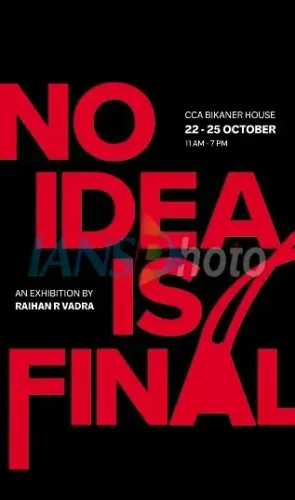
More than 70 photographs from Raihan's exhibition No Idea Is Final at Bikaner House, New Delhi , were removed before the opening, reportedly for being inconsistent with the venue's policy.
Former Rajasthan CM Ashok Gehlot called the removal 'highly condemnable', describing it as censorship under a BJP-led state government.
Priyanka Gandhi Vadra also condemned the decision to remove the photographs.
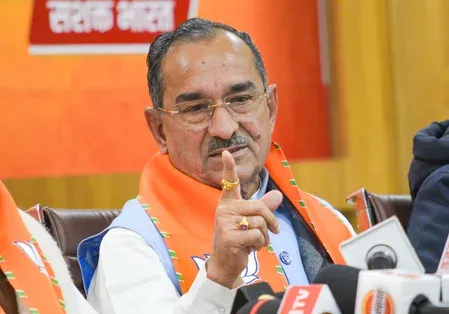
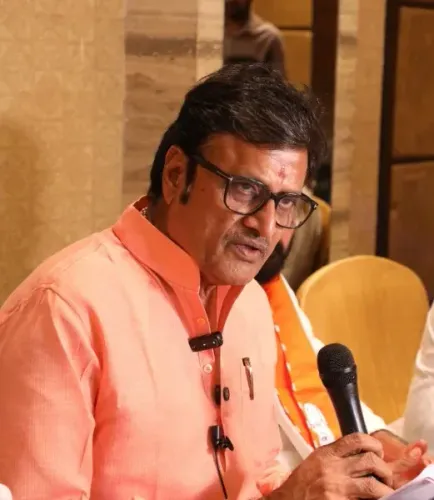
BJP Rajasthan president Madan Rathore on Friday, 23 October questioned why Raihan Vadra — son of Congress leader Priyanka Gandhi Vadra and businessman Robert Vadra — is reportedly being referred to as 'Rehan Rajiv Gandhi', as a political row over the removal of photographs from his exhibition at Bikaner House in New Delhi continues to deepen. The controversy now spans questions of artistic freedom, political nomenclature, and institutional censorship.
Rathore's Remarks on the Gandhi Name
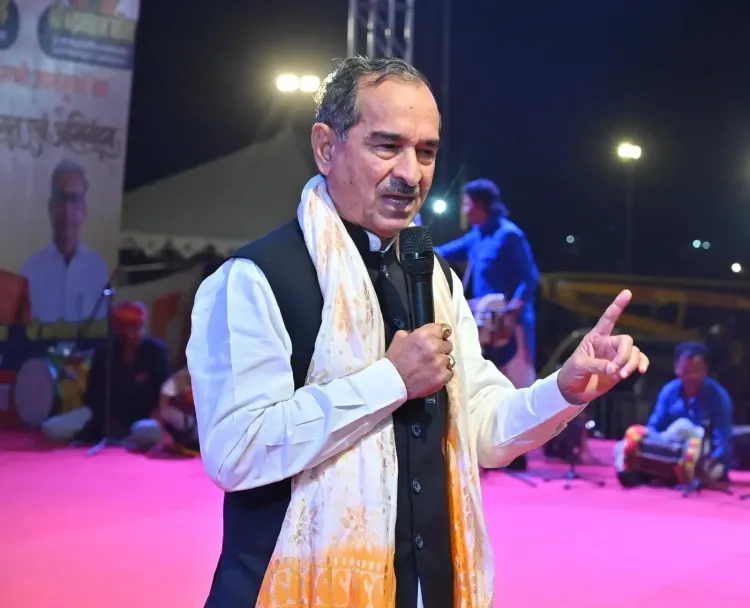
Speaking from Jaipur, Rathore said: 'Perhaps I shouldn't say it; you might end up calling it a controversial statement, but if you look into it, he is being referred to as Rehan Rajiv Gandhi.' He questioned why the name 'Rajiv' was being appended, asking, 'Is it because they want to further their political interests by leveraging that family name? And what about his father, where has he gone? Why are you using such names?' Rathore further remarked that, according to Indian cultural traditions, a person should use the names of their own parents.
The Exhibition at the Centre of the Row
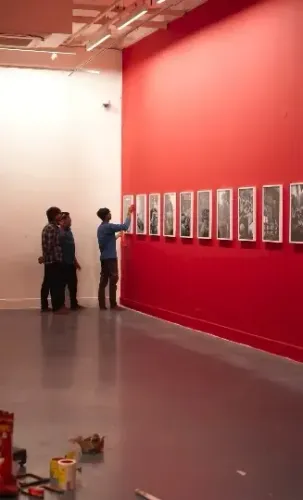
Raihan Vadra's photography exhibition, titled No Idea Is Final, is hosted at Bikaner House in New Delhi, a property managed by the Bikaner House Management Society on behalf of the Rajasthan government. Raihan alleged that more than 70 photographs documenting recent youth movements and protests were removed shortly before the exhibition opened. The Management Society stated that certain photographs were inconsistent with its policy and had been requested for removal. Raihan criticised the decision, arguing that placing restrictions on artistic expression was wrong.
Congress Leaders Condemn the Move
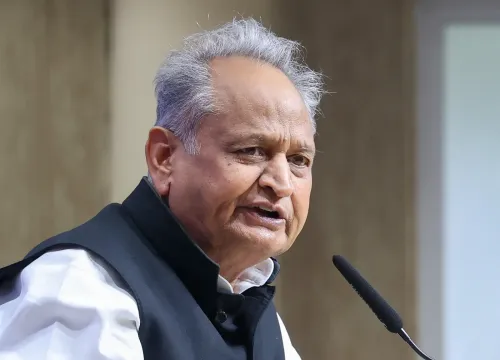
Priyanka Gandhi Vadra condemned the removal of the photographs, aligning with her son's position on artistic freedom. Former Rajasthan Chief Minister Ashok Gehlot also criticised the decision sharply, saying: 'Bikaner House is a property of the Rajasthan government. This means that, under the watch of the BJP-led state government, the artistic expression of a young artist was stifled. This is highly condemnable.' Gehlot further asked, 'Why were photographs depicting the truth removed?', and described the incident as an act of censorship that amounted to an attack on democracy.
Political Fault Lines Widen
The episode has drawn the BJP and the Indian National Congress (INC) into a sharper confrontation on two distinct fronts — the use of the Gandhi family name and the limits of artistic expression at government-managed venues. This comes amid a broader national conversation about institutional autonomy and the boundaries between political messaging and cultural spaces. Notably, Bikaner House's dual identity as both a cultural venue and a Rajasthan government property makes the management's decision politically difficult to insulate from partisan scrutiny. As both sides dig in, the fate of the removed photographs and any formal response from the Rajasthan government remain to be seen.
Point of View
The BJP inadvertently places the responsibility for the photo removal squarely on its own state administration. Congress, meanwhile, is using the episode to consolidate a freedom-of-expression frame ahead of politically sensitive periods, with Priyanka Gandhi Vadra's involvement elevating what might otherwise have been a minor cultural dispute into a national story. The deeper issue — whether government-run cultural spaces can exercise editorial control over politically charged art — remains unaddressed by either side.
NationPress
23 Oct 2026
Frequently Asked Questions
Why did BJP's Madan Rathore question Raihan Vadra's name?
Rathore questioned why Raihan Vadra was reportedly being referred to as 'Rehan Rajiv Gandhi', suggesting it was an attempt to leverage the Gandhi family name for political gain. He argued that, per Indian cultural tradition, a person should use their own parents' names.
What is the Bikaner House photo exhibition row about?
Raihan Vadra's photography exhibition, No Idea Is Final, at Bikaner House in New Delhi became controversial when more than 70 photographs documenting youth movements and protests were removed before the opening. The Bikaner House Management Society said the photos were inconsistent with its policy; Congress leaders called it censorship.
Who is Raihan Vadra?
Raihan Vadra is the son of Congress leader Priyanka Gandhi Vadra and businessman Robert Vadra. He is a photographer whose exhibition at Bikaner House sparked the current political controversy.
What did Ashok Gehlot say about the photo removal?
Former Rajasthan Chief Minister Ashok Gehlot described the removal as 'highly condemnable', arguing that since Bikaner House is a Rajasthan government property, the BJP-led state government was responsible for stifling a young artist's expression. He called it an act of censorship and an attack on democracy.
What happens next in the Bikaner House controversy?
As of 23 October 2026, neither the Rajasthan government nor the Bikaner House Management Society has issued a formal response to the political criticism. The fate of the removed photographs and whether the exhibition continues in its current form remain unclear, with both the BJP and Congress likely to keep the issue in the public spotlight.