BJP's Jakhar questions Punjab AAP govt over drug inspector Shishan Mittal's reinstatement
Synopsis
Former Punjab BJP chief Sunil Jakhar has raised a pointed question: how did a drug inspector — arrested in 2024 as a suspected kingpin, linked to ₹7.09 crore in frozen accounts and foreign currency — end up back at the department's headquarters handling drug samples? The Mansa incident has given the BJP fresh ammunition to challenge the AAP government's anti-drug credibility, and the absence of an ED referral is the sharpest unanswered charge.
Key Takeaways
Former Punjab BJP president Sunil Jakhar accused the AAP government of hypocrisy on drug enforcement on 15 October 2026 .
Drug inspector Shishan Mittal was arrested by the Anti-Narcotics Task Force in September 2024 for alleged collusion with drug traffickers in prison.
Investigation led to freezing of ₹7.09 crore in 24 bank accounts ; ₹1.149 crore cash, 260 grams of gold , and foreign currency were reportedly recovered.
Mittal was reportedly reinstated in 2025 and placed in a headquarters role overseeing drug sample management.
Jakhar demanded to know why the Enforcement Directorate (ED) was not brought in despite signs of money laundering.
Chief Minister Bhagwant Mann is scheduled to hold an anti-drug review on Friday ; the Punjab government had not responded at the time of reporting.
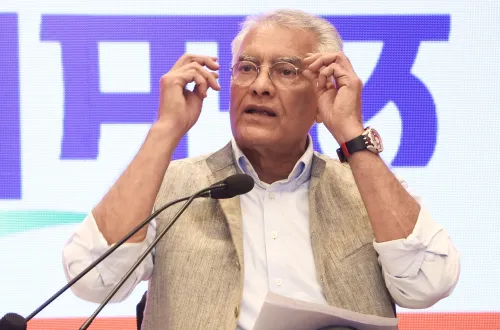
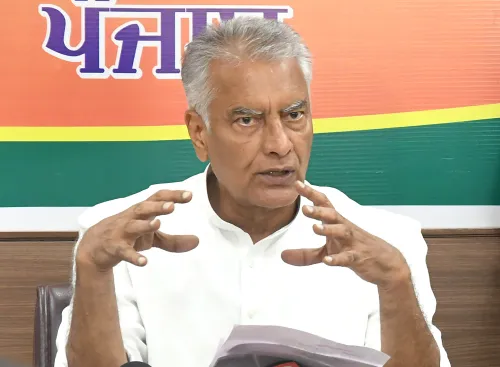
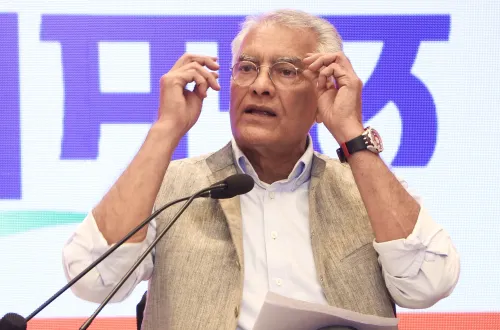
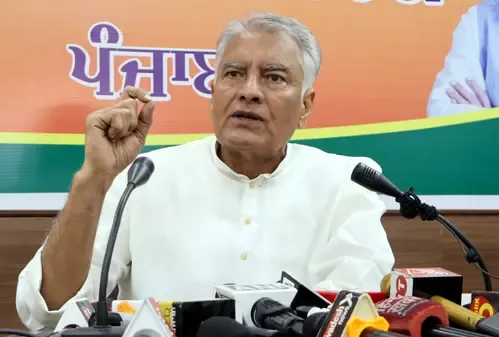
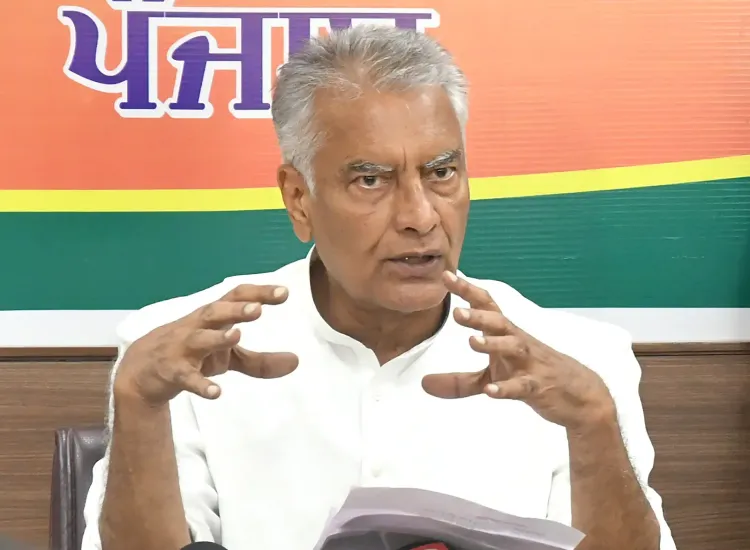
Former Punjab Bharatiya Janata Party (BJP) president Sunil Jakhar on Thursday, 15 October accused the Aam Aadmi Party (AAP)-led Punjab government of staging 'theatrics' in the name of fighting drugs, demanding answers from Chief Minister Bhagwant Mann and state Director General of Police Gaurav Yadav over the reinstatement of drug inspector Shishan Mittal. Jakhar's accusations follow a fresh row over the Mansa incident and the state's broader anti-narcotics record.
The Shishan Mittal Case: What Jakhar Alleged
According to Jakhar, the Anti-Narcotics Task Force arrested inspector Shishan Mittal in September 2024 on allegations of colluding with drug traffickers lodged in prisons and laundering drug money. Mittal had been posted to Fazilka following complaints in Mansa and was reportedly arrested in Mohali during that posting.
The investigation allegedly led to the freezing of ₹7.09 crore across 24 bank accounts, while ₹1.149 crore in cash, approximately 260 grams of gold, and foreign currency were reportedly recovered from two lockers. Jakhar also cited alleged real estate holdings in Zirakpur and Rajasthan.
Reinstatement at Headquarters: The Central Charge
Jakhar questioned how Mittal, after being granted bail and reinstated in 2025, was allegedly entrusted with responsibilities relating to drug sample management at the department's headquarters. He described this as placing a person accused of being a 'kingpin' of a drug network back at the nerve centre of the very system he had allegedly compromised.
Jakhar urged the Chief Minister to determine, during a review of anti-drug measures scheduled for Friday, who had authorised Mittal's appointment to this sensitive position. He alleged the Mann government had treated the inspector as a 'source of illicit earnings' rather than a subject of rigorous investigation.
The ED Question: Why Was It Not Brought In?
A key line of Jakhar's attack centred on the absence of the Enforcement Directorate (ED) in the case despite the alleged recovery of foreign currency, frozen bank accounts, and suspected cross-border financial transactions — all indicators that would typically attract a money-laundering probe. He asked why the state government had not referred the case to the central agency, calling the oversight deliberate.
This comes amid a broader pattern in which opposition parties have repeatedly questioned Punjab's anti-drug resolve, arguing that high-profile arrests are followed by administrative rehabilitation rather than sustained prosecution. Notably, this is not the first time that the status of an arrested official in the state's drug enforcement chain has drawn political scrutiny.
Broader Questions on Punjab's Anti-Drug Record
Beyond the Mittal case, Jakhar posed a series of specific questions: how many other drug inspectors had faced departmental or criminal action following this episode; how far investigations into traffickers' money trails had progressed; and what concrete steps had been taken to dismantle networks being operated from within prisons.
He asserted that the AAP government's public posturing on the drug menace was at odds with its administrative decisions, and called on Chief Minister Mann to provide verifiable answers rather than 'theatrical' press statements.
Government Yet to Respond
The Punjab government had not issued an official response to Jakhar's allegations at the time of reporting. The Friday anti-drug review meeting cited by Jakhar is expected to be a flashpoint, with the opposition likely to press further on the Mittal reinstatement and the ED referral question. How the Mann administration handles these charges could shape the political narrative around Punjab's drug crisis heading into the winter legislative session.
Point of View
Followed by quiet rehabilitations once the cameras move on. Jakhar's demand for an ED referral is not merely political posturing — foreign currency recovery and multi-account freezes are textbook triggers for a money-laundering investigation, and the state's apparent reluctance to escalate is a legitimate governance question. The AAP came to power in Punjab partly on the promise of dismantling entrenched drug networks; if a suspected insider gets a headquarters posting after bail, that promise is seriously tested. The Friday review meeting now carries more political weight than a routine administrative exercise.
NationPress
16 Oct 2026
Frequently Asked Questions
Who is Shishan Mittal and why was he arrested?
Shishan Mittal is a Punjab drug inspector arrested by the Anti-Narcotics Task Force in September 2024 on allegations of colluding with drug traffickers lodged in prisons and laundering drug money. The investigation reportedly led to the freezing of ₹7.09 crore across 24 bank accounts, along with the recovery of ₹1.149 crore in cash, around 260 grams of gold, and foreign currency.
What is Sunil Jakhar alleging about the Punjab government?
Former Punjab BJP president Sunil Jakhar alleges that the AAP-led Punjab government reinstated Mittal in 2025 — after he was granted bail — and posted him to a sensitive headquarters role overseeing drug samples. He accuses the Bhagwant Mann government of failing to refer the case to the Enforcement Directorate despite evidence of suspected money laundering.
Why is the Enforcement Directorate's absence significant?
The ED handles money-laundering investigations under the Prevention of Money Laundering Act. Jakhar argues that the recovery of foreign currency, frozen bank accounts, and alleged cross-border financial transactions make this a textbook ED case; its non-involvement, he claims, was a deliberate decision by the state government.
What is the Mansa incident referred to in the BJP's accusations?
Jakhar raised the Mansa incident as part of his broader challenge to the Punjab government's anti-drug record. Mittal had reportedly been transferred to Fazilka after receiving complaints in Mansa before his eventual arrest in Mohali. The specifics of the Mansa incident remain part of the wider political charges Jakhar is pressing.
What happens next in this political row?
Chief Minister Bhagwant Mann is scheduled to hold an anti-drug review meeting on Friday, which Jakhar has urged him to use to identify who authorised Mittal's reinstatement. The Punjab government had not responded to Jakhar's allegations at the time of reporting, making that meeting a key flashpoint.