Did BJP Criticize Rahul Gandhi for Claims on CEC Appointment?
Synopsis
On December 9, the BJP sharply criticized Rahul Gandhi over his claims regarding the appointment of the Chief Election Commissioner. The BJP emphasized that past practices of Congress contradict Gandhi's allegations, raising significant questions about electoral integrity and accountability. The ongoing political discourse highlights the tension between the ruling party and the opposition in India.
Key Takeaways
The BJP strongly rebuts Rahul Gandhi's allegations.
Questions arise about past Congress practices regarding CEC appointments.
The importance of electoral integrity is emphasized by both parties.
Political tensions continue to shape the discourse in India.
Gandhi's remarks highlight concerns over democratic processes.
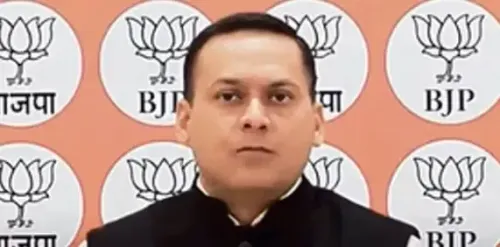
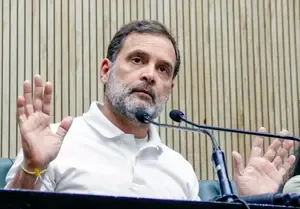
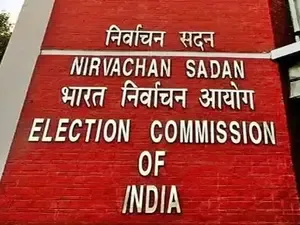
In New Delhi, on December 9, (NationPress) the Bharatiya Janata Party (BJP) has vehemently responded to accusations made by Rahul Gandhi, a prominent leader of the Congress party and the Leader of the Opposition in the Lok Sabha. Gandhi claimed that the Chief Election Commissioner (CEC) of India was appointed after the Chief Justice of India was removed from the selection panel.
The BJP countered this assertion by asking, “Can Rahul Gandhi identify any Election Commissioner appointed during Congress’s tenure who was selected by a committee including either the Chief Justice of India or the Leader of the Opposition?”
In a tweet from their official X account, the BJP stated: “The committee was temporarily formed until a new law was put in place. Prior to that, Congress Prime Ministers appointed Election Commissioners directly.” They further challenged Gandhi’s recollection of the UPA government, stating, “Did Rahul Gandhi forget the record of his own administration? In 2005, Sonia Gandhi appointed Navin Chawla as Election Commissioner. What authority did Sonia Gandhi possess?”
The BJP also pointed out that in 2012, when it was time to appoint a new CEC ahead of the 2014 Lok Sabha elections, senior BJP leader LK Advani proposed establishing a collegium for the selection process. “Congress disregarded this suggestion and directly appointed VS Sampath as CEC, receiving prompt approval from President Pratibha Patil,” the post noted.
The party emphasized that the Opposition was not consulted during such appointments. “Currently, the Leader of the Opposition is included in the committee for selecting the CEC. Instead of contributing positively to the process, Rahul Gandhi indulges in theatrics,” the BJP claimed.
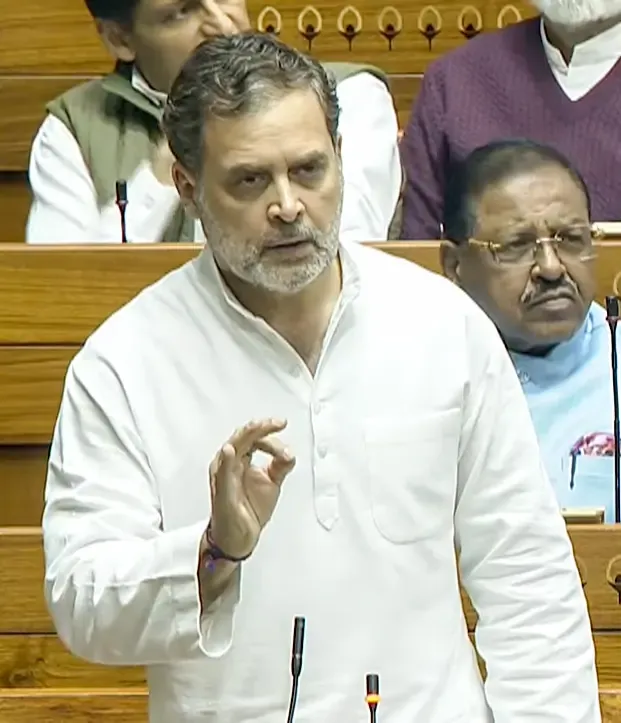
During discussions on electoral reforms—often referred to by Congress as the SIR (Special Intensive Revision)—Gandhi posed pointed inquiries. “Why was the Chief Justice of India removed from the Election Commissioner selection panel? What could be the motivation behind removing the CJI? Do we not trust the CJI? Certainly, we do. Then why is he excluded from the discussion?”
Gandhi further elaborated: “I am present in that room. It is termed a democratic decision, yet on one side are Prime Minister Narendra Modi and Home Minister Amit Shah, while on the opposite side sits the Leader of the Opposition. My voice is absent in that room. Their decision is final. Why are the Prime Minister and Amit Shah so intent on determining who the Election Commissioner will be?”
He went on to allege: “This is unprecedented. No Prime Minister has ever acted in this manner in India’s history. In December 2025, this government altered the law to ensure that no Election Commissioner could face punishment for any actions taken during their term. Why would the Prime Minister and Home Minister provide such immunity? Why award a privilege that no Prime Minister has ever granted before?”
In a strong statement against the BJP, Gandhi asserted: “There is no greater anti-national act than the theft of votes.”
Point of View
It’s crucial to recognize the ongoing dynamic between the ruling party and the opposition. This exchange between the BJP and Rahul Gandhi sheds light on the complex political landscape in India, where allegations and counterclaims are part of the narrative. While both sides present their arguments, the focus remains on the integrity of the electoral process, which is vital for democratic governance.
NationPress
19 Sept 2026
Frequently Asked Questions
What were Rahul Gandhi's allegations about the CEC appointment?
Rahul Gandhi alleged that the Chief Election Commissioner was appointed after the Chief Justice of India was removed from the selection panel.
How did the BJP respond to Gandhi's claims?
The BJP challenged Gandhi to name any Election Commissioner appointed by a committee that included the Chief Justice during the Congress rule and highlighted past appointments made directly by Congress Prime Ministers.
What historical examples did the BJP provide?
The BJP cited the appointment of Navin Chawla by Sonia Gandhi in 2005 and the appointment of VS Sampath in 2012 without consulting the Opposition.