BJP's Samik Bhattacharya backs Bengal's closure notices to 252 madrasahs
Synopsis
West Bengal's state government has issued closure notices to 252 largely unrecognised madrasahs and show-cause notices to 100 more following a departmental review — and the BJP's state chief Samik Bhattacharya has not only welcomed the move but invoked the late Left Front CM Buddhadeb Bhattacharjee's own warnings about militancy in such institutions to drive the point home.
Key Takeaways
The West Bengal government has issued closure notices to 252 madrasahs , most classified as 'khariji' (unrecognised).
An additional 100 madrasahs have received show-cause notices asking them to explain why they should not face closure.
The notices followed a state minorities affairs and madrasah education department review covering management, teachers, attendance, infrastructure, syllabus, and funding sources .
BJP Bengal President Samik Bhattacharya welcomed the move and invoked the late Buddhadeb Bhattacharjee's warnings about militancy in khariji madrasahs.
Bhattacharya reiterated the BJP's goal of a 'one nation, one education system' framework free of religious control.
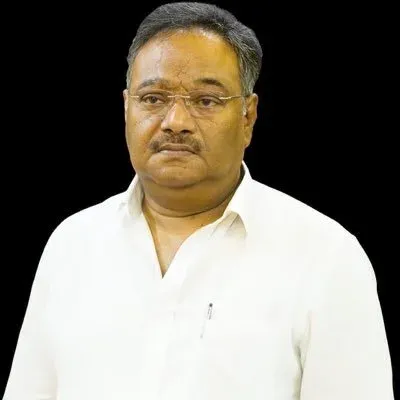
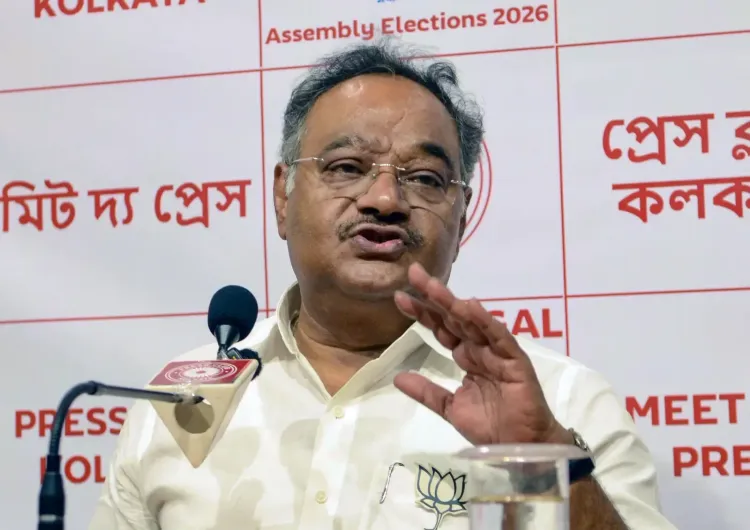
West Bengal Bharatiya Janata Party (BJP) President and Rajya Sabha member Samik Bhattacharya on Sunday, 13 September welcomed the state government's decision to issue closure notices to 252 madrasahs across West Bengal, most of them classified as 'khariji' — that is, unrecognised institutions. The state has simultaneously served show-cause notices to 100 additional madrasahs, asking them to explain why similar closure orders should not be issued against them.
What Triggered the Notices
The closure and show-cause notices followed a review conducted by the West Bengal minorities affairs and madrasah education department, which assessed the functional aspects of madrasahs across the state. The review examined management systems, teacher strength, student attendance, infrastructure, syllabus content, and — critically — sources of funding. Institutions found deficient on multiple parameters were served the orders.
Bhattacharya Invokes Buddhadeb Bhattacharjee
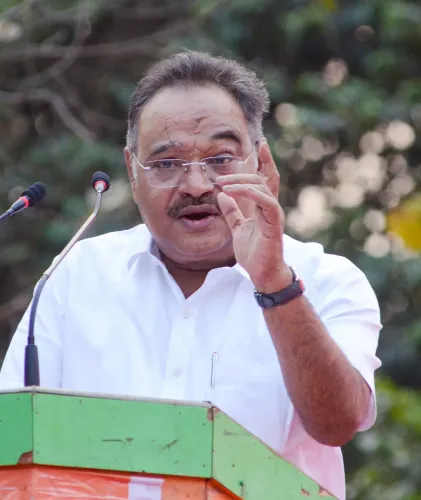
Speaking to media persons in Kolkata on Sunday afternoon, Samik Bhattacharya drew a pointed historical parallel, referencing the late Buddhadeb Bhattacharjee — the last Chief Minister of the Left Front government in West Bengal. According to the BJP State President, Buddhadeb Bhattacharjee had himself once warned that militants were being bred in such khariji madrasahs, only to retract under pressure from within his own party.
'Buddhadeb Bhattacharjee also said once that militants are being bred in such khariji madrasas. As soon as a controversy arose over his comments, he had to bow to pressure from his party. If the Left Front government had listened to Buddhadeb Bhattacharjee that day, this situation would not have arisen in the border districts,' Bhattacharya said.
He added that the current BJP, in contrast, would not yield to similar pressure. 'The BJP wants a superstition-free, scientific, modern, and progressive education system where there will be equal opportunities for all. Our goal is one nation, one education system,' he said.
The Broader Education Argument
Bhattacharya framed his remarks around a broader principle of secular, modern education. He argued that education should serve as 'the path to building knowledge, rationality, scientific temperament, and humane values,' and must not become 'a medium of any religious control or rituals and practices.' He said education trapped in 'the web of superstitions and narrow-mindedness' obstructs national progress, and that no child's future should be determined by their religion or identity.
Political Context and What Comes Next
The development comes at a politically charged moment in West Bengal, where religious education institutions have long been a sensitive subject. The state government's review — and the BJP's vocal endorsement of the action — signals that the issue is likely to become a flashpoint ahead of upcoming electoral cycles. Notably, the show-cause notices to 100 additional madrasahs suggest the review process is still ongoing, and further closures cannot be ruled out. All eyes will be on how the state government responds to the replies submitted by those institutions, and whether political pressure — from any quarter — influences the final outcome.
Point of View
The party simultaneously claims the high ground on education reform and security while spotlighting perceived TMC ambivalence on unrecognised madrasahs. The invocation of Buddhadeb Bhattacharjee is clever politics, pitting the Left's own record against the incumbent. Yet the real question the coverage misses is whether the review criteria — particularly 'source of funding' — are being applied uniformly across all unrecognised religious institutions in the state, or selectively. The answer to that will determine whether this is genuine education reform or targeted political theatre ahead of elections.
NationPress
13 Sept 2026
Frequently Asked Questions
Why has the West Bengal government issued closure notices to 252 madrasahs?
The notices were issued after the state minorities affairs and madrasah education department conducted a review of madrasahs across West Bengal, assessing their management systems, teacher numbers, student attendance, infrastructure, syllabus, and sources of funding. Institutions found deficient on these parameters — most of them unrecognised or 'khariji' madrasahs — were served closure orders.
What is a 'khariji' madrasah?
A 'khariji' madrasah is an unrecognised Islamic educational institution that operates outside the formal regulatory framework of the state's madrasah education board. Such institutions do not receive state funding or accreditation and are not subject to standard curriculum or staffing norms.
What did Samik Bhattacharya say about Buddhadeb Bhattacharjee?
BJP Bengal President Samik Bhattacharya recalled that the late Left Front Chief Minister Buddhadeb Bhattacharjee had once warned that militants were being bred in khariji madrasahs, but was forced to retract under pressure from his own party. Bhattacharya argued that had the Left Front acted on that warning, the situation in West Bengal's border districts would not have deteriorated.
How many additional madrasahs are under scrutiny beyond the 252 served closure notices?
The state government has simultaneously issued show-cause notices to 100 more madrasahs, asking them to explain why closure orders similar to those served to the 252 institutions should not be issued against them. The review process appears to be ongoing.
What is the BJP's stated vision for education reform in West Bengal?
Bhattacharya articulated a 'one nation, one education system' principle, calling for a scientific, modern, technology-driven, and employment-oriented education system free from religious control. He stated that no child's future should be determined by their religion or identity, and that education should foster rationality and humane values.