BMC Elections: How Are Fadnavis and Thackeray Competing for Mumbai?
Synopsis
The stakes are high as the BMC elections unfold, with key political figures like Devendra Fadnavis and Uddhav Thackeray battling for dominance in Mumbai. Will this election reshape the political landscape of Maharashtra? Dive into the details of this pivotal moment.
Key Takeaways
Mumbai's BMC elections are highly competitive.
Devendra Fadnavis aims to secure the Mayor's position.
Uddhav Thackeray fights to maintain political relevance.
The BMC has a substantial budget exceeding Rs 74,000 crore.
1,729 candidates are contesting for 227 seats.
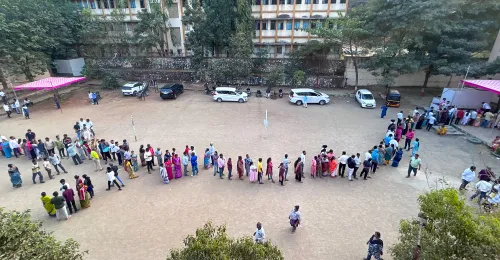
Mumbai, Jan 15 (NationPress) The voting process for 29 Municipal Corporations across Maharashtra, including major urban hubs like Mumbai, Pune, Nagpur, and Nashik, wrapped up at 5:30 p.m. on Thursday, under strict security measures and a charged political atmosphere.
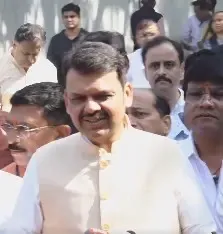
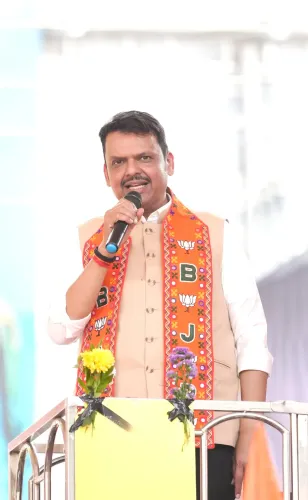
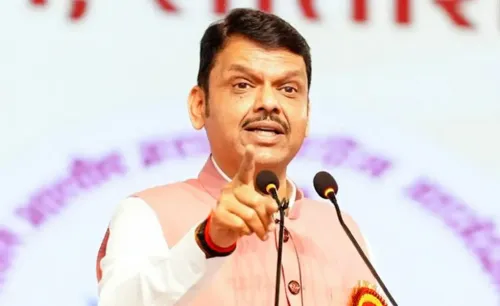
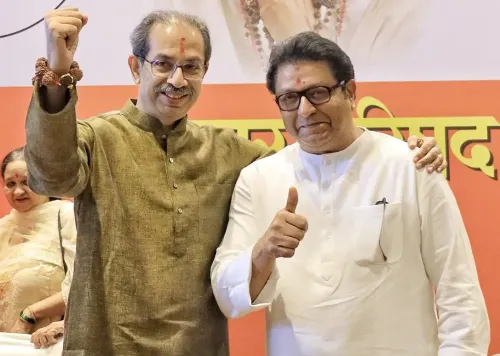
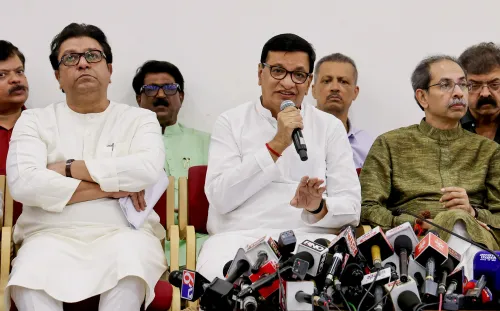
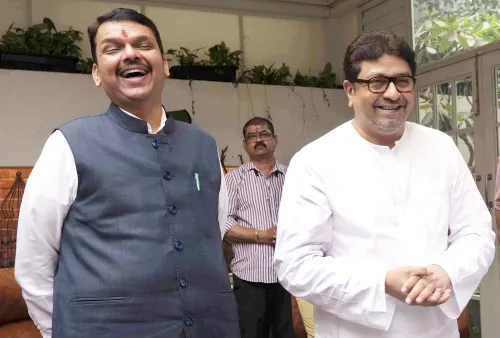
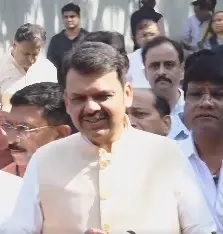
This election is viewed as a pivotal moment for the political dynamics in the state, with Chief Minister Devendra Fadnavis and Shiv Sena-UBT Chief Uddhav Thackeray—accompanied by his sibling and Maharashtra Navnirman Sena (MNS) leader Raj Thackeray—placing their reputations on the line.
For the BJP, guided by Devendra Fadnavis, the Brihanmumbai Municipal Corporation (BMC) is considered the 'crown jewel' of their campaign.
While the BJP nearly displaced the Shiv Sena in 2017, it opted to maintain the stability of the state government at that time.
However, after the 2022 split within the Shiv Sena and the ensuing rift between the former allies, the BJP is determined to secure its first Mayor in Mumbai. This victory would reinforce the BJP's hold on India's financial epicenter.
For Uddhav Thackeray, this election symbolizes a battle for political survival. Following the loss of the party's name and symbol to Eknath Shinde in 2022 and a setback in the 2024 Assembly elections, the BMC stands as his last significant bastion.
Traditionally, the BMC has been the core of the Shiv Sena's power for over 25 years. In a strategic alliance to uphold the legacy of Balasaheb Thackeray, Uddhav Thackeray has collaborated with his brother Raj Thackeray.
Analysts warn that a defeat in the civic elections could lead to further decline of Uddhav Thackeray's Shiv Sena-UBT, potentially causing remaining lawmakers to shift allegiance to the ruling Mahayuti.
However, following a significant joint rally at Shivaji Park, the Thackeray brothers seem to have gained considerable momentum.
The Shiv Sena has presided over the BMC since 1985. The 2017 elections were closely contested: Shiv Sena secured 84 seats, BJP won 82, Congress obtained 31, NCP received nine, and MNS gained seven.
Due to the lack of a clear majority, the BJP had permitted the Shiv Sena to retain the Mayor's position to maintain state alliance stability.
Today, the contest landscape has changed dramatically. A total of 1,729 candidates are vying for 227 seats in Mumbai alone. The city boasts over 1.03 crore eligible voters, comprising 55.16 lakh men and 48.26 lakh women.
Founded in 1865, the BMC is not merely a municipal body; it is the wealthiest civic corporation in India. With an annual budget exceeding Rs 74,000 crore, its financial strength outmatches that of several states like Goa, Sikkim, and Arunachal Pradesh.
BMC's income sources include property tax, a primary revenue stream collected from residential and commercial properties; service fees, such as water tax, sewerage charges, and parking fees; development charges from building permissions and infrastructure premiums; and state grants, including subsidies and compensation for octroi (GST).
This extensive revenue base empowers the BMC to undertake large-scale infrastructure projects independently of the state government, making control of it a crucial asset for any political party.
(Sanjay Jog can be reached at sanjay.j@ians.in)
Point of View
The BMC elections represent a critical juncture in Maharashtra's political narrative. With influential leaders like Fadnavis and Thackeray at the helm, the outcome could significantly impact governance and party dynamics, not just in Mumbai but across the state. It’s essential to monitor these developments closely.
NationPress
23 Sept 2026
Frequently Asked Questions
What are the key issues in the BMC elections?
The primary issues include governance, infrastructure development, and political alliances.
Who are the main candidates for Mayor in Mumbai?
The main candidates include Devendra Fadnavis from the BJP and Uddhav Thackeray from Shiv Sena-UBT.
What is the significance of the BMC?
The BMC is the wealthiest civic corporation in India, with a crucial role in Mumbai's governance.