Gujarat's BNJD faces FIR over ₹1,143 crore bogus donation racket, 4 held
Synopsis
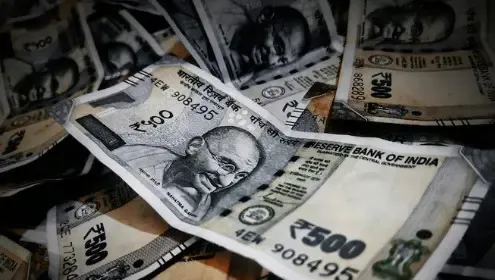
A registered but unrecognised Gujarat political party allegedly ran a six-year scheme to launder ₹1,143.85 crore through fake political donations — collecting commissions, routing cash through hawala and Angadiya networks, and filing forged Form 24A reports with the Election Commission. The Income Tax Department estimates a ₹343 crore hit to the exchequer.
Key Takeaways
Gujarat Police registered an FIR on 25 September 2026 against the BNJD and four office-bearers over an alleged ₹1,143.85 crore bogus donation racket.
The scheme allegedly involved 56,238 donors who received fake donation receipts to claim tax deductions under the Income Tax Act .
The Income Tax Department estimates a direct tax loss of approximately ₹343 crore to the exchequer.
Funds were allegedly routed through intermediary firms and returned to donors via Angadiya channels and hawala networks , with commissions of 2%–10% retained.
False contribution reports in Form 24A were allegedly submitted to the Election Commission of India .
All allegations are yet to be established in a court of law; Income Tax searches were first conducted in November 2025 .
The Gujarat Police have registered a criminal case against the Bharatiya National Janata Dal (BNJD) and four of its office-bearers over an alleged bogus political donation racket involving ₹1,143.85 crore and 56,238 donors, with the Income Tax Department estimating a direct tax loss of nearly ₹343 crore to the exchequer. The FIR, filed on 25 September 2026, marks one of the largest alleged political donation fraud cases to surface in Gujarat in recent years.
How the Alleged Racket Operated
According to the Income Tax complaint, the alleged transactions took place between financial years 2019-20 and 2024-25. Taxpayers reportedly transferred money to the BNJD through banking channels, including RTGS, and received official donation receipts that allowed them to claim tax deductions available for contributions to political parties under the Income Tax Act.
Investigators allege that the funds were then routed from the party's accounts to intermediary firms — including J Trading, Kajal Enterprises, and Parmar Associates — using false bills and invoices purportedly showing purchases of foodgrains, pulses, and other commodities. The money was subsequently withdrawn in cash.
The complaint alleges that commissions ranging from 2% to 10% were retained, and the remaining amount was returned to the original donors through Angadiya channels and hawala networks. Approximately 2.91 lakh receipts were reportedly recovered during Income Tax searches.
Who Has Been Named
The FIR, registered by the CID Crime, Gandhinagar Zone, on the basis of complaints by Income Tax officials, names:
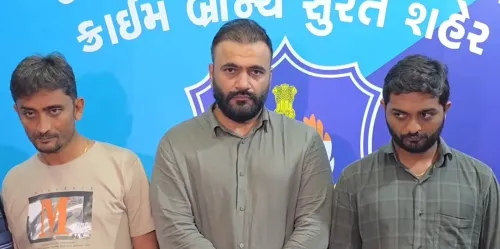
Surendrakumar Gajera, BNJD president, described as the alleged main accused and lynchpin of the operation who reportedly supervised the network and determined commission rates; Vipul Solanki, general secretary, accused of coordinating donor details through messaging platforms and issuing signed donation receipts; Ronaksinh Chavda, treasurer, from whose premises transaction records and digital communications — including alleged chats with middlemen regarding Angadiya channel transactions — were reportedly recovered; and Adil Saiyed, the party's chartered accountant and auditor, who is alleged to have prepared and digitally signed audit reports without properly verifying the party's accounts, visiting its office, or examining genuine transactions.
It must be noted that these allegations have not been established by a court.
Election Commission Records Allegedly Falsified
The complaint further alleges that false accounting records and contribution reports in Form 24A were prepared and submitted to the Election Commission of India (ECI), presenting the purported transactions as genuine political donations. The BNJD is a registered but unrecognised political party that has contested elections in Gujarat and has reported substantial donations in its filings in earlier years — figures that investigators now allege were fabricated.
IT Searches and the Investigative Trail
The Income Tax Department conducted searches at the BNJD office in Gandhinagar and premises linked to its office-bearers in November 2025. The subsequent investigation, according to police, formed the basis of the criminal complaint filed nearly ten months later.
The case has been registered under provisions of the Bharatiya Nyaya Sanhita relating to cheating, criminal conspiracy, forgery, and use of forged documents.
What Happens Next
With the CID Crime now leading the probe, investigators are expected to trace the full trail of funds through intermediary firms and informal money channels. The scale of the alleged racket — spanning six financial years and tens of thousands of purported donors — points to a sustained and structured operation, according to the complaint. A court will ultimately determine whether the allegations hold.
Point of View
Designed to encourage transparent giving, can be gamed at scale by unrecognised parties that face minimal scrutiny. With forged Form 24A filings allegedly passing unchallenged through Election Commission processes for up to six years, the case raises uncomfortable questions about the adequacy of oversight for the hundreds of registered-but-unrecognised parties that file donation reports annually. The ₹343 crore estimated tax loss is significant, but the deeper issue is systemic — if hawala and Angadiya channels can be used to recycle funds through a political party's accounts over multiple financial years without triggering early detection, the regulatory firewall is thinner than it appears.
NationPress
28 Sept 2026
Frequently Asked Questions
What is the BNJD donation racket case in Gujarat?
The Gujarat Police have registered an FIR against the Bharatiya National Janata Dal (BNJD) and four of its office-bearers, alleging that the party ran a bogus political donation scheme worth ₹1,143.85 crore involving 56,238 donors between financial years 2019-20 and 2024-25. The Income Tax Department estimates the scheme caused a direct tax loss of nearly ₹343 crore to the exchequer.
Who are the accused named in the BNJD FIR?
The FIR names BNJD president Surendrakumar Gajera (described as the alleged main accused), general secretary Vipul Solanki, treasurer Ronaksinh Chavda, and chartered accountant-cum-auditor Adil Saiyed, in addition to the party itself. All allegations remain to be proved in a court of law.
How did the alleged BNJD donation fraud work?
According to the Income Tax complaint, taxpayers transferred money to the BNJD and received donation receipts to claim tax deductions. The funds were then allegedly routed through shell firms using false invoices, withdrawn as cash, and returned to the original donors via Angadiya and hawala channels after commissions of 2%–10% were deducted.
What is the role of the Election Commission in this case?
The complaint alleges that false accounting records and contribution reports in Form 24A were submitted to the Election Commission of India, presenting the transactions as genuine political donations. BNJD is a registered but unrecognised political party and had reported substantial donations in its earlier filings.
When did investigators first act, and what law applies?
The Income Tax Department conducted searches at BNJD's Gandhinagar office and linked premises in November 2025. The FIR was registered on 25 September 2026 by the CID Crime, Gandhinagar Zone, under provisions of the Bharatiya Nyaya Sanhita covering cheating, criminal conspiracy, forgery, and use of forged documents.