Why Did the Number of Booths with Zero Deceased, Duplicate, or Shifted Voters in Bengal Plummet to 7?
Synopsis
A dramatic drop in West Bengal's election booths with no deceased, duplicate, or shifted voters has been observed, plummeting from 2,208 to just 7. This change raises concerns about the integrity of the electoral process as the Election Commission pushes for revisions. What does this mean for the upcoming elections?
Key Takeaways
Significant decrease in booths with electoral discrepancies.
Initial count was 2,208 , now down to 7 .
Regular updates from the Election Commission are crucial.
Potential implications for electoral trust and integrity.
Final electoral roll to be published on February 14 .
Kolkata, Dec 4 (NationPress) The count of election booths in West Bengal that have been verified as having no deceased voters, duplicate voters (individuals listed in two locations), or any voters who have relocated has drastically reduced to merely seven as of Thursday.
This represents a significant decline from the alarming total of 2,208 reported on Monday evening, which was subsequently reduced to 480 on Tuesday evening and then further to just 29 on Wednesday evening.
Among the seven booths still classified as having no deceased, duplicate, or shifted voters are two located in Malda district and one in each of Jalpaiguri, South 24 Parganas, Howrah, West Midnapore, and Purulia districts.
Initially, on Monday evening, South 24 Parganas was at the forefront with 760 such booths, but as of Thursday evening, the number has dwindled to just one.
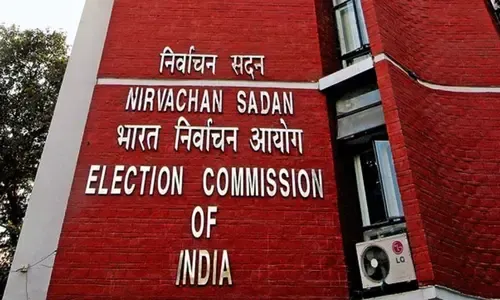
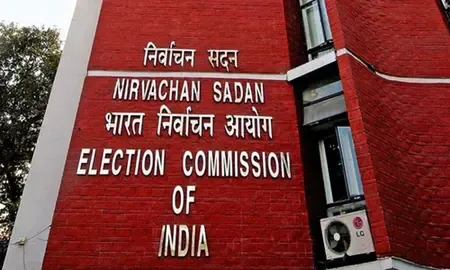
The fluctuation in these statistics has occurred daily since Tuesday evening, following the persistent pressure applied by the Election Commission of India (ECI) on district magistrates and electoral officers to conduct fresh evaluations of these booths.
Leaders from the BJP state that, based on the consistent decline since Monday, it is likely that the count of booths without a single deceased voter, duplicate voter, or shifted voter could potentially reach zero by the weekend.
The three-phase Special Intensive Revision (SIR) commenced on November 4, with the first phase concluding with the publication of the draft voters' list scheduled for December 16.
This draft list will be followed by a notice phase involving the issuance, hearing, verification, and resolution of enumeration forms, as well as handling claims and objections concurrently by electoral registration officers (EROs) between December 16 and February 7, 2026.
Verification of various electoral roll parameters and obtaining ECI authorization for final publication will occur on February 10, 2026.
The final electoral roll publication date has been set for February 14, adjusted from the previous date of February 7.
Point of View
The ongoing revisions by the Election Commission serve as a crucial step in maintaining electoral integrity. The rapid decline in the number of problematic booths highlights the importance of thorough verification processes in upholding democratic values. As we move towards the elections, ensuring accurate voter rolls will be imperative for maintaining public trust.
NationPress
19 Sept 2026
Frequently Asked Questions
What is the Special Intensive Revision (SIR)?
The Special Intensive Revision (SIR) is a process initiated by the Election Commission of India to ensure the accuracy of electoral rolls, involving multiple stages of verification and revisions.
How many booths in West Bengal had issues initially?
Initially, there were 2,208 booths identified with issues related to deceased, duplicate, or shifted voters.
What is the role of the Election Commission of India in this context?
The Election Commission of India oversees the electoral process, ensuring fair and transparent elections through initiatives like the Special Intensive Revision (SIR).
When will the draft voters' list be published?
The draft voters' list is set to be published on December 16.
What could happen if the number of problematic booths reaches zero?
If the number of booths with deceased, duplicate, or shifted voters reaches zero, it may indicate a successful revision process, contributing to a more accurate electoral roll.