BRICS Youth Ministers adopt joint statement in Visakhapatnam under India's 2026 chairship
Synopsis
India used its BRICS Chairship 2026 to push a sweeping youth agenda in Visakhapatnam — getting member nations to sign onto an 11-point joint statement while showcasing MY Bharat's 25 million registrations and pitching a shift from youth programmes to youth partnership. The UAE's bilateral presence signals BRICS's expanding footprint beyond its original membership.
Key Takeaways
BRICS Youth Ministers adopted a comprehensive joint statement in Visakhapatnam on 22 August 2026 , covering 11 thematic areas .
Union Minister Mansukh Mandaviya and MoS Raksha Nikhil Khadse led the Indian delegation.
India's MY Bharat platform has crossed 25 million youth registrations , cited as a model for BRICS partners.
The meeting built on outcomes from the BRICS Youth Summit held in Gandhinagar on 19-20 August .
Mandaviya held bilateral meetings with youth ministers of South Africa and the UAE on the sidelines.
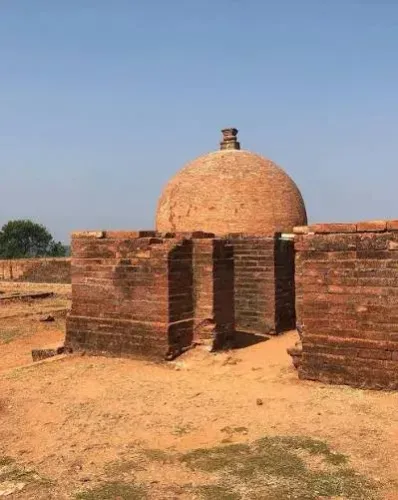
Delegates participated in the 'Ek Ped Maa Ke Naam' plantation drive and visited the Thotlakonda Buddhist Monastery .
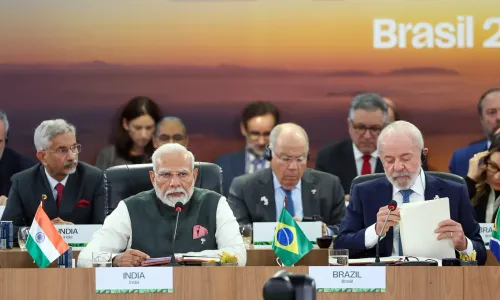
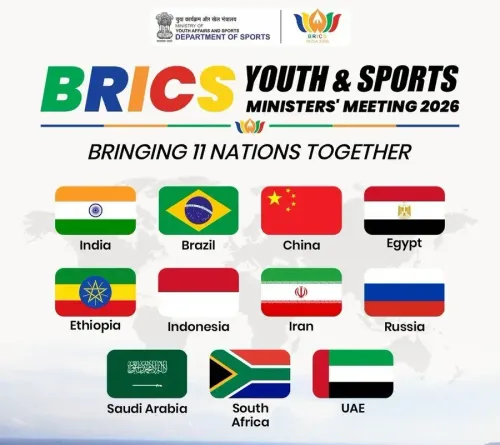
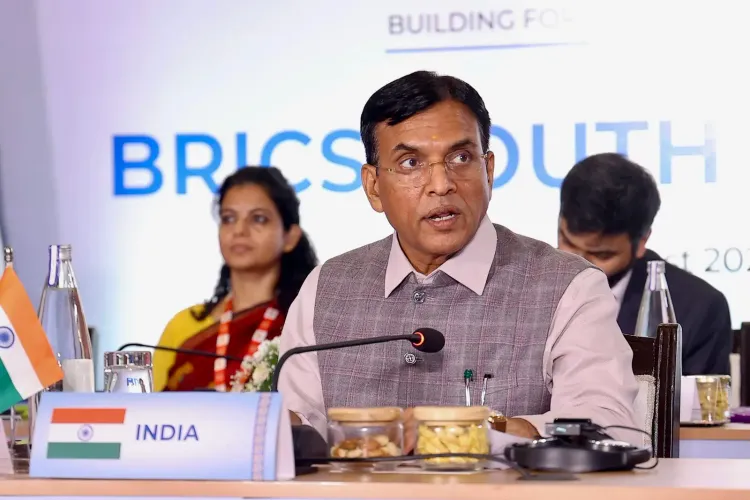
BRICS Youth Ministers concluded a landmark meeting in Visakhapatnam on 22 August 2026, with member nations adopting a wide-ranging joint statement aimed at deepening youth cooperation across education, entrepreneurship, health, and sustainability. The gathering, held under India's BRICS Chairship 2026, was led on the Indian side by Union Minister of Youth Affairs and Sports Mansukh Mandaviya and Minister of State Raksha Nikhil Khadse.
Key Outcomes of the Joint Statement
The adopted joint statement spans 11 thematic areas: education, training and skills; youth entrepreneurship; science, technology and innovation; social and cultural participation; volunteering; combating poverty and inequalities; health and sports; environment and sustainability; interfaith dialogue; youth exchange; and youth inclusion. The statement builds directly on outcomes from the BRICS Youth Summit and BRICS Youth Council meeting held in Gandhinagar on 19-20 August.
What India Brought to the Table
Addressing delegates, Mansukh Mandaviya outlined India's youth-focused vision under Prime Minister Narendra Modi, citing a national roadmap targeting 2047 — the centenary of Indian independence. He noted that the Prime Minister has called for developing one lakh young leaders without political backgrounds to realise this vision.
Mandaviya highlighted the MY Bharat platform, describing it as a one-stop destination for volunteering, learning, leadership, and civic engagement. 'Today, more than 25 million youth have registered and are actively participating on this platform,' he said. He also urged a philosophical shift in how governments engage young people: 'Young people must be recognised not merely as beneficiaries, but as active partners in shaping our shared future. Let us move from youth participation to youth partnership; from consultation to co-creation; from programmes for youth to platforms built with youth.'
Bilateral Engagements on the Sidelines
On the margins of the plenary, Mandaviya held bilateral meetings with South Africa's youth minister Sindisiwe Chikunga and the United Arab Emirates' Sultan Al Neyadi. Discussions covered skill development, entrepreneurship, digital platforms, exchange programmes, and capacity-building initiatives — signalling that the BRICS framework is being used to build deeper bilateral ties beyond the multilateral agenda.
Cultural and Environmental Initiatives
Delegates participated in the 'Ek Ped Maa Ke Naam' plantation drive, with each representative planting a sapling in honour of their mothers — a symbolic gesture that was widely appreciated by participants. The group also visited the historic Thotlakonda Buddhist Monastery, drawing connections between India's civilisational heritage and its contemporary role as a convener of global youth dialogue.
Significance for India's BRICS Chairship
The Visakhapatnam meeting is the latest in a series of high-level BRICS engagements under India's chairship theme: 'Building for Resilience, Innovation, Cooperation and Sustainability.' Notably, the inclusion of the UAE in bilateral discussions signals the expanding geometry of BRICS cooperation following the bloc's recent enlargement. The outcomes are expected to feed into the broader BRICS Leaders' Summit later this year.
Point of View
With MY Bharat's 25 million registrations serving as a tangible exhibit. Yet the joint statement's breadth across 11 themes risks diluting focus; multilateral youth declarations historically struggle to move from aspiration to accountability. The UAE bilateral — a non-founding BRICS member — is the more consequential signal, suggesting India is actively using the expanded BRICS architecture to deepen Gulf partnerships. Whether the 'youth partnership over youth participation' framing translates into binding commitments or remains rhetorical will determine the meeting's lasting legacy.
NationPress
7 Oct 2026
Frequently Asked Questions
What was decided at the BRICS Youth Ministers meeting in Visakhapatnam?
BRICS member nations adopted a comprehensive joint statement on 22 August 2026 covering 11 areas including education, entrepreneurship, health, sustainability, and interfaith dialogue. The meeting was held under India's BRICS Chairship 2026 and built on outcomes from the BRICS Youth Summit in Gandhinagar on 19-20 August.
Who represented India at the BRICS Youth Ministers meeting?
Union Minister of Youth Affairs and Sports Mansukh Mandaviya and Minister of State Raksha Nikhil Khadse led the Indian delegation at the Visakhapatnam meeting organised by the Department of Youth Affairs.
What is the MY Bharat platform mentioned at the BRICS meeting?
MY Bharat is India's one-stop digital platform for youth volunteering, learning, leadership, and civic engagement. As of the Visakhapatnam meeting, more than 25 million youth have registered and are actively participating on the platform, according to Minister Mandaviya.
Which countries did India hold bilateral meetings with on the sidelines?
India's Mansukh Mandaviya held bilateral meetings with South Africa's Sindisiwe Chikunga and the UAE's Sultan Al Neyadi. Discussions focused on skill development, entrepreneurship, digital platforms, exchange programmes, and capacity-building initiatives.
What is India's BRICS Chairship 2026 theme?
India's BRICS Chairship 2026 is organised around the theme 'Building for Resilience, Innovation, Cooperation and Sustainability.' The Visakhapatnam Youth Ministers meeting is one of several high-level engagements under this chairship, with outcomes expected to feed into the BRICS Leaders' Summit later in the year.