BRICS Environment Meet: India flags climate, biodiversity push at New Delhi summit
Synopsis
India used its BRICS Chairship to recast the bloc — historically an economic forum — as a serious multilateral platform on climate and environment. With ministers meeting Tuesday in New Delhi, the real test is whether the 10-member grouping can translate consensus language into binding climate commitments ahead of global negotiations.
Key Takeaways
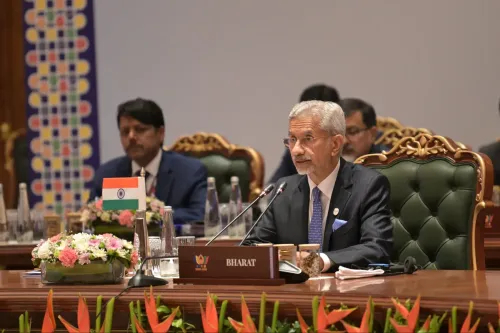
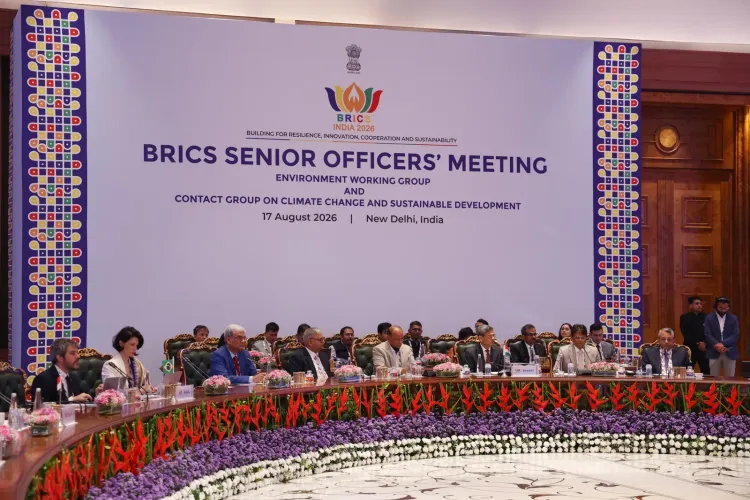
The BRICS Environment Working Group – Senior Officers' Meeting was held on 17 August at Bharat Mandapam, New Delhi .
The meeting was chaired by Tanmay Kumar , Secretary, Ministry of Environment, Forest and Climate Change.
Delegations from 10 BRICS member nations participated, including Brazil, China, Egypt, Ethiopia, Indonesia, Iran, Russia, South Africa, and the UAE.
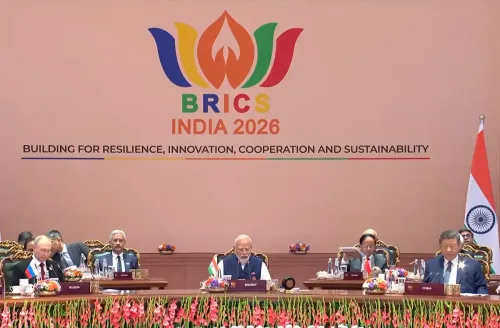
India's BRICS 2026 Chairship theme is 'Building for Resilience, Innovation, Cooperation, and Sustainability', guided by PM Modi's humanity-first vision.
Four priority areas advanced: Sustainable Lifestyles , Afforestation and Disaster Resilience , Circular Economy , and Adaptation .
The 12th BRICS Environment Ministers' Meeting is scheduled for 18 August in New Delhi.
India on Monday, 17 August underscored the growing significance of the BRICS alliance as a platform for addressing pressing environmental challenges — from pollution and biodiversity loss to global warming — as the bloc's senior environment officials gathered in New Delhi for a high-level working group meeting. The session marked a pivotal moment in India's year-long stewardship of the grouping as BRICS Chair 2026.
Key Developments at Bharat Mandapam
The BRICS Environment Working Group – Senior Officers' Meeting was held at Bharat Mandapam, New Delhi, and chaired by Tanmay Kumar, Secretary, Ministry of Environment, Forest and Climate Change. Delegations from all current BRICS member countries participated, including Brazil, China, Egypt, Ethiopia, Indonesia, Iran, Russia, South Africa, and the United Arab Emirates (UAE).
In his keynote address, Kumar stated that 'our partnership has broadened in terms of relevance to sustainable development, climate resilience and adaptation, resource efficiency and circular economy, as well as environmental governance.' The remark signals a deliberate effort by India to reframe BRICS not merely as an economic bloc but as a multilateral voice on ecological issues.
India's Chairship Vision
Kumar informed delegates that BRICS 2026 has been shaped by Prime Minister Narendra Modi's vision that global cooperation must remain people-centric, advancing what the government describes as a 'humanity-first approach.' This philosophy is embedded in India's Chairship theme: 'Building for Resilience, Innovation, Cooperation, and Sustainability'.
India has sought to integrate ecological sustainability with development goals — a balance that developing economies within BRICS have long argued is non-negotiable. The approach reflects a broader Indian foreign-policy posture that frames climate action through the lens of equity and common but differentiated responsibilities.
Four Priority Areas Advanced Under India's Leadership
Over the course of India's Chairship, the Environment Working Group and the Contact Group on Climate Change and Sustainable Development have together pushed forward cooperation across four interconnected priority areas:
1. Promoting Sustainable Lifestyles
2. Afforestation, Forest Fire Management and Disaster Resilience
3. Circular Economy
4. Adaptation
Participating delegations congratulated India for its leadership, citing productive deliberations conducted under an atmosphere of 'mutual respect, trust and consensus-based decision making,' according to the meeting's proceedings.
What Comes Next
The 12th BRICS Environment Ministers' Meeting is scheduled for Tuesday, 18 August, also in New Delhi. The ministerial-level session is expected to consolidate the outcomes from Monday's senior officers' discussions and potentially issue a joint communiqué on climate cooperation. The meeting will be closely watched for signals on how BRICS — now a significantly expanded grouping — intends to position itself ahead of COP31 and other upcoming multilateral climate negotiations.
Point of View
While Ethiopia and Egypt are primarily climate-vulnerable recipients. Consensus language on 'circular economy' and 'sustainable lifestyles' is easy to agree on in a working-group room; binding commitments are another matter. The real signal will come from Tuesday's ministerial meeting: whether the joint outcome document contains measurable targets or remains aspirational. India's presidency has been competent on process, but the gap between BRICS rhetoric and verifiable climate action remains wide.
NationPress
1 Oct 2026
Frequently Asked Questions
What was the BRICS Environment Working Group meeting held on 17 August about?
The meeting brought together senior environment officials from all 10 BRICS member nations in New Delhi to advance cooperation on climate change, biodiversity loss, pollution, and sustainable development. It was chaired by Tanmay Kumar, Secretary of India's Ministry of Environment, Forest and Climate Change.
Which countries participated in the BRICS Environment Working Group meeting?
Delegations from Brazil, China, Egypt, Ethiopia, Indonesia, Iran, Russia, South Africa, and the United Arab Emirates participated alongside host nation India at the Bharat Mandapam meeting.
What is India's BRICS 2026 Chairship theme?
India's theme is 'Building for Resilience, Innovation, Cooperation, and Sustainability.' It reflects PM Modi's stated vision of people-centric global cooperation and integrates ecological sustainability with development objectives.
What are the four environmental priority areas India advanced during its BRICS Chairship?
The four areas are: Promoting Sustainable Lifestyles; Afforestation, Forest Fire Management and Disaster Resilience; Circular Economy; and Adaptation. These were developed jointly by the Environment Working Group and the Contact Group on Climate Change and Sustainable Development.
What happens after the Senior Officers' Meeting?
The 12th BRICS Environment Ministers' Meeting is scheduled for 18 August in New Delhi. It is expected to consolidate outcomes from the senior officials' discussions and could produce a joint statement on climate and environment cooperation.