Why Did BRS Reject the Centre’s Proposed Seeds Bill as ‘Anti-Farmer’?
Synopsis
In a bold statement, K. T. Rama Rao of BRS condemns the Union Government's Seed Bill, labeling it as 'anti-farmer.' He argues for farmer-centric reforms and highlights the dangers posed by corporate interests in agriculture, calling for immediate action and consultation with stakeholders. This article delves into the implications of the proposed legislation.
Key Takeaways
BRS rejects Seed Bill, calling it 'anti-farmer.' Corporate interests prioritized over farmers.
State control over seed pricing diminished.
Call for detailed discussions with stakeholders .
Amendments proposed to ensure farmer welfare .
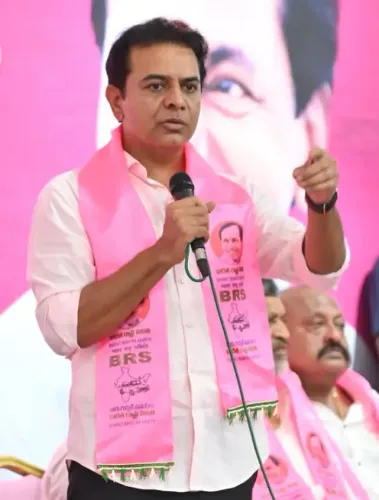
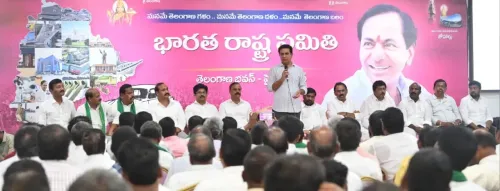
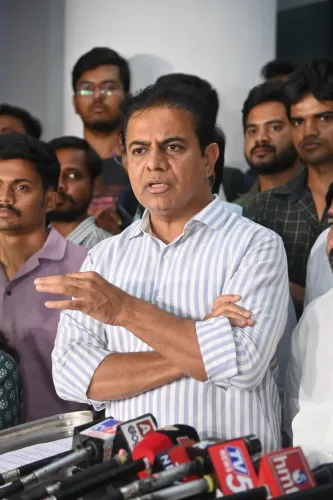
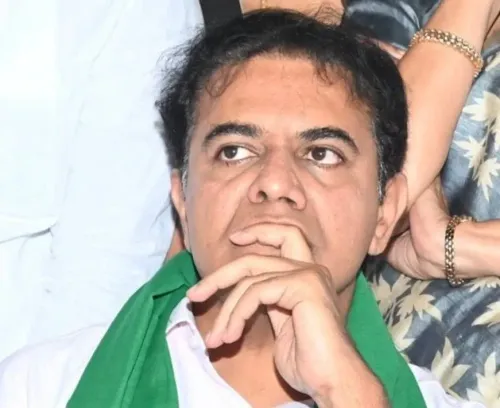
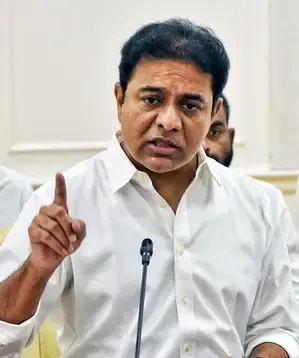
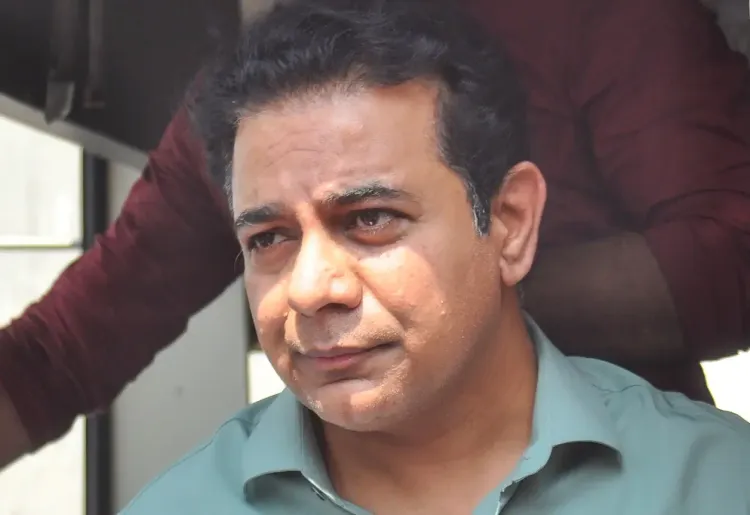
Hyderabad, Dec 11 (NationPress) K. T. Rama Rao, the working president of the Bharat Rashtra Samithi (BRS), has characterized the Seed Bill introduced by the Union Government as 'anti-farmer' and announced that his party will not endorse it.
Rama Rao expressed that the proposed Seeds Bill prioritizes the interests of corporate entities over those of farmers, demanding that it be halted without delay.
KTR, a well-known figure in the BRS, insisted that any forthcoming Seeds Bill should prioritize the farmer's needs and focus on their welfare.
He pointed out that the Bill diminishes the involvement of State Governments in seed regulation, advocating for collective opposition against it.
Rama Rao urged the Union Government to engage in comprehensive discussions with farmers' organizations, agricultural experts, and political factions prior to advancing this Bill.
KTR revealed that the BRS has already provided extensive feedback regarding the draft Seeds Bill suggested by the Centre.
He reiterated that the BRS vehemently contests the draft Seeds Bill by the Union Government, citing that it poses significant threats to farmers' livelihoods. Thus, he called for the Centre to entirely abandon this Bill and to only proceed after consulting with farmers, their unions, experts, and political entities.
KTR highlighted that the Bill lacks definitive strategies to combat the issue of spurious seeds, and fails to ensure timely compensation for farmers impacted by counterfeit seeds.
Moreover, he noted that the Bill permits corporate firms to manipulate seed pricing, erasing the authority previously held by state governments in regulating these prices.
KTR criticized the Bill for inadequately holding companies responsible for producing counterfeit seeds, placing the burden solely on sellers and the supply chain.
He added that the legislation does not incorporate robust mechanisms for blacklisting companies nationwide or imposing significant penalties and prison terms for offenses related to fake seeds.
KTR acknowledged that many farmers across India still practice traditional methods of saving and growing their own seeds, yet this Bill offers no protection for such groups.
He also remarked that the Bill features provisions that facilitate foreign companies to market their seeds domestically without adequate trials, jeopardizing the nation's seed security and sovereignty.
According to KTR, the legislation disregards the role of State Governments and agricultural institutions, effectively allowing the Centre to monopolize crucial agricultural matters, thus undermining states' abilities to legislate according to their unique conditions.
KTR concluded by asserting that the responsibility of crafting a Seeds Bill centered around farmers rests with the Union Government, urging them to abandon any attempts to transfer control to corporate entities under the guise of 'ease of doing business'.
He explained that the amendments proposed by the party advocate for seed sovereignty, national biosafety, and the necessity of preventing central dominance over state issues.
Furthermore, he suggested incorporating stringent provisions to guarantee that farmers suffering losses due to counterfeit seeds receive compensation based on the maximum potential yield per acre within a predetermined timeframe.
Point of View
The ongoing debate surrounding the Seed Bill reflects a significant concern for farmers’ rights and agricultural sovereignty. The BRS's opposition highlights the necessity for inclusive dialogue among stakeholders to ensure that legislation prioritizes the well-being of farmers over corporate interests. This situation warrants careful scrutiny as it unfolds.
NationPress
10 Oct 2026
Frequently Asked Questions
What are the main concerns regarding the proposed Seed Bill?
The main concerns include prioritization of corporate interests over farmers, lack of provisions to combat spurious seeds, and diminished state government control over seed pricing.
How does the BRS plan to respond to the Seed Bill?
The BRS intends to reject the Bill and push for amendments that prioritize farmer welfare and ensure accountability for seed quality.
What impact could the Seed Bill have on farmers?
If passed, the Bill could negatively affect farmers by limiting their rights to save and use seeds, and it could lead to increased prices due to corporate control.
What is K. T. Rama Rao's stance on the Bill?
K. T. Rama Rao has labeled the Bill as 'anti-farmer' and is calling for its withdrawal until there are thorough consultations with relevant stakeholders.
What is the importance of farmer consultations in legislation?
Consultations ensure that legislation addresses the actual needs and concerns of farmers, leading to more effective and equitable agricultural policies.