BSF ASI dies by suicide at Jammu's Paloura camp, probe launched
Synopsis
A BSF Assistant Sub-Inspector died by suicide at Jammu's Paloura camp on 14 June, hours after returning from leave — the latest in a documented crisis that has claimed over 730 CAPF lives between 2020 and 2024. The numbers, tabled in Parliament, expose a systemic failure in welfare delivery for India's frontline paramilitary personnel.
Key Takeaways
BSF ASI Lal Singh , a native of Madhya Pradesh , allegedly died by suicide at Paloura camp, Jammu on 14 June .
He had rejoined duty on 13 June after a month-long leave; his service rifle was allegedly used.
An inquest has been launched; his body was sent for post-mortem examination.
Between 2020 and 2024 , 730 CAPF personnel across the BSF, CRPF, NSG, and Assam Rifles died by suicide.
Over 800 defence personnel have died by suicide since 2017 , according to data tabled in Parliament.
Government interventions include the Mansik Sahayata Helpline , MILAP and SAHYOG programmes, and deployed counsellors — but implementation gaps persist.
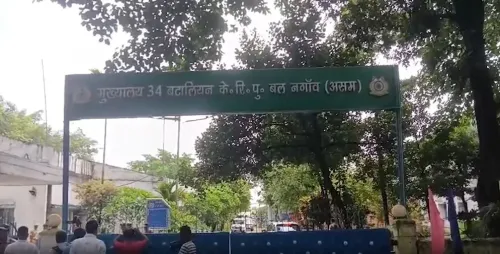
A Border Security Force (BSF) Assistant Sub-Inspector (ASI), identified as Lal Singh, a native of Madhya Pradesh, allegedly died by suicide on Sunday, 14 June inside the Paloura camp on the outskirts of Jammu, using his service rifle. Senior BSF officials and police reached the site promptly, and an inquest has been initiated to determine the circumstances behind the incident.
What Happened at Paloura Camp
According to officials, ASI Lal Singh had returned to duty on 13 June after availing a month-long leave. He was posted at the Paloura camp, a BSF installation on the city's outskirts in Jammu and Kashmir. His body was shifted to a hospital for post-mortem examination, and inquest proceedings have been commenced as authorities work to ascertain what led him to take the extreme step.
A Deepening Crisis in Security Forces
The incident is part of a deeply troubling pattern across India's central armed police forces. Between 2018 and 2022, data from the Ministry of Home Affairs (MHA) revealed that 654 CAPF personnel — drawn from forces including the CRPF, BSF, NSG, and Assam Rifles — died by suicide. A separate report covering 2020 to 2024 placed that figure at 730 personnel across the same forces.
According to data tabled in Parliament, more than 800 defence personnel have lost their lives to suicide since 2017, with the Indian Army consistently reporting the highest numbers among the service branches. In conflict and anti-Naxal zones such as Chhattisgarh, 177 security personnel died by suicide between 2019 and mid-2025.
Systemic Stressors Behind the Numbers
Investigations into such incidents repeatedly surface a cluster of institutional and personal pressures. Prolonged postings in conflict zones without adequate rest, harsh living conditions, long duty hours, and the absence of 'peace postings' for several paramilitary units are among the structural drivers. Leave denials during family emergencies, marital discord, and health concerns compound individual distress, according to officials and welfare reports.
Government Interventions So Far
The Ministry of Home Affairs has constituted specialised task forces to study at-risk groups and recommend preventive protocols. Trained psychological counsellors have been deployed across units, and institutional programmes such as MILAP and SAHYOG are operational. Dedicated helplines — including the Mansik Sahayata Helpline for the Army and Air Force — have been established. Periodic welfare meetings, regulated duty hours, and air travel provisions for personnel in remote postings such as Jammu and Kashmir and the Northeast are also part of the remedial framework.
Despite these measures, the frequency of such deaths points to gaps in implementation that authorities have yet to close. The probe into ASI Lal Singh's death is ongoing.
Point of View
With the Army leading the count, signals that welfare interventions like MILAP and SAHYOG are not reaching personnel at the sharpest edge of distress. The structural problem — indefinite conflict-zone postings, denied leave, no peace-posting rotation for paramilitary units — has been identified in every official review but has not been systematically resolved. Helplines and counsellors matter; mandatory rest cycles and transparent leave policies would matter more.
NationPress
19 Sept 2026
Frequently Asked Questions
Who was the BSF officer who died by suicide in Jammu?
The officer was ASI Lal Singh , a junior-level Border Security Force personnel and a native of Madhya Pradesh, posted at the Paloura camp on the outskirts of Jammu. He allegedly used his service rifle and was found dead inside the camp on 14 June.
What is the status of the investigation?
Senior BSF officials and police reached the Paloura camp immediately after receiving information. The body has been shifted to a hospital for post-mortem, and inquest proceedings have been initiated to determine the circumstances that led to the incident.
How widespread is the problem of suicide among Indian security forces?
According to data tabled in Parliament, over 800 defence personnel have died by suicide since 2017. Between 2020 and 2024 alone, 730 personnel across the CRPF, BSF, NSG, and Assam Rifles died by suicide, with the Indian Army consistently reporting the highest numbers.
What steps has the government taken to address mental health in the forces?
The Ministry of Home Affairs has set up task forces to study at-risk groups, deployed psychological counsellors, and launched programmes such as MILAP and SAHYOG. Dedicated helplines like the Mansik Sahayata Helpline for Army and Air Force personnel, along with regulated duty hours and air travel provisions for remote postings, are also in place.
What are the main stressors identified in such cases?
Official investigations and welfare reports point to prolonged postings in conflict zones, harsh living conditions, long working hours, lack of peace postings for paramilitary units, and leave denials during family emergencies. Personal factors such as marital discord and health concerns also contribute to distress.