How Does Budget 2026 Enhance the Govt’s ‘Purvodaya’ Initiative for North-East Development?
Synopsis
Budget 2026-27 unveils ambitious plans to enhance tourism and infrastructure in the North-East as part of the 'Purvodaya' initiative, aiming for holistic development of the region. With a focus on cultural preservation and economic growth, the government aims to position Eastern India as a key driver of the nation's development.
Key Takeaways
Focus on tourism development in five Purvodaya states.
Establishment of a National Institute of Food Technology in Bihar.
Investment in infrastructure through the East Coast Industrial Corridor.
Creation of Buddhist circuits to enhance cultural heritage.
Boosting local economies through various initiatives.
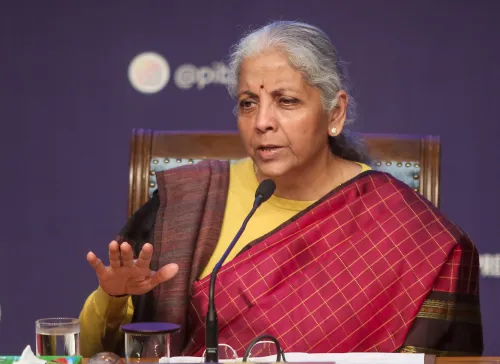
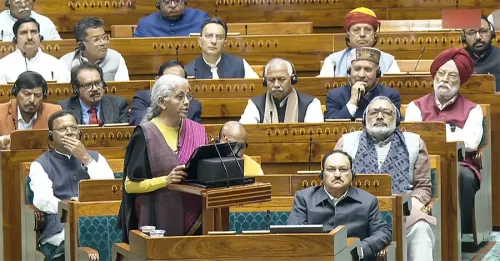
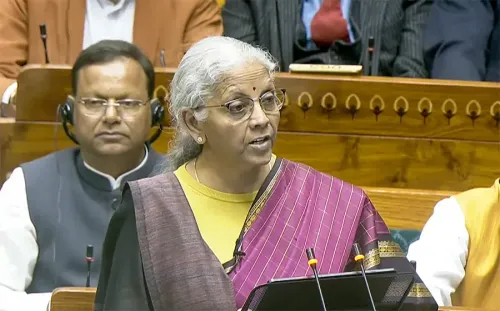
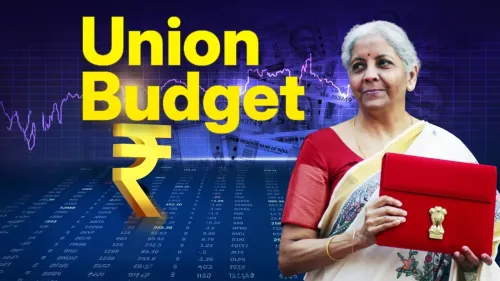
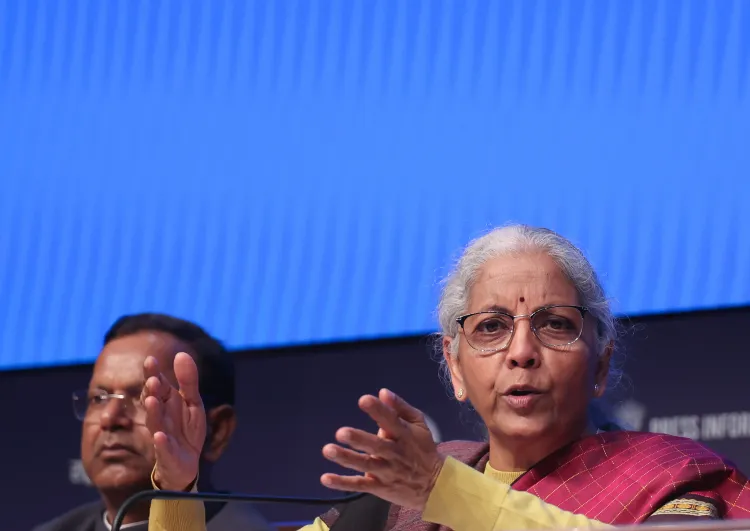
New Delhi, Feb 1 (NationPress) Finance Minister Nirmala Sitharaman, during her ninth consecutive Union Budget presentation on Sunday, emphasized the Centre’s ‘Purvodaya’ (Rise of East) initiative. The proposed Budget 2026-27 includes plans for developing tourism hubs in five Purvodaya states, with an emphasis on the East Coast Industrial Corridor that highlights local culture, heritage, and natural attractions.
She also revealed plans to create Buddhist circuits in Arunachal Pradesh, Sikkim, Assam, Manipur, Mizoram, and Tripura to promote the region's cultural heritage.
These initiatives are designed to enhance infrastructure, stimulate tourism, improve public transport, and safeguard cultural heritage within the Purvodaya states (Northeast) region.
“To fulfill our commitment to ‘Purvodaya’, we will establish a National Institute of Food Technology, Entrepreneurship and Management in Bihar,” she stated in her Budget address.
This institute is anticipated to significantly boost food processing activities throughout the eastern region, leading to increased income for farmers through value addition to their products, along with creating skilling, entrepreneurship, and job opportunities for the youth.
Furthermore, FM Sitharaman proposed the creation of an integrated East Coast Industrial Corridor with a well-connected hub at Durgapur, the establishment of five tourism destinations in the five 'Purvodaya' states, and the provision of 4,000 e-buses.
The Purvodaya scheme was initiated to harness the rich cultural heritage and natural resources of Eastern India, targeting comprehensive development of the eastern region, which encompasses Bihar, Jharkhand, West Bengal, Odisha, and Andhra Pradesh.
This holistic approach emphasizes human resource development, infrastructure improvement, and economic opportunities, aiming to propel the region towards becoming a key contributor to the vision of ‘Viksit Bharat’ (Developed India).
The scheme aspires to transform Eastern India into a significant contributor to the Prime Minister’s objective for ‘Viksit Bharat 2047’. The Purvodaya initiative was first introduced by the Centre in Budget 2024. Other commitments include a dedicated freight corridor linking Dankuni in West Bengal to Surat in Gujarat.
Another proposed corridor will link Siliguri in northern Bengal to Varanasi.
The Finance Minister also announced the establishment of a makhana board in Bihar to enhance production, processing, value addition, and marketing.
“Individuals involved in these activities will be organized into FPOs (Farmer Producer Organisations). The board will offer training and support to makhana farmers, ensuring they benefit from all relevant government schemes,” she added.
Additionally, four states, including Odisha, Kerala, Andhra Pradesh, and Tamil Nadu, will establish dedicated rare earth corridors. Notably, a substantial portion of the world's rare earth refining capacity is currently held by China, which has imposed stringent export controls.
The Budget also focused on advancing India’s North-East. Addressing the Buddhist sites in the North-Eastern Region, Sitharaman pointed out that this area is a civilizational confluence of Theravada and MahayaVajrayana traditions.
The Finance Minister proposed launching a scheme for developing Buddhist circuits in Arunachal Pradesh, Sikkim, Assam, Manipur, Mizoram, and Tripura. This initiative will encompass the preservation of temples and monasteries, pilgrimage interpretation centers, connectivity enhancement, and amenities for pilgrims.
Point of View
The government aims to uplift the region while creating economic opportunities. The emphasis on tourism and local culture is a strategic move that could yield long-term benefits for the North-East.
NationPress
19 Sept 2026
Frequently Asked Questions
What is the Purvodaya initiative?
The Purvodaya initiative, meaning 'Rise of East', is a government scheme aimed at leveraging the cultural heritage and natural resources of Eastern India for comprehensive regional development.
What are the key features of Budget 2026-27?
Budget 2026-27 focuses on developing tourism destinations, enhancing infrastructure, establishing a National Institute of Food Technology in Bihar, and creating an integrated East Coast Industrial Corridor.
How will the Budget benefit the North-East region?
The Budget aims to boost tourism, improve public transport, and preserve cultural heritage in the North-East, while also enhancing economic opportunities for local communities.
What role does the government see for the North-East in India's development?
The government envisions the North-East as a key contributor to the 'Viksit Bharat 2047' goal, promoting economic growth and cultural enrichment in the region.
What is the significance of establishing Buddhist circuits?
Establishing Buddhist circuits will promote cultural heritage, enhance connectivity, and improve amenities for pilgrims in the North-Eastern states.