CM Saini Hails Cabinet Nod for ITLA, India's New Transport Regulator
Synopsis
The Union Cabinet approved the Integrated Transport and Logistics Authority (ITLA) on 6 October 2026, creating a unified body to coordinate India's multi-modal transport ecosystem. Haryana CM Nayab Singh Saini praised the decision as a visionary step by PM Modi toward a more capable national logistics framework.
Key Takeaways
The Union Cabinet approved the establishment of the Integrated Transport and Logistics Authority (ITLA) on 6 October 2026 .
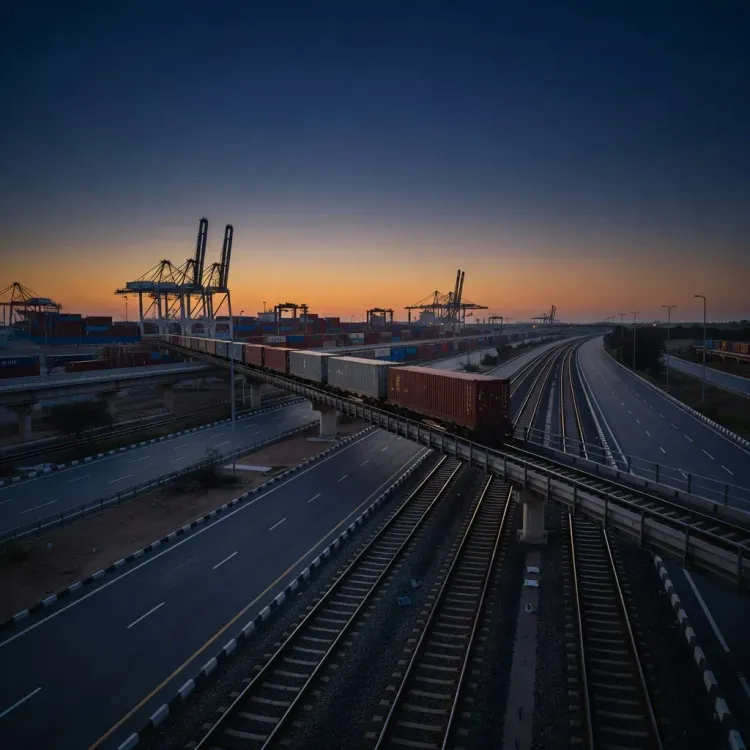
ITLA will function as a single coordinating body across road, rail, ports, waterways, and aviation to eliminate inter-ministerial silos.
Its mandate covers better coordination of transport schemes, promotion of multi-modal connectivity , and improved project planning, monitoring, and implementation.
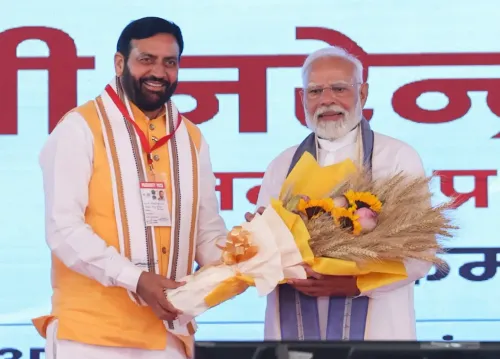
Haryana CM Nayab Singh Saini welcomed the decision, calling it an important and visionary initiative by PM Narendra Modi .
The approval builds on earlier frameworks including PM Gati Shakti and the National Logistics Policy (2022) .
Execution and on-ground implementation will determine whether ITLA delivers on its integrated-coordination promise.
India's fragmented transport and logistics landscape is about to get a powerful new nerve centre. On Tuesday, 6 October 2026, the Union Cabinet — under the leadership of Prime Minister Narendra Modi — approved the establishment of the Integrated Transport and Logistics Authority (ITLA), a unified body designed to bring coherence to the country's sprawling multi-modal movement ecosystem. Haryana Chief Minister Nayab Singh Saini welcomed the decision with an effusive post on X, calling it a landmark step toward a smarter, stronger India.
What ITLA Is Built to Fix
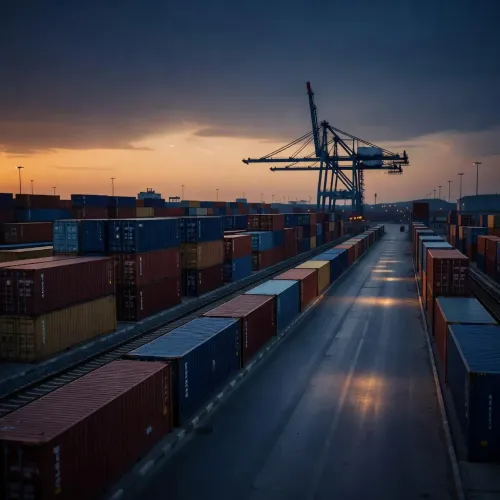
India's transport system has long operated in silos — railways, roadways, ports, inland waterways, and aviation each governed by separate ministries with limited cross-sector coordination. The result: overlapping schemes, delayed projects, and a logistics cost burden that consistently outpaces global benchmarks. ITLA is conceived as the single authority that bridges these silos, mandated to improve coordination across transport-related schemes, promote multi-modal connectivity, and ensure sharper planning, monitoring, and implementation of infrastructure projects.
CM Saini, posting in Hindi, described the Cabinet approval as 'parivahan evam logistics kshetra mein behtar samanvay ki disha mein mahatvapurn kadam' — 'an important step toward better coordination in the transport and logistics sector' — and expressed gratitude to the Prime Minister for what he called a 'visionary initiative' that will make India's transport architecture more capable and robust.
Why Multi-Modal Connectivity Is the Core Bet
The emphasis on multi-modal connectivity inside ITLA's mandate is deliberate. Moving freight or passengers seamlessly across road, rail, air, and water — without bureaucratic handoffs between ministries — can compress logistics timelines and reduce costs significantly. A single coordinating authority with planning and oversight powers over projects spanning multiple transport modes is the structural fix successive governments have studied but not yet institutionalised. The Cabinet's October 2026 approval marks the first formal attempt to put that architecture in place.
For a state like Haryana — a landlocked industrial and agricultural hub criss-crossed by national highways and freight corridors linking Delhi to the rest of north India — a more efficiently coordinated national logistics network carries direct economic consequence. Saini's enthusiasm, then, is as much about Haryana's interests as it is about national policy.
A Modi-Era Infrastructure Pivot
The ITLA approval slots into a longer arc of infrastructure consolidation under the current government: the PM Gati Shakti National Master Plan, the National Logistics Policy (2022), and successive expansions of dedicated freight corridors have all pointed toward an integrated transport future. ITLA appears to be the institutional capstone — the regulatory roof over what had been a set of well-funded but loosely connected policy pillars.
Whether the new authority translates blueprint into execution at the speed the economy demands will be the real test. India has a strong record of announcing ambitious transport frameworks; the harder work is always the last mile of implementation.
ITLA is now live on paper. The clock starts on delivery.
Frequently Asked Questions
What is ITLA and what will it do?
ITLA, the Integrated Transport and Logistics Authority, is a new body approved by the Union Cabinet on 6 October 2026 to coordinate India's transport and logistics sector across road, rail, ports, waterways, and aviation, improving project planning, monitoring, and multi-modal connectivity.
When did the Cabinet approve ITLA?
The Union Cabinet approved the establishment of ITLA on 6 October 2026 under the leadership of Prime Minister Narendra Modi.
Why did Haryana CM Nayab Singh Saini welcome the ITLA decision?
CM Saini praised ITLA as a visionary initiative that will bring better coordination to India's transport schemes, promote multi-modal connectivity, and ensure more effective implementation of transport infrastructure projects.
How does ITLA relate to PM Gati Shakti?
ITLA appears to serve as an institutional capstone to the Gati Shakti National Master Plan and the National Logistics Policy (2022), providing a single coordinating authority over transport modes that these earlier frameworks sought to integrate.
What is multi-modal connectivity and why does ITLA focus on it?
Multi-modal connectivity means the seamless movement of freight or passengers across road, rail, water, and air without bureaucratic handoffs. ITLA's focus on it aims to reduce India's logistics costs and compress project timelines by eliminating inter-ministerial silos.