CAG Warns of Fiscal Stress Risks Despite Moderate Growth in Odisha
Synopsis
The CAG's recent report on Odisha's finances warns of significant fiscal stress risks even as the state shows moderate growth. Key issues include low tax mobilisation, rising subsidies, and unpaid dividends from public sector enterprises, raising concerns over future development capabilities.
Key Takeaways
Odisha's economy grew by 11.4% in FY 2024-25.
Revenue surplus stood at Rs 22,651 crore .
Fiscal deficit remained within the 3% GSDP ceiling.
Concerns over low tax mobilisation and high subsidy costs.
State enterprises failed to remit Rs 5,146.76 crore in dividends.
Bhubaneswar, March 31 (NationPress) The Comptroller and Auditor General of India (CAG) announced on Tuesday that Odisha experienced moderate economic growth in 2024–25 in comparison to the prior fiscal year. However, it raised alarms regarding potential fiscal stress due to factors such as insufficient revenue realisation, weak own-tax collection, inadequate dividend receipts, lingering loan obligations, and significant repayment duties.
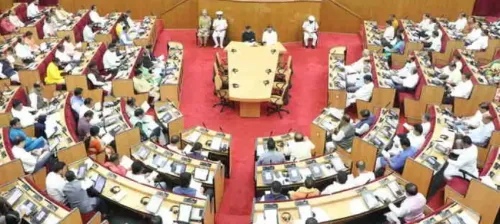
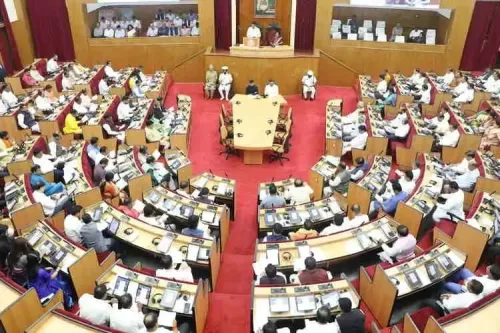
The State Finances Audit Report for the Odisha government, presented in the State Assembly, indicated that the overall fiscal condition of the state remained stable, characterised by controlled deficits, manageable debt levels, and a continued revenue surplus.
Despite this stability, the report highlighted potential fiscal threats that, if ignored, could severely limit the state’s ability to engage in development and capital investment.
It was reported that Odisha's economy achieved a moderate growth rate of 11.4 percent in FY 2024-25 compared to the previous fiscal year.
Moreover, the Gross State Domestic Product (GSDP) at current prices grew at a compound annual growth rate of 13.3 percent, rising from Rs 5,40,185 crore in 2020-21 to Rs 8,90,038 crore in 2024-25.
In 2024–25, the state recorded a revenue surplus of Rs 22,651 crore (2.54 percent of GSDP).
The fiscal deficit was noted at Rs 25,042 crore (2.81 percent of GSDP), remaining comfortably within the three percent GSDP ceiling.
Total liabilities were recorded at 15.48 percent of GSDP, significantly below the allowable limit of 25 percent.
While revenue receipts grew by 2.43 percent to Rs 1,83,963 crore in 2024–25, the report indicated a decline in revenue buoyancy to 0.21 percent and own tax buoyancy to 0.02 percent, demonstrating a troubling lag in revenue generation relative to economic growth.
This situation underscores a significant weakness in the state’s tax mobilisation capabilities.
Additionally, the report expressed concerns regarding escalating subsidy expenditure, which rose sharply to Rs 9,134 crore in 2024-25. This amount exceeded the budget estimate of Rs 8,068 crore and represented a staggering increase of Rs 5,011 crore (121.54 percent) compared to the previous year, largely driven by major welfare initiatives.
Another issue highlighted was the failure of State Public Sector Enterprises to remit dividends.
According to the state's dividend policy, State Public Sector Undertakings (SPSUs) are required to pay annual dividends to the state government, calculated as 30 percent of either their Profit After Tax (PAT) or the state government’s equity, whichever is higher. The report noted that 27 SPSUs, despite reporting profits, failed to pay Rs 5,146.76 crore in required dividends to the state government as per the Finance Department's instructions.
Furthermore, a high concentration of liabilities amounting to Rs 76,642 crore (56 percent) is due within the next seven years, creating refinancing and liquidity challenges for the state budget.
While debt sustainability showed improvement until 2022–23, it has since weakened, highlighting the necessity for fiscal prudence and aligning debt growth with GSDP to guarantee long-term sustainability.
The CAG also pointed to inaccuracies in assessing requirements and inadequate capacity for utilizing budget allocations effectively.
Audits revealed instances of inflated provisions, incorrect proposals, unwarranted enhancements, unrealistic budgeting, and unnecessary supplementary allocations, resulting in continued underutilization and surrender of funds.
Point of View
The CAG's report underscores critical challenges in fiscal management for Odisha. While moderate growth is a positive sign, the highlighted risks call for immediate action to enhance revenue generation and ensure sustainable development.
NationPress
26 Sept 2026
Frequently Asked Questions
What does the CAG report indicate about Odisha's fiscal health?
The report indicates stable fiscal health but raises concerns about potential fiscal stress due to low revenue generation and rising debts.
What is the growth rate of Odisha's economy for FY 2024-25?
Odisha's economy recorded a growth rate of 11.4% in FY 2024-25.
How much is the revenue surplus reported for Odisha?
The revenue surplus for Odisha in 2024-25 is Rs 22,651 crore.
What are the main concerns highlighted in the CAG report?
Main concerns include low own-tax collection, rising subsidy expenses, and non-remittance of dividends by state enterprises.
What is the fiscal deficit of Odisha as per the report?
The fiscal deficit is reported at Rs 25,042 crore, which is 2.81% of GSDP.