Why Did Calcutta HC Question Bengal Police's Actions Against Mahua Moitra's Critic?

Synopsis
In a significant legal development, the Calcutta High Court scrutinized the actions of the Krishnanagar Police regarding a social media post linked to Trinamool Congress MP Mahua Moitra. The case raises questions about police conduct and political influence in law enforcement.
Key Takeaways
Calcutta High Court questions police actions.
FIR filed against Rishi Bagri over a social media post.
Legal arguments focus on the validity of the FIR.
Next hearing set for February 19 .
Political influence on law enforcement is under scrutiny.
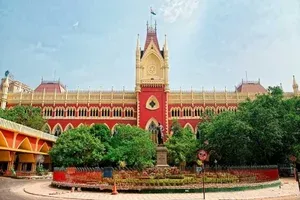
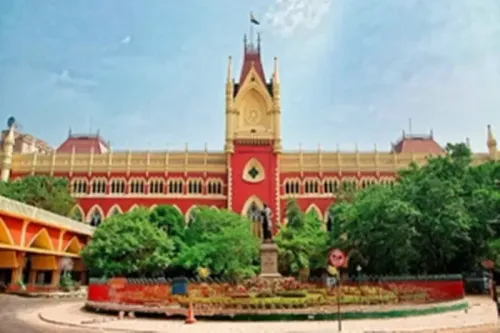
Kolkata, Feb 16 (NationPress) A single-judge bench of the Calcutta High Court questioned the actions taken by the Krishnanagar Police in Nadia district of West Bengal against an individual for a social media post related to Trinamool Congress Lok Sabha member Mahua Moitra.
The individual, Rishi Bagri, appeared before the single-judge bench led by Justice Jay Sengupta, claiming that the police hurriedly filed an FIR against him following a complaint lodged by a Lok Sabha member of the ruling Trinamool Congress.
During the hearing on Monday, the petitioner's lawyer informed the court that the Krishnanagar Kotwali Police Station filed the FIR based on a complaint received via email at 3:25 a.m. on February 7.
The complaint accused Bagri of making a social media post involving Mahua Moitra that was deemed "disrespectful", "derogatory", and "sexually suggestive".
Consequently, the police registered the FIR under various sections of the Bharatiya Nyaya Sanhita, 2023.
The lawyer argued that according to regulations, a complainant filing a digital complaint must physically appear at the police station and sign the complaint.
"In this instance, there was no signature from the complainant even after three days. So how could the FIR be filed? Additionally, the police visited the accused's residence in Noida, Uttar Pradesh, the very next day after the complaint was lodged, which indicates unlawful and unusual behavior on the part of the police," the counsel stated.
Despite not seeking anticipatory bail, the petitioner requested the Calcutta High Court to dismiss the FIR entirely.
The state's legal representative requested additional time to present their arguments.
Justice Sengupta scheduled the next hearing for February 19 and instructed the state police to refrain from taking any coercive action against the petitioner.
At the same time, Justice Sengupta questioned whether the rapid police response was influenced by the fact that the complaint originated from a ruling party MP.
Point of View
We must recognize the delicate balance between law enforcement and political influence. This case highlights the potential misuse of police authority in response to political pressures, raising critical questions about the integrity of our justice system and the protection of individual rights.
NationPress
19 Sept 2026
Frequently Asked Questions
What triggered the Calcutta High Court's involvement?
The court intervened after Rishi Bagri claimed that the Krishnanagar Police acted hastily in registering an FIR against him based on a complaint from MP Mahua Moitra regarding a social media post.
What was the nature of the social media post?
The post was described in the complaint as 'disrespectful', 'derogatory', and 'sexually suggestive' towards Mahua Moitra.
What did the petitioner's lawyer argue?
The lawyer contended that the FIR was improperly filed without the complainant's physical signature, which is required for digital complaints.
What are the next steps in the legal proceedings?
The next hearing is scheduled for February 19, during which the court will further examine the case and has instructed the police not to take coercive action against the petitioner.
How does this case reflect on police conduct?
This case raises concerns about the potential influence of political figures on law enforcement actions and the implications for individual rights and freedoms.