Will the New Calcutta HC Bench Decide on the Dakshineswar Kali Temple's Ownership Status?
Synopsis
The Calcutta High Court is set to hear a pivotal case regarding the ownership status of the Dakshineswar Kali Temple, linked to Shri Ramakrishna Paramahamsa. This could redefine its public or private status amidst allegations of financial mismanagement and irregularities in its administration. The hearing begins on December 17, promising significant implications for the temple's future.
Key Takeaways
The Calcutta HC will determine the Dakshineswar Kali Temple's ownership status.
Allegations of financial misconduct and irregularities have been raised.
The hearing is set for December 17.
Notices have been sent to the Union and West Bengal governments.
Investigations into the temple's management are being called for.
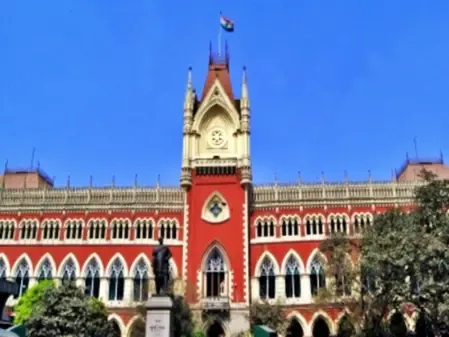
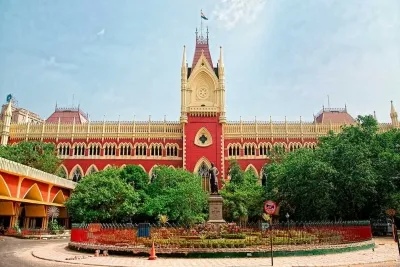
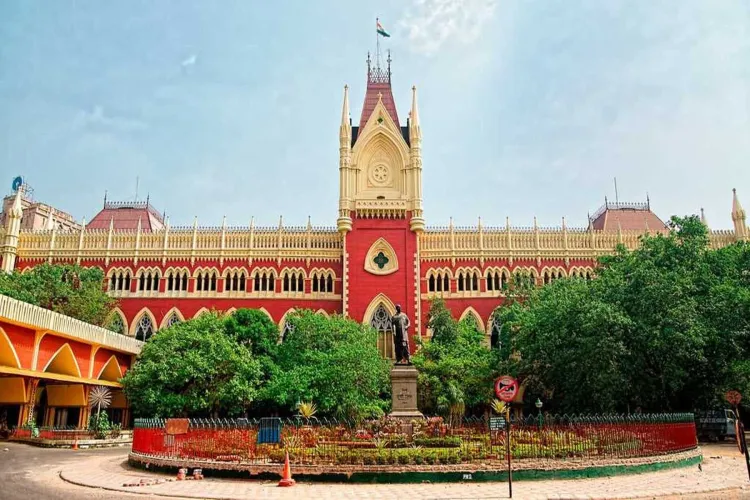
Kolkata, Dec 10 (NationPress) A newly formed division bench at the Calcutta High Court is set to adjudicate the status of the renowned Dakshineswar Kali Temple, located in the North 24 Parganas district of West Bengal, which is historically linked to Shri Ramakrishna Paramahamsa. This bench, comprising Justice Sabyasachi Bhattacharya and Justice Supratim Bhattacharya, will review whether the temple is considered public or private property.
The ownership dispute regarding this significant temple has been ongoing for several years, with no hearings taking place recently. In 2022, a public interest litigation (PIL) was instituted, raising various concerns, including the election process for the temple's trustee board, which was established by the esteemed philanthropist, Rani Rashmoni.
Despite the passage of time with no hearings, all related cases have now been sent to the new division bench, and the principal hearing is scheduled to commence on December 17.
The Calcutta High Court has also instructed that notices be issued to both the Union and West Bengal governments to ascertain whether any financial support has been extended to the temple trust.
In a significant PIL filed three years ago, a faction of the sevayats (priests) and devotees alleged that, despite receiving a total of Rs 130 crore from the state and Rs 20 crore from the central government, the trustee board failed to maintain appropriate financial records.
Furthermore, the petitioners claimed that there were serious discrepancies in the allocation of retail spaces and food stalls within the temple grounds, alongside irregularities in the election of trustee board members.
They have called for a comprehensive investigation into these issues, advocating for either a central agency, such as the Enforcement Directorate (ED), or a judicial committee led by a retired high court judge to oversee the inquiry.
Point of View
I believe that the upcoming hearing on the Dakshineswar Kali Temple's ownership is a crucial moment for transparency and accountability in religious institutions. This case underscores the need for rigorous oversight to ensure that sacred sites are managed appropriately, reflecting both public interest and the values they represent.
NationPress
11 Oct 2026
Frequently Asked Questions
What is the significance of the Dakshineswar Kali Temple?
The Dakshineswar Kali Temple is a prominent spiritual site in India, known for its association with Shri Ramakrishna Paramahamsa, attracting numerous devotees and tourists.
When will the hearing on the temple's ownership status take place?
The hearing is scheduled to begin on December 17.
What allegations have been made against the temple's trustee board?
Allegations include financial mismanagement, irregularities in the election of trustee members, and improper allocation of retail spaces within the temple complex.
What actions have the petitioners requested?
The petitioners have requested a thorough investigation into the allegations, potentially by a central agency or a judicial committee.
Who are the judges presiding over the case?
The case will be heard by Justice Sabyasachi Bhattacharya and Justice Supratim Bhattacharya.