Calcutta HC grants Trinamool conditional access to 3 frozen accounts worth ₹440 crore
Synopsis
The Calcutta High Court has put a retired judge in charge of ₹440 crore sitting in three frozen Trinamool Congress accounts — a court-supervised workaround that keeps the money locked while allowing bare-minimum spending. With the ED raiding Kolkata locations and a rebel MLA faction claiming the funds may be tainted, the battle over TMC's finances is now simultaneously a legal, political, and money-laundering probe.
Key Takeaways
Calcutta High Court on 9 July granted Trinamool Congress conditional access to three party accounts holding ₹440 crore under debit restrictions.
Justice Subrata Talukdar (retired) appointed as special officer to oversee all withdrawals until 30 September .
Funds can only be drawn via cheques signed by two TMC signatories and counter-signed by the special officer; all expenditure must be reported to the court.
The freeze was triggered by a letter from former treasurer Aroop Biswas and a complaint by the rebel faction led by expelled MLA Ritabrata Banerjee , alleging possible proceeds of corruption.
The Enforcement Directorate launched a PMLA probe and raided five locations in Kolkata earlier this week.
The minority faction of TMC, led by Mamata Banerjee and Abhishek Banerjee , had filed the petition after the court earlier declined to lift the restrictions.
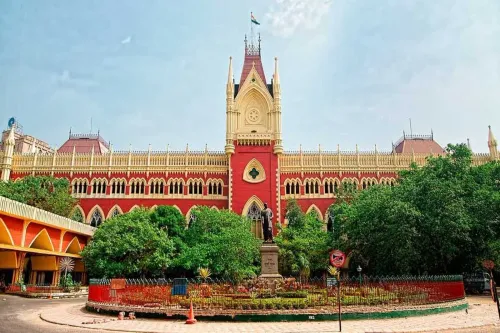
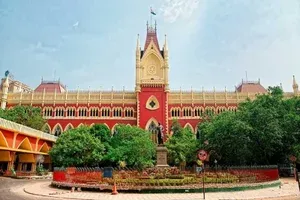
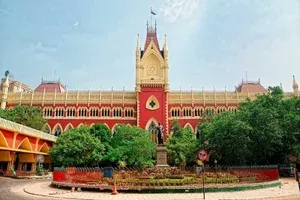
A single-judge bench of the Calcutta High Court on Thursday, 9 July granted the Trinamool Congress (TMC) faction led by former West Bengal Chief Minister Mamata Banerjee conditional and limited access to three party bank accounts carrying total deposits of ₹440 crore, which had been placed under debit restrictions following directives from both the West Bengal Police and the Enforcement Directorate (ED).
What the Court Ordered
Justice Sougata Bhattacharya, presiding over the single-judge bench, heard the TMC's petition challenging the freeze and issued an interim order permitting limited withdrawals. The court appointed Justice Subrata Talukdar (retired) as a special officer to oversee the operation of all three accounts until 30 September.
Under the arrangement, two authorised signatories from the Trinamool Congress may draw funds by signing cheques — but only with the counter-signature of the court-appointed special officer. All expenditure, including legal costs and daily operational expenses, must be routed through this mechanism, and detailed accounts of daily withdrawals must be furnished to the court.
How the Accounts Were Frozen
The debit restrictions originated from two parallel developments. First, Aroop Biswas — the party's former treasurer and former West Bengal Sports and Power Minister — wrote to the bank seeking a freeze, citing fears that the funds could be misused. Shortly after, MLAs belonging to what is described as the 'rebel but majority' faction of the Trinamool Congress Legislature Party, led by expelled MLA Ritabrata Banerjee, approached the West Bengal Police with a similar request, alleging the accounts may contain proceeds of corruption and extortion.
Acting on these complaints, the police directed the bank to impose debit restrictions. When the minority faction led by Mamata Banerjee and Abhishek Banerjee first challenged the move before the Calcutta High Court, the court declined to grant interim relief and left the restrictions in place.
ED Steps In
The Enforcement Directorate subsequently initiated its own investigation, taking cognisance of allegations that proceeds of corruption and extortion may have been routed through the accounts — potentially bringing the matter within the ambit of the Prevention of Money Laundering Act (PMLA). On Tuesday, ED officials conducted raids and searches at five locations in Kolkata in connection with the probe.
The Factional Divide
The dispute lays bare a deepening split within the Trinamool Congress. The 'rebel but majority' faction of the legislature party — which reportedly commands a numerical majority among MLAs — stands in opposition to the leadership of Mamata Banerjee and Abhishek Banerjee, who head the minority faction that filed the petition. The court's interim order does not resolve this underlying contest; it merely provides a supervised mechanism for essential spending while the case proceeds.
What Happens Next
The special officer's oversight of the accounts is in place until 30 September, by which point the court is expected to revisit the matter. The ED's investigation under the PMLA remains ongoing, and further raids or summons cannot be ruled out. The political and legal battle over who controls the Trinamool Congress — and its finances — is far from settled.
Point of View
Not a resolution — it keeps ₹440 crore in legal limbo while a retired judge countersigns every cheque. What the order reveals is the unusual depth of the TMC's internal fracture: a former party treasurer and a bloc of rebel MLAs both sought to freeze their own party's accounts, which is nearly without precedent in Indian politics. The ED's entry under PMLA raises the stakes considerably — once money-laundering jurisdiction is asserted, the political nature of the dispute becomes secondary to criminal procedure. If the agency builds a case, the court's interim arrangement could be overtaken by attachment orders, leaving both TMC factions with nothing to fight over.
NationPress
8 Oct 2026
Frequently Asked Questions
What did the Calcutta High Court order regarding Trinamool Congress bank accounts?
The Calcutta High Court granted the Trinamool Congress faction led by Mamata Banerjee conditional and limited access to three party accounts holding ₹440 crore that had been frozen. Justice Sougata Bhattacharya appointed retired Justice Subrata Talukdar as a special officer to oversee all withdrawals until 30 September, with every cheque requiring his counter-signature.
Why were the Trinamool Congress accounts frozen in the first place?
The accounts were frozen after former TMC treasurer Aroop Biswas wrote to the bank seeking a freeze over fears of fund misuse, and rebel MLAs led by expelled MLA Ritabrata Banerjee filed a police complaint alleging the accounts may hold proceeds of corruption and extortion. West Bengal Police then directed the bank to impose debit restrictions.
What is the Enforcement Directorate's role in this case?
The ED initiated a separate investigation under the Prevention of Money Laundering Act (PMLA) after taking cognisance of allegations that proceeds of corruption and extortion may have been routed through the accounts. ED officials conducted raids at five locations in Kolkata earlier this week as part of this probe.
Who is the 'rebel faction' of the Trinamool Congress mentioned in the case?
The rebel faction refers to a group of MLAs within the Trinamool Congress Legislature Party who reportedly constitute a numerical majority and are led by expelled MLA Ritabrata Banerjee. They are opposed to the party leadership of Mamata Banerjee and Abhishek Banerjee, who head the minority faction that filed the court petition.
How can Trinamool Congress access funds from the three accounts now?
Under the court's interim order, two authorised TMC signatories may draw money by signing cheques, but only if retired Justice Subrata Talukdar — the court-appointed special officer — also counter-signs. All daily expenditure details must be submitted to the court, and the arrangement remains in place until 30 September.