Why Is TN's Cauvery Restoration Project Facing Delays?
Synopsis
The Cauvery River restoration project, aimed at revitalizing Tamil Nadu's ecology and irrigation, is facing significant delays due to administrative challenges. As tensions rise among political leaders, farmers await the project's commencement to restore agricultural viability. Will the project launch in time to benefit the farmers?
Key Takeaways
Rs 14,000-crore budget allocated for restoration.
Project aims to improve irrigation and water quality.
Delays attributed to bureaucratic hurdles.
First phase covers 1,092 km of the Cauvery River.
Political tensions surrounding the project's progress.
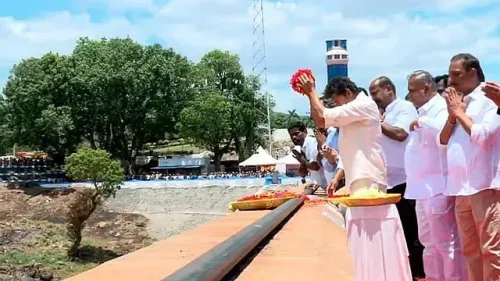
Chennai, Feb 10 (NationPress) The ambitious Rs 14,000-crore Nadanthaai Vaazhi Cauvery River restoration scheme, envisioned as a vital ecological and irrigation resource for Tamil Nadu, is projected to be delayed until after the upcoming Assembly elections due to various administrative and financial challenges, according to senior officials.
This delay has sparked political controversy, as AIADMK General Secretary Edappadi K. Palaniswami has accused the DMK government of intentionally hindering the project.
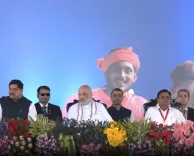
During an NDA election campaign event led by Prime Minister Narendra Modi in Maduranthakam, Palaniswami asserted that the scheme had already received approval from the Centre and criticized the state for inaction. However, senior officials from the Water Resources Department (WRD) clarified that procedural issues, rather than political factors, are causing the slow advancement.
“The finance department has yet to give the necessary approvals. Additionally, around 12 departments—including WRD, the water supply and drainage board, TNEB, and revenue—must work in coordination. Given the scale of the project, it is impractical to begin work before the elections,” explained a senior official.
Another official noted that the National River Conservation Directorate has allocated Rs 934 crore for the initial phase, with funding shared between the Centre and State at a ratio of 60:40. The Centre's contribution will amount to Rs 560 crore, while Tamil Nadu's share will be Rs 374 crore.
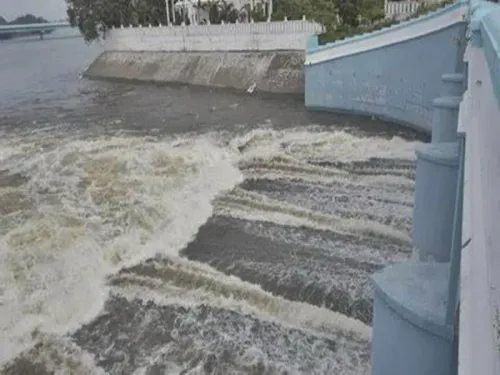
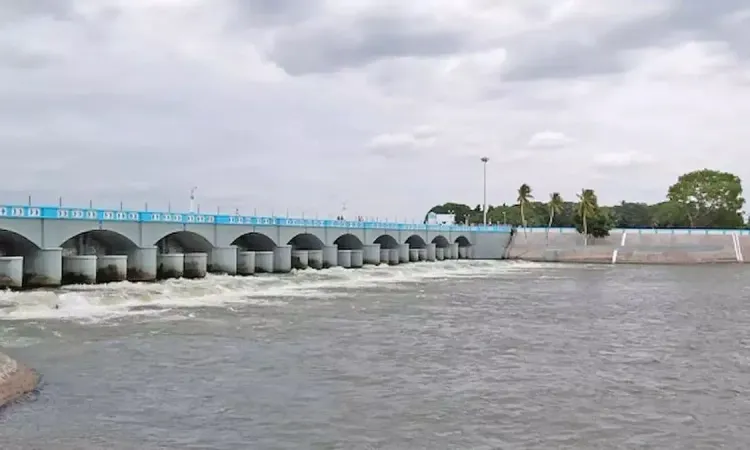
The first phase aims to restore the Cauvery from Mettur to Tiruchy, including essential tributaries such as Thirumanimuthar, Sarabanga, Bhavani, Amaravathi, and Noyyal, covering nearly 1,092 km. The remaining 214-km stretch from Tiruchy to the sea will be addressed in the subsequent phase.
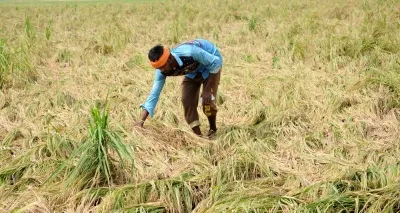
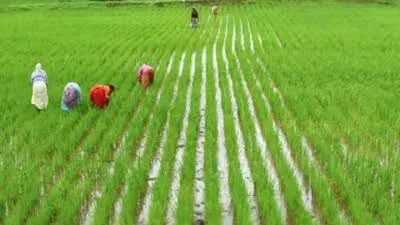
Farmers in the delta region express that the project is long overdue. M. Ramasamy (52), a farmer from Tiruvarur, pointed out that industrialization and urban growth have significantly deteriorated water quality and availability. “Pollution has diminished fish populations, harmed crops, and affected drinking water. The river is no longer the same,” he stated, referencing past pollution reports that identified numerous sections of the Cauvery basin as highly contaminated.
The scheme includes plans for sewage treatment plants, common effluent treatment facilities for textile units, and improvements along the riverfront.
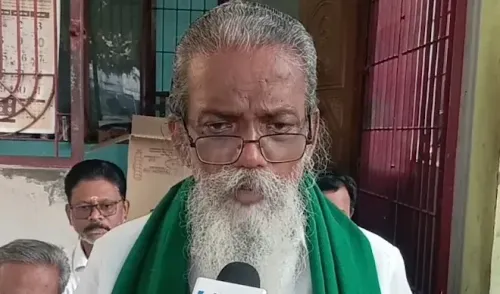
K.V. Elankeeran, president of the Federation of Cauvery Delta Farmers Association, remarked that tail-end districts like Tiruvarur, Nagapattinam, and Mayiladuthurai often manage to cultivate only one crop season each year due to insufficient water flow. “If this project is executed, agriculture can be revitalized, allowing farmers to grow more than one season,” he stated.
For the time being, however, the eagerly awaited restoration project seems to be on hold until after the elections.
Point of View
Our perspective emphasizes the importance of the Cauvery River restoration project for Tamil Nadu. While political discourse shapes public perception, it is crucial to understand the procedural complexities involved. The project's success is vital for sustainable agriculture and environmental health in the region.
NationPress
3 Oct 2026
Frequently Asked Questions
What is the Cauvery River restoration project?
The Cauvery River restoration project, known as the Nadanthaai Vaazhi scheme, aims to rejuvenate the river's ecosystem and improve irrigation in Tamil Nadu.
Why is the project facing delays?
The project is experiencing delays due to administrative and financial bottlenecks, including necessary approvals from the finance department.
What is the budget for the project?
The project has an estimated budget of Rs 14,000 crore , with funding shared between the Centre and State.
How will the project benefit farmers?
The restoration aims to enhance water quality and availability, enabling farmers to cultivate more than one crop season annually.
When is the project expected to start?
The project is unlikely to commence before the upcoming Assembly elections, with work expected to begin afterward.