CBI busts Punjab-Delhi tech-support fraud ring, arrests 4 in US extortion case
Synopsis
A fake call centre in Mohali was the nerve centre of an international extortion racket that posed as Microsoft and law enforcement to terrify US victims into depositing hundreds of thousands of dollars into Bitcoin ATMs. The CBI's overnight sweep across 10 locations in Punjab and Delhi — netting four accused and a trove of crypto wallets — exposes a growing trend: India-origin cyber gangs weaponising cryptocurrency to launder proceeds beyond the reach of traditional banking oversight.
Key Takeaways
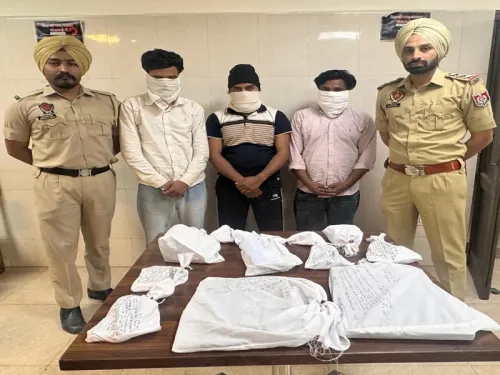
The CBI arrested four accused — Sourabh Rana (kingpin), Indermohan Singh , Harneet Singh , and Jappandeep Singh — on 6 August .
Raids were conducted at 10 locations across Punjab and Delhi , including a fake call centre in Mohali .
Seized items include more than 20 mobile phones , 15 laptops/tablets , storage devices, cash, and crypto wallets .
A Florida resident was defrauded of $4,40,000 in 2022 ; a New Jersey resident lost $1,30,000 in 2023 .
Proceeds were laundered through multiple crypto wallets and operators based in Delhi , the CBI said.
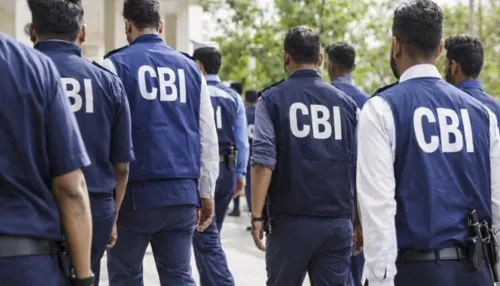
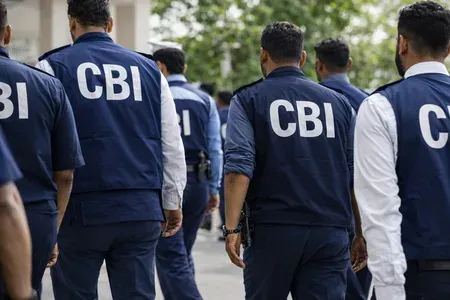
The Central Bureau of Investigation (CBI) arrested four accused on 6 August following overnight raids at 10 locations across Punjab and Delhi, dismantling an international tech-support fraud and extortion syndicate that systematically targeted US nationals and siphoned proceeds through cryptocurrency. The agency seized more than 20 mobile phones, 15 laptops and tablets, multiple storage devices, cash, incriminating documents, and crypto wallets during the operation.
The Accused and the Operation
The four individuals arrested have been identified as Sourabh Rana (the alleged kingpin), Indermohan Singh, Harneet Singh, and Jappandeep Singh, according to a CBI statement. Raids were conducted on the intervening night of 5 and 6 August, including at a fake call centre reportedly operating from the premises of the kingpin in Mohali, Punjab.
How the Fraud Worked
Members of the syndicate posed online as representatives of technology companies, financial institutions, and law enforcement agencies. They deployed malicious pop-ups on victims' computer screens displaying counterfeit Microsoft toll-free numbers, which connected callers directly to fraudulent call centres controlled by the gang.
Once in contact, the accused misled victims into transferring money under the pretext of repairing their systems. In more coercive cases, they falsely alleged that targets were implicated in grave offences — including child pornography — to compel cryptocurrency ransom payments through Bitcoin ATMs, the CBI said.
Victims and Amounts Defrauded
Two specific victims have been identified in the CBI's account. A Florida resident was deceived in 2022 after being falsely warned that illegal material had been planted on her computer and her financial data was compromised. Under sustained pressure, she deposited $4,40,000 across multiple transactions into a Bitcoin ATM; the funds were routed to a wallet address controlled by the accused.
A second victim, a resident of New Jersey, was targeted using the same method in 2023. She was misled into believing her banking details were being accessed by unknown entities and was coerced into depositing $1,30,000 into Bitcoin ATMs, according to the CBI.
Money Trail and Laundering
The defrauded cryptocurrency proceeds were routed through multiple crypto wallets to transfer funds out of the United States. The proceeds were subsequently laundered through operators based in Delhi, the CBI said. The use of crypto ATMs and layered wallet transfers reflects a growing pattern in transnational cybercrime where digital assets are exploited to obscure the money trail.
Broader Context
This is among the more significant India-origin tech-support fraud busts in recent years. Indian call centres running US-targeted scams have been a persistent law-enforcement concern, with earlier CBI and state police actions in Ahmedabad, Noida, and Gurugram netting similar operations. The involvement of crypto ATMs — a relatively newer vector — signals an escalation in the sophistication of such rackets. Investigations are ongoing, and further arrests have not been ruled out.
Point of View
And enforcement has consistently lagged the scale of the problem. What is new here is the crypto ATM layer — a deliberate architectural choice that moves proceeds outside the banking system and complicates asset recovery. The CBI has the arrests; the harder question is whether the crypto trail leads to full fund recovery and whether the US-India mutual legal assistance framework is fast enough to freeze wallets before funds are further dispersed. Past busts have produced arrests without proportionate restitution to victims.
NationPress
7 Aug 2026
Frequently Asked Questions
What is the CBI tech-support fraud case involving Punjab and Delhi arrests?
The CBI dismantled an international tech-support fraud and extortion syndicate on 6 August, arresting four accused from Punjab and Delhi. The gang ran fake call centres, posed as Microsoft and law enforcement, and coerced US nationals into making large cryptocurrency payments through Bitcoin ATMs.
Who are the accused arrested by the CBI?
The four arrested individuals are Sourabh Rana (identified as the kingpin), Indermohan Singh, Harneet Singh, and Jappandeep Singh. The CBI conducted raids at 10 locations, including a fake call centre at the kingpin's premises in Mohali.
How did the tech-support fraud syndicate operate?
The syndicate deployed malicious pop-ups showing counterfeit Microsoft toll-free numbers on victims' computers. When victims called, gang members posed as tech or law enforcement officials, pressured them into paying for fake repairs, and in some cases threatened them with false criminal charges to extort cryptocurrency ransom.
How much money did the victims lose?
A Florida resident lost $4,40,000 in 2022, and a New Jersey resident lost $1,30,000 in 2023, according to the CBI. Both were coerced into depositing funds into Bitcoin ATMs, with proceeds routed through crypto wallets to accounts controlled by the accused.
How was the money laundered?
The defrauded cryptocurrency proceeds were routed through multiple crypto wallets to transfer funds out of the United States. They were subsequently laundered through operators based in Delhi, the CBI said, reflecting a layered digital money trail designed to obscure the source of funds.