CBI arrests Haryana man in ₹25.65 lakh 'digital arrest' cyber fraud case
Synopsis
A Haryana man was nabbed from Rajkot by the CBI in a 'digital arrest' scam that cheated a Madhya Pradesh senior citizen of ₹25.65 lakh using fake terror-link threats and a forged attachment order. The case, transferred to the CBI on Supreme Court direction, exposes a growing national pattern of cyber fraudsters impersonating law enforcement to extort vulnerable citizens.
Key Takeaways
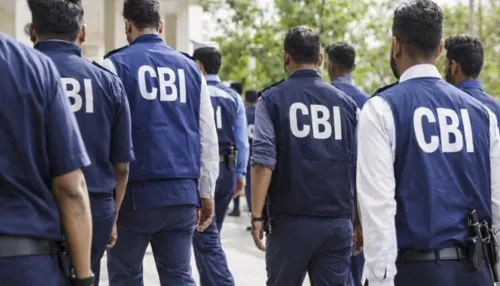
The CBI arrested a Karnal, Haryana -based accused from Rajkot, Gujarat on 30 June 2026 .
The accused is linked to a 'digital arrest' scam that defrauded a Madhya Pradesh senior citizen of ₹25.65 lakh .
Fraudsters impersonated security and counter-terrorism officials and sent a forged attachment order to coerce the victim.
The CBI facilitated a partial refund of ₹2.65 lakh to the victim after securing court orders.
The case was transferred to the CBI from the State Cyber Crime Police, Bhopal , on direction of the Supreme Court .
The CBI has issued a public advisory warning citizens never to share financial credentials with unknown callers.
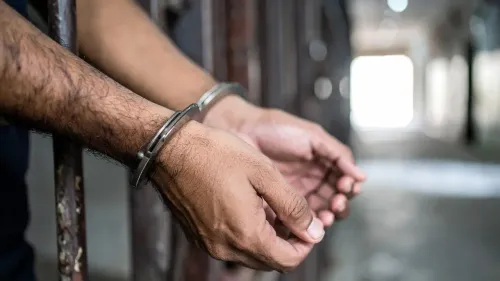
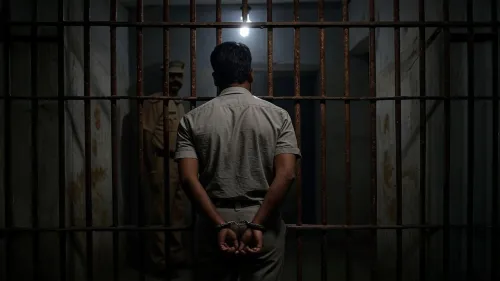
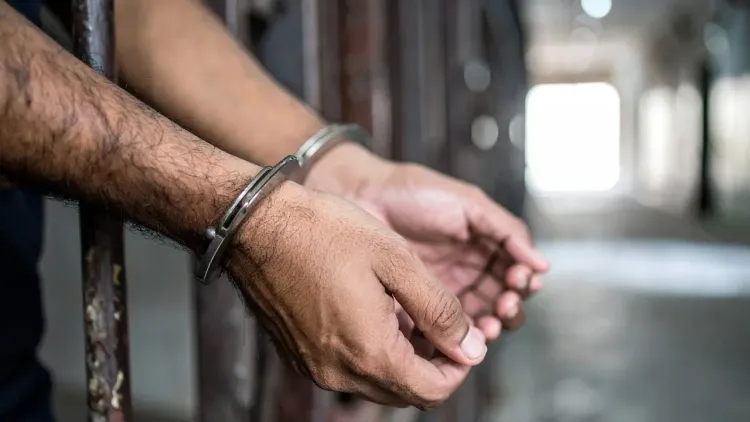
The Central Bureau of Investigation (CBI) arrested a key accused in a 'digital arrest' cyber fraud case from Rajkot, Gujarat, on 30 June 2026. The suspect, a resident of Karnal, Haryana, is accused of defrauding a senior citizen in Madhya Pradesh of ₹25.65 lakh through an elaborate impersonation scheme involving fake law enforcement threats.
Background and Court Direction
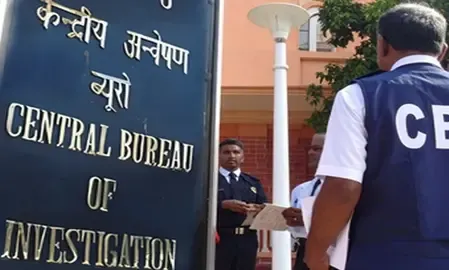
The case was initially registered by the State Cyber Crime Police, Bhopal, before being transferred to the CBI following directions from the Supreme Court in a writ petition. The CBI formally re-registered the case on 11 April 2026 against unknown persons and has since been tracing the network of fraudsters involved.
How the Scam Unfolded
According to investigators, the elderly victim received threatening calls from individuals posing as officers of security and counter-terrorism agencies. The callers falsely alleged that her bank account was linked to terrorism-related activities and warned of imminent arrest and property seizure. To lend credibility to their claims, the fraudsters sent her a forged attachment order. Panicked and coerced, the victim transferred ₹25.65 lakh across two separate bank accounts controlled by the accused.
Partial Relief for the Victim
During the course of its investigation, the CBI secured necessary orders from a competent court and facilitated the refund of ₹2.65 lakh to the victim — providing partial relief to the distressed senior citizen. Investigators continue to trace the flow of funds and identify other members of the broader syndicate.
The 'Digital Arrest' Threat Landscape
According to investigators, 'digital arrest' scams have become one of the most widespread forms of cyber fraud in recent years. Fraudsters exploit fear by falsely claiming victims are under virtual arrest for serious offences — including money laundering or terror financing — and pressure them into transferring money as 'proof of innocence'. This is not an isolated incident; law enforcement agencies across the country have flagged a sharp rise in such cases targeting senior citizens and retirees.
CBI Advisory to Citizens
The CBI has issued a public advisory urging citizens to remain vigilant. The agency stressed that no legitimate law enforcement officer asks for personal or financial details — including bank account information, passwords, or OTPs — over the phone, nor demands immediate money transfers. Citizens who receive such calls are advised to report them immediately to the nearest police station or the national cyber crime helpline.
The investigation into the wider conspiracy remains active, with the agency working to identify and apprehend remaining members of the syndicate.
Point of View
Often financially independent retirees, are disproportionately victimised because they are less likely to verify claims independently. The Supreme Court's intervention to transfer this case to the CBI suggests that state cyber crime units alone are struggling to handle the cross-border complexity of such syndicates. Until inter-agency coordination improves and telecom providers are held accountable for spoofed calls, arrests will remain reactive rather than preventive.
NationPress
1 Jul 2026
Frequently Asked Questions
What is a 'digital arrest' scam?
A 'digital arrest' scam is a form of cyber fraud in which criminals impersonate law enforcement or security officials and falsely claim that the victim is under virtual arrest for serious offences such as money laundering or terror financing. Victims are then pressured into transferring money as supposed 'proof of innocence'. These scams have surged across India in recent years, particularly targeting senior citizens.
Who was arrested by the CBI in this case?
The CBI arrested a resident of Karnal, Haryana, from Rajkot, Gujarat, on 30 June 2026. The accused is accused of being a key member of a fraud network that cheated a senior citizen in Madhya Pradesh of ₹25.65 lakh through a 'digital arrest' scheme.
How was the victim defrauded?
The victim received threatening calls from individuals posing as officers of security and counter-terrorism agencies, who alleged her bank account was linked to terrorism. The fraudsters sent a forged attachment order to make their claims appear credible, then coerced her into transferring ₹25.65 lakh to two bank accounts they controlled.
Has any money been returned to the victim?
Yes. During its investigation, the CBI secured court orders and facilitated the refund of ₹2.65 lakh to the victim. The remaining amount is still under investigation as the agency traces the flow of funds across the syndicate.
How can citizens protect themselves from digital arrest scams?
The CBI advises citizens never to share bank account details, passwords, or OTPs with unknown callers, and to remember that no legitimate law enforcement officer demands money transfers over the phone. Anyone receiving such calls should report them immediately to the nearest police station or the national cyber crime helpline.