CBI arrests Kuldeep Kapoor in Nepal-China job fraud case

Synopsis
The CBI has arrested proclaimed offender Kuldeep Kapoor from Baraut in a 2017 illegal-recruitment case. He allegedly took ₹1 lakh from a Nepali woman on a China job promise; she was detained by Chinese police and later sent to Kathmandu after Indian Embassy intervention.
Key Takeaways
The CBI on Tuesday arrested Kuldeep alias Kuldeep Kapoor from Binauli Road , Baraut , Uttar Pradesh .
He was declared a proclaimed offender on 19 January 2023 after allegedly evading trial.
The FIR was registered on 7 July 2017 ; a chargesheet was filed on 30 September 2019 .
The accused allegedly collected ₹1 lakh from a Nepali woman promised a job in China .
Chinese police detained her on 14 March 2017 ; she was sent to Kathmandu on 13 April 2017 after Indian Embassy intervention.
Charges include IPC Sections 120B , 420 , 471 read with 468 , and Section 24 of the Emigration Act.
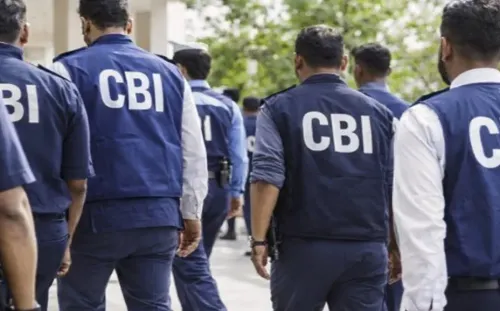
The Central Bureau of Investigation (CBI) on Tuesday arrested proclaimed offender Kuldeep alias Kuldeep Kapoor from Binauli Road in Baraut, Uttar Pradesh, in a seven-year-old case of alleged illegal recruitment and transportation of workers to China. Investigators allege he lured a Nepali woman with the promise of a lucrative job abroad, after which she ended up in the custody of Chinese police.
Arrest after intelligence-led tracing in Baraut
Kapoor was apprehended in a targeted operation based on intelligence inputs developed by the agency. He had allegedly evaded trial after the chargesheet and was declared a proclaimed offender on 19 January 2023.
The CBI subsequently mounted efforts to trace him and deployed a dedicated team to track his movements. The arrested accused will now be produced before the competent court. The case remains pending trial before the court of the ACJM, RADC, New Delhi.
The 2017 China job promise and detention
According to the CBI, the agency registered an FIR on 7 July 2017 against Kapoor, Roshan Fernando and others following a complaint that they had fraudulently recruited a woman by promising her employment in China. The accused allegedly collected ₹1 lakh from the victim in instalments before sending her to China along with several other persons.
What was held out as an employment opportunity reportedly turned into a nightmare when the woman began working at a manufacturing factory and was subsequently apprehended by Chinese police on 14 March 2017. Following intervention by officials of the Indian Embassy in China, the woman and other individuals were repatriated. As the victim was a Nepali citizen, she was subsequently sent to Kathmandu on 13 April 2017.
This comes amid recurring complaints of overseas job fraud, in which agents collect money against promises of work abroad and workers later find themselves undocumented or detained. Notably, the victim here was not an Indian national, yet the alleged recruitment was investigated in India, showing how such networks can straddle the India-Nepal-China corridor.
Chargesheet, IPC sections and Emigration Act
After completing its investigation, the CBI filed a chargesheet on 30 September 2019 against Fernando and Kapoor under Sections 120B, 420, 471 read with 468 of the Indian Penal Code and Section 24 of the Emigration Act. Those provisions deal with criminal conspiracy, cheating, using forged documents, forgery for the purpose of cheating, and unauthorised recruitment for overseas employment.
The trial has been pending in New Delhi since then. Kapoor allegedly stayed away from the proceedings and was declared a proclaimed offender more than three years after the chargesheet. A proclaimed offender tag typically follows repeated non-appearance despite court process, after which agencies intensify tracing and courts can consider further coercive steps.
Why the arrest matters
Illegal recruitment for work abroad remains a live enforcement problem. Section 24 of the Emigration Act is meant to deter unregistered agents who send people overseas without proper clearances. In this case, the alleged collection of ₹1 lakh and the worker's detention in China show how financial cheating and unsafe migration can travel together.
Embassy intervention in 2017 secured repatriation, but the criminal case then moved slowly until Tuesday's arrest. Families who still receive similar job-abroad offers have little visibility on whether accused recruiters are actually facing trial. A successful production in court is therefore as important as the arrest itself.
What happens next
Kapoor is to be produced before the competent court, allowing the ACJM, RADC, New Delhi, to proceed against him in person after years of absence. Co-accused Roshan Fernando was named in the same 2019 chargesheet; this update does not describe his present status.
The prosecution will have to prove conspiracy, cheating, forgery-related charges and the Emigration Act offence on the 2017 record. For a case that began with a Nepali worker in Chinese custody and an Indian FIR months later, the next test is whether trial now moves at a pace that matches the seriousness of sending people across borders on false job promises.
Point of View
Yet the victim here was a Nepali citizen pulled out of Chinese custody before Indian criminal process even began. That the CBI needed a dedicated tracing team years after a 2019 chargesheet shows how easily accused recruiters can go underground once the first headlines fade. Unless the trial now moves at speed, this arrest will remain a procedural win rather than a deterrent.
NationPress
25 Nov 2026
Frequently Asked Questions
Who did the CBI arrest in the Nepal-China job fraud case?
The CBI arrested Kuldeep alias Kuldeep Kapoor, a proclaimed offender, on Tuesday from Binauli Road in Baraut, Uttar Pradesh. He is an accused in a 2017 case of alleged illegal recruitment of workers to China.
What was Kuldeep Kapoor accused of?
He is accused of fraudulently recruiting a Nepali woman by promising her a job in China and collecting ₹1 lakh from her in instalments before sending her abroad with several others. She was later detained by Chinese police while working at a manufacturing factory.
When was the FIR registered and the chargesheet filed?
The CBI registered the FIR on 7 July 2017 against Kuldeep Kapoor, Roshan Fernando and others, and filed a chargesheet on 30 September 2019. Kapoor was declared a proclaimed offender on 19 January 2023 after allegedly evading trial.
Which laws were invoked in the CBI chargesheet?
The chargesheet invokes IPC Sections 120B, 420, 471 read with 468, and Section 24 of the Emigration Act. These cover conspiracy, cheating, forgery-related offences and unauthorised recruitment for overseas employment.
What happens next after the Baraut arrest?
Kuldeep Kapoor will be produced before the competent court, and the trial pending before the ACJM, RADC, New Delhi, can proceed against him in person. Co-accused Roshan Fernando was named in the same 2019 chargesheet.