CBI Apprehends Kanpur Resident for Recruiting Cyber Fraud Operatives for Cambodia Gangs
Synopsis
In a shocking revelation, the CBI has arrested a Kanpur man for recruiting Indian nationals to execute organized cyber fraud from Cambodia. The suspect's methods involved luring unsuspecting individuals with false job offers, leading to their coercion into criminal activities abroad.
Key Takeaways
Recruitment for Cyber Fraud: Kanpur man arrested for sourcing individuals for cyber scams.
Financial Exploitation: Victims charged significant amounts for fraudulent job placements.
Coercion Tactics: Trafficked individuals forced into illegal online operations.
International Criminal Networks: Organized syndicates operate across borders to evade law enforcement.
Awareness Needed: Increased vigilance required to protect job seekers from scams.
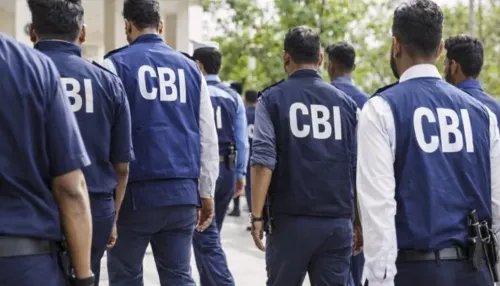
New Delhi, March 15 (NationPress) The Central Bureau of Investigation (CBI) has apprehended a Kanpur resident who was involved in recruiting Indian individuals for orchestrated cyber fraud schemes originating from Cambodia, as per an official statement released on Sunday.
Krishna Kumar Lakhwani, a local from Kanpur, Uttar Pradesh, acted as a facilitator in sourcing “cyber slaves” for criminal networks operating fraudulent operations in Cambodia, confirmed the CBI official.
It is reported that he charged $300-400 from Indian applicants and arranged their travel to Cambodia through various routes, where they were coerced into executing online frauds aimed at victims in India, according to the statement.
Lakhwani was located through intelligence and surveillance measures, and he was detained upon his return to India and taken to the CBI office for interrogation.
While examining his mobile device in front of witnesses, multiple videos surfaced showing him conducting interviews with candidates for recruitment to these fraudulent operations. Additionally, images of passports belonging to several Indian individuals allegedly recruited by him for these Cambodian centres were recovered.
Investigations revealed that Lakhwani was a member of a criminal syndicate involved in the unlawful recruitment of Indian nationals for trafficking to overseas scam organisations, as stated by the CBI.
This syndicate is accused of employing deceptive job offers with enticing salaries to attract unsuspecting individuals abroad, where they face illegal confinement and are forced to engage in cyber fraud, targeting victims globally, including in India.
The CBI's information suggests that organized cybercrime syndicates have set up fraudulent operations in various foreign nations to execute extensive cyber fraud against Indian citizens while avoiding the jurisdiction of Indian law enforcement.
Indian nationals are reportedly enticed with promises of high-paying job opportunities in fields such as data entry or customer support. Once abroad, they are coerced into participating in cybercrimes, including digital arrest scams and identity theft, according to the CBI.
Individuals trafficked to these operations are said to endure intimidation, unlawful confinement, and coercion, often being compelled to partake in cybercriminal activities under threats and abusive conditions. Such individuals are frequently referred to as “cyber slaves.”
Point of View
This incident underscores the urgent need for increased vigilance against organized cybercrime. The recruitment of individuals under false pretenses not only highlights the vulnerability of job seekers but also calls for enhanced international cooperation to combat such transnational criminal activities.
NationPress
11 Oct 2026
Frequently Asked Questions
What charges does Krishna Kumar Lakhwani face?
Krishna Kumar Lakhwani faces charges related to recruiting individuals for organized cyber fraud schemes and trafficking them to Cambodia.
How did the CBI track down Lakhwani?
The CBI tracked down Lakhwani through intelligence gathering and surveillance activities prior to his apprehension.
What methods were used to lure victims?
Victims were lured with fraudulent job offers promising high salaries for positions such as data entry and customer support.
What risks do victims face after being trafficked?
Victims face risks of intimidation, unlawful confinement, and coercion to engage in cybercriminal activities under abusive conditions.
What is the CBI doing about organized cybercrime?
The CBI is actively investigating and taking steps to dismantle organized cybercrime syndicates operating both in India and abroad.