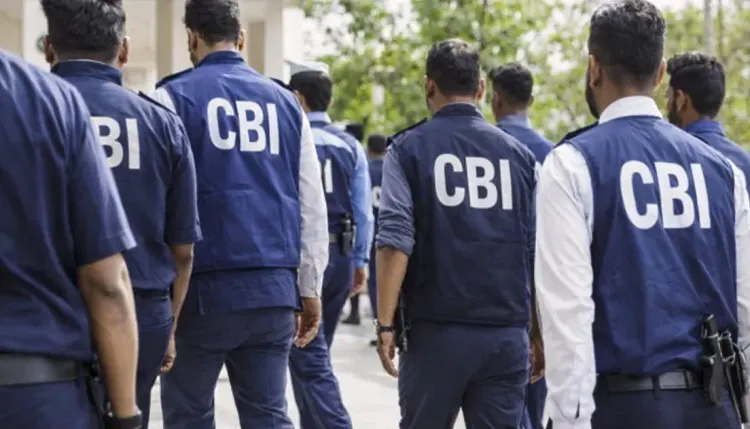
CBI arrests 2 in cyber slavery network luring Indians to Myanmar, Cambodia
Synopsis
Two key operatives in a transnational human trafficking ring have been arrested by the CBI — one for routing Indian victims through Bangkok and Mae Sot into Myanmar scam compounds, another for managing a sub-agent network across India and receiving cryptocurrency payments from compound operators. The arrests expose the industrial scale of cyber slavery networks preying on Indian job seekers.
Key Takeaways
The CBI arrested two accused on 9 June 2025 in connection with a human trafficking network operating in Myanmar and Cambodia .
The first accused coordinated logistics routing victims from Bangkok to Mae Sot and across the Thailand-Myanmar border into scam compounds.
The second accused managed a sub-agent network across India and received payments in cryptocurrency from compound operators.
Victims faced passport confiscation, restricted movement, physical and psychological abuse, and were forced into cyber-enabled financial fraud.
In May 2025 , the CBI had already raided eight locations across four states and made an earlier arrest in the same case.
The CBI has advised citizens to verify overseas job offers through official channels before responding.
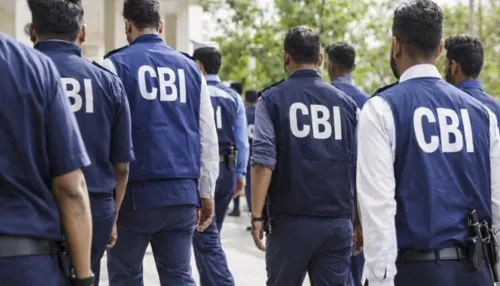
The Central Bureau of Investigation (CBI) on Tuesday, 9 June arrested two key accused linked to a human trafficking network that recruited Indian job seekers under false pretences and transported them to scam compounds in Myanmar and Cambodia, where they were subjected to conditions described as 'cyber slavery.' The arrests are part of an ongoing federal probe into transnational cybercrime syndicates exploiting Indian nationals across Southeast Asia.
Who Was Arrested and What They Did
The first accused reportedly worked on behalf of a scam compound operator and played a critical role in arranging logistics for Indian nationals trafficked to Myanmar via Thailand. According to the CBI, victims were transported from Bangkok to Mae Sot before being illegally moved across the Thailand-Myanmar border into scam compounds. The accused is alleged to have coordinated transportation and logistical support throughout this route.
The second accused is alleged to have managed a network of sub-agents spread across India on behalf of scam compound operators. CBI investigations indicate he operated from within a scam compound situated near the Thailand-Myanmar border and received payments in cryptocurrency from operators of the illegal establishments.
How the Trafficking Network Operated
The CBI's investigation reveals that a criminal network of agents and facilitators recruited Indian citizens by promising attractive employment opportunities in Southeast Asian countries. Once trafficked to these facilities, victims were allegedly coerced into participating in large-scale cyber-enabled financial fraud targeting individuals across multiple countries.
According to the agency, victims' freedom of movement was severely restricted, their passports were confiscated, and several reportedly faced both physical and psychological abuse. In numerous cases, families back in India were compelled to pay substantial sums of money to secure the release of their relatives from these compounds.
Earlier Arrests and Investigation Timeline
This is not the first action in this investigation. In May 2025, the CBI conducted coordinated searches at eight locations across four states as part of the same probe and arrested another accused linked to the trafficking network. The latest arrests signal a deepening of the investigation and an expanding web of suspects being identified by federal investigators.
Notably, this case is part of a broader pattern of Indian nationals being lured to Southeast Asian scam compounds — a crisis that has drawn attention from the Ministry of External Affairs and law enforcement agencies over the past two years, with hundreds of Indians reportedly rescued or repatriated from such facilities.
CBI Advisory to Citizens
The CBI has urged citizens to exercise extreme caution when responding to overseas job offers circulated through social media platforms, messaging applications, or informal contacts. The agency advised individuals to verify the authenticity of employment opportunities through official channels, warning that fraudulent offers can lead to financial loss, exploitation, and serious legal, physical, and psychological consequences.
Point of View
With dedicated logistics coordinators, sub-agent networks, and cryptocurrency payment rails. What remains underexamined is the demand side: the transnational syndicate operators who run these compounds with apparent impunity across Myanmar's border zones. Arresting Indian facilitators is necessary but insufficient if the compound operators themselves remain beyond reach. India's bilateral leverage with Thailand and Myanmar on extradition and intelligence-sharing will determine whether this investigation produces systemic disruption or just peripheral arrests.
NationPress
23 Oct 2026
Frequently Asked Questions
What is cyber slavery and how does it affect Indian nationals?
Cyber slavery refers to the practice of trafficking individuals to scam compounds — typically in Myanmar and Cambodia — where they are forced under coercion to conduct online financial fraud targeting victims globally. Indian nationals lured by fake job offers have been trafficked to such facilities, where their passports are confiscated, movement restricted, and they face physical and psychological abuse.
Who did the CBI arrest in this cyber slavery case?
The CBI arrested two accused on 9 June 2025. The first coordinated transportation logistics for Indian victims trafficked through Bangkok and Mae Sot into Myanmar. The second managed a network of sub-agents across India and operated from within a scam compound near the Thailand-Myanmar border, receiving cryptocurrency payments from compound operators.
How are victims trafficked to these scam compounds?
According to the CBI, victims are recruited in India through fraudulent job offers circulated via social media, messaging apps, or informal contacts. They are then transported to Bangkok, moved to Mae Sot, and illegally transferred across the Thailand-Myanmar border into scam compounds.
What action had the CBI taken before these arrests?
In May 2025, the CBI conducted coordinated searches at eight locations across four states as part of the same investigation and made an earlier arrest. The June arrests represent an escalation of the ongoing probe into the trafficking network.
How can citizens protect themselves from such trafficking networks?
The CBI has advised citizens to verify the authenticity of any overseas job offer through official government channels before accepting or travelling. Offers circulated via social media, messaging apps, or informal contacts should be treated with extreme caution, as they may lead to trafficking, financial loss, and serious physical harm.