CBI arrests Puducherry fake currency absconder after 14 years on the run

Synopsis
A man who skipped bail in a fake Indian currency case in Puducherry back in 2012 has finally been caught — 14 years later. The CBI used technical leads to trace Mohd. Ismail Sheikh, who had vanished after being caught with over ₹1,90,500 in counterfeit ₹1,000 notes. The arrest is a reminder that FICN cases, often overshadowed by bigger financial crimes, remain live files at India's premier investigation agency.
Key Takeaways
The CBI arrested Mohd.
Ismail Sheikh on 9 October 2026 , more than 14 years after he jumped bail in a Puducherry FICN case .
Sheikh was originally arrested on 18 January 2012 and released on bail on 2 July 2012 , after which he absconded.
At the time of his initial arrest, ₹19,000 in fake ₹1,000-denomination notes were seized from him and a further ₹1,71,500 from his guesthouse.
The CBI traced him using technical leads after sustained investigative efforts spanning over a decade.
In a separate case, the CBI arrested four individuals — including a CGST Inspector — for running an IBPS exam impersonation network across Delhi, Bihar, Haryana , and West Bengal .
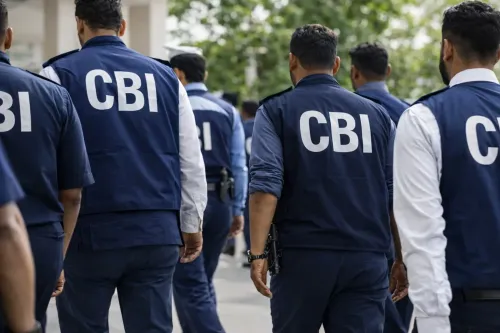
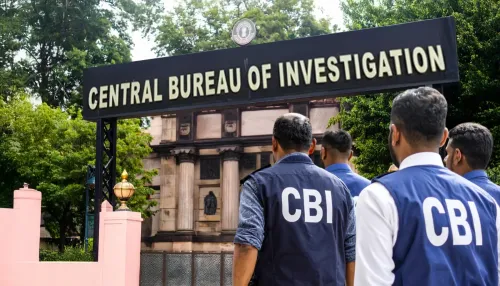
The Central Bureau of Investigation (CBI) on Friday, 9 October 2026, arrested Mohd. Ismail Sheikh, a bail-jumper wanted in a Fake Indian Currency Notes (FICN) case in Puducherry, more than 14 years after he vanished while on bail. The arrest marks the conclusion of a prolonged pursuit that relied on technical intelligence and sustained field operations.
Background: The Original FICN Case
Sheikh was first caught at a fruit stall in Puducherry while allegedly attempting to use and exchange counterfeit ₹1,000-denomination notes. At the time of his apprehension, investigators recovered FICN with a face value of ₹19,000 from his person. A subsequent search of the guesthouse where he had been staying yielded an additional ₹1,71,500 in counterfeit currency, according to the CBI.
Sheikh was formally arrested in the case on 18 January 2012 and was released on bail on 2 July 2012. He failed to appear before the court thereafter and, according to the CBI, deliberately concealed himself to evade the legal process — making him an absconder for over a decade.
How the CBI Tracked Him Down
The agency said a dedicated team traced Sheikh through technical leads and sustained investigative efforts over the intervening years. The CBI did not disclose the specific location of his arrest on Friday or where he had been hiding during the period of abscondence. He will be produced before the competent court for further legal proceedings, the agency confirmed.
Notably, cases involving FICN are treated with particular seriousness by Indian investigative agencies given their implications for monetary stability and national security. The CBI stated it 'remains committed to its goal of apprehending and bringing every perpetrator of circulating counterfeit currencies to justice and guarding the economic integrity of the nation.'
Separate Case: IBPS Exam Fraud Network Busted
In an unrelated but concurrent development, the CBI on Thursday dismantled an impersonation and cheating network operating across Delhi, Bihar, Haryana, and West Bengal, arresting four key operatives. Among those held was a CGST Inspector, whose involvement allegedly compromised the integrity of public examinations for bank jobs.
The CBI had registered a First Information Report (FIR) based on a complaint filed by the Institute of Banking Personnel Selection (IBPS). The CBI Special Task Branch Mumbai executed coordinated, multi-state raids, apprehending individuals who fraudulently posed as candidates in written examinations and interviews under the IBPS selection process. The agency said the impersonators deprived 'genuine, hardworking aspirants of their rightful opportunities.'
What the Arrests Signal
Taken together, the two operations reflect the CBI's renewed focus on cold cases and examination fraud — two categories that had seen enforcement gaps in recent years. The Sheikh arrest in particular underscores how long-pending warrant execution can remain active, with technical surveillance tools increasingly enabling agencies to close cases that older methods could not resolve. Further proceedings in both cases are expected before respective competent courts in the coming days.
Point of View
Which directly threatens monetary integrity, remained at large for over 14 years. That is less a vindication of the system and more an indictment of how slowly the machinery moves. The concurrent IBPS fraud bust, involving a sitting government officer, raises a sharper question about insider complicity in public examination systems — a crisis that has been building across states and demands systemic reform beyond case-by-case arrests.
NationPress
10 Oct 2026
Frequently Asked Questions
Who is Mohd. Ismail Sheikh and why was he arrested by the CBI?
Mohd. Ismail Sheikh is an accused in a Puducherry fake Indian currency notes (FICN) case, originally arrested on 18 January 2012. He was arrested again on 9 October 2026 after more than 14 years of deliberately absconding to evade the legal process following his bail in July 2012.
How much fake currency was recovered in the Puducherry FICN case?
A total of over ₹1,90,500 in counterfeit ₹1,000-denomination notes was recovered. Of this, ₹19,000 was seized from Sheikh at a fruit stall in Puducherry, and a further ₹1,71,500 was found at the guesthouse where he had been staying.
How did the CBI trace Sheikh after 14 years?
According to the CBI, a dedicated team used technical leads and sustained investigative efforts to eventually locate and arrest him. The agency has not disclosed the specific location where he was found.
What is the separate IBPS exam fraud case the CBI busted?
On Thursday, the CBI arrested four individuals — including a CGST Inspector — for running an impersonation network across Delhi, Bihar, Haryana, and West Bengal that infiltrated IBPS bank job examinations. Imposters physically posed as candidates in written tests and interviews, depriving genuine aspirants of their opportunities.
What happens next in the Puducherry FICN case?
Sheikh will be produced before the competent court for further legal proceedings as per law, the CBI confirmed. The case will now proceed through the judicial process, with the agency having submitted details of the arrest.