Should Transparency and Public Sentiments Guide the Census Process? - MP CM
Synopsis
Madhya Pradesh's Chief Minister Mohan Yadav emphasizes the significance of transparency and public sentiment in the upcoming census. This major data collection will not only shape developmental strategies but also reflect the emotional ties of citizens to their properties. A historic census process is set to begin, highlighting the importance of sensitivity alongside development.
Key Takeaways
Transparency is vital in the census process.
The census aims to address the needs of the last person in society.
Officials must respect emotional attachments during data collection.
The census will be conducted digitally and paperless .
Two phases are planned, with significant timelines for data collection.
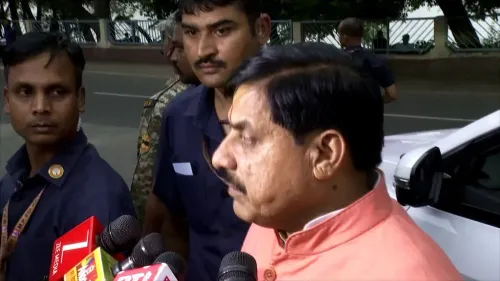
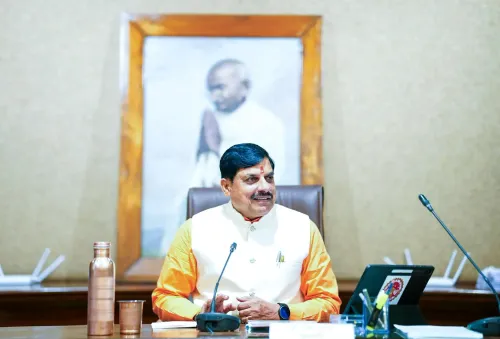
Bhopal, Feb 13 (NationPress) Madhya Pradesh's Chief Minister Mohan Yadav remarked on Friday that the census represents the nation’s most extensive and vital data gathering exercise, which serves as the foundation for formulating strategies aimed at delivering development to every individual in society.
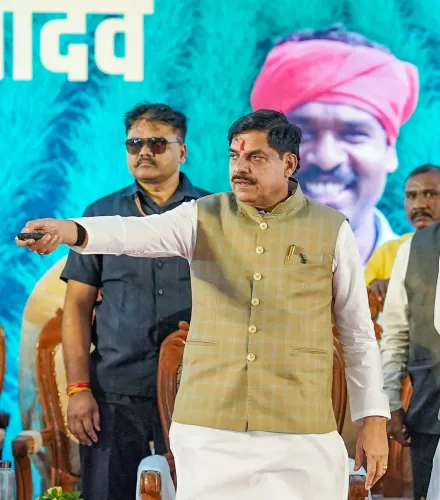
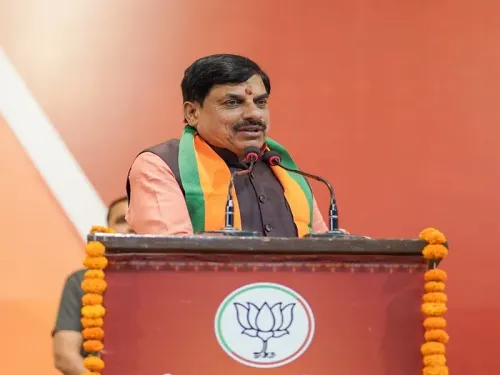
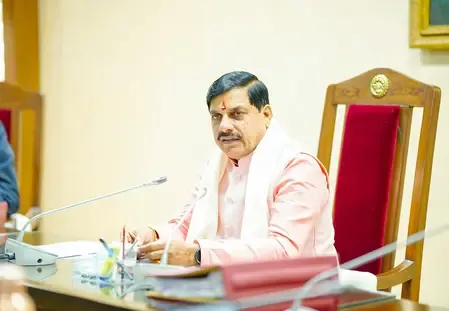
CM Yadav shared these insights while addressing a state-level conference at the Kushabhau Thakre Convention Centre in Bhopal, attended by senior officials including Chief Secretary Anurag Jain and other high-ranking bureaucrats.
District collectors, divisional commissioners, and municipal commissioners participated in this conference-cum-training session, which is part of the state government's groundwork for the first phase of the census scheduled to commence in the state on May 1.
This state-level meeting was organized following a detailed review of preparations across the state, and it was emphasized that a substantial number of officers and staff would be assigned to census-related duties.
During his address, the Chief Minister underscored the necessity of the government's commitment and neutrality, which must be evident throughout the caste census process.
“This marks the first social-level census since 1931, and together we will create a historic record. This census will hold various interpretations politically and socially, hence clarity and transparency are paramount,” CM Yadav stated.
He also highlighted the emotional ties that individuals have with their properties, be it homes, land, shops, or other possessions, stressing the need for officials to be sensitive to these sentiments during the census.
“If someone’s property, like a house, land, or shop, is impacted, their emotional attachment needs to be acknowledged; sensitivity is crucial alongside development,” he remarked.
Importantly, the census will be conducted entirely digitally and in a paperless format via an app-based system. This extensive operation will unfold in two phases: the first phase from May 1 to May 30, 2026, which will involve house-to-house listing and housing enumeration, while the second and final phase, focusing on population enumeration, is set for February 2027.
Point of View
This census is a significant undertaking that will not only gather essential demographic data but also reflect the emotional landscape of the population. The commitment to transparency and sensitivity highlighted by CM Yadav is commendable. It is crucial for the government to ensure that this process is inclusive and respectful, recognizing the diverse sentiments of its citizens.
NationPress
19 Sept 2026
Frequently Asked Questions
What is the significance of the census?
The census is essential for gathering data that informs government strategies for development, ensuring that resources reach every individual in society.
How will the census be conducted?
The census will be executed in a fully digital and paperless manner using an app-based system, organized in two phases.
When will the census take place?
The first phase of the census will occur from May 1 to May 30, 2026, followed by the second phase in February 2027.
What role does public sentiment play in the census?
Public sentiment is crucial as it acknowledges the emotional connections that individuals have with their properties, which must be respected during the census process.
Who is responsible for the census preparations?
The preparations involve various officials, including district collectors and municipal commissioners, under the guidance of the Chief Minister and senior bureaucrats.