Teesta River bridge: Centre sanctions ₹1,175.59 crore 6-lane project at Sevoke

Synopsis
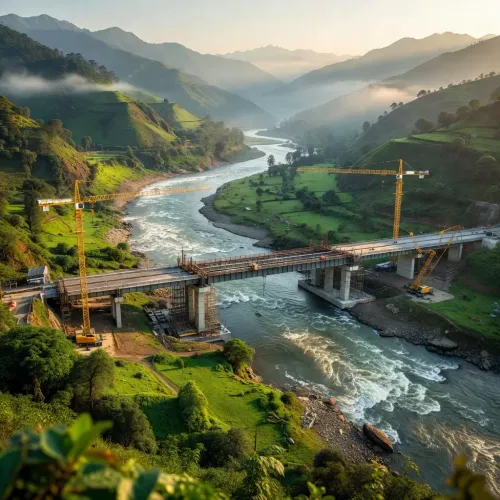
The Centre has sanctioned ₹1,175.59 crore for a 6.91-km, six-lane bridge over the Teesta at Sevoke — the most significant upgrade to the Siliguri Corridor in decades and a replacement for an 85-year-old colonial crossing. For a region whose connectivity underpins India's entire north-eastern supply chain, this is more than a state infrastructure project.
Key Takeaways
The Centre has sanctioned ₹1,175.59 crore for a 6.91-km, six-lane bridge over the Teesta River at Sevoke .
The bridge will run along National Highway-10 and serve as an alternative to the Coronation Bridge , built in 1941 .
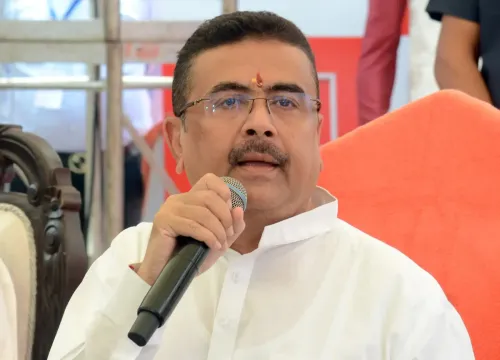
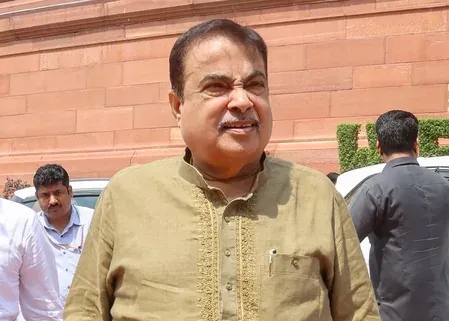
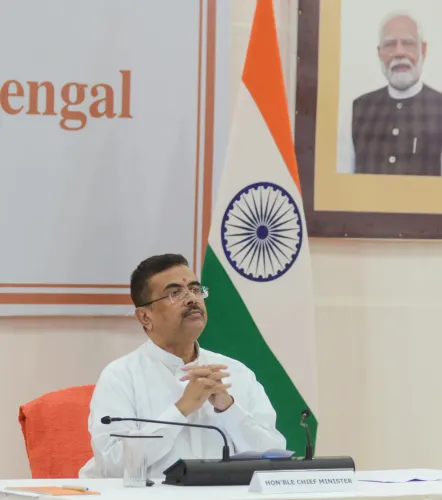
West Bengal CM Suvendu Adhikari credited PM Narendra Modi and Union Minister Nitin Gadkari for clearing the project.
The project is considered strategically critical given its location in the Siliguri Corridor (Chicken Neck) , the sole land link to India's north-east.
State government has outlined a 'Triple T' economic vision — tea, timber, and tourism — for which the bridge is described as a prerequisite.
West Bengal Chief Minister Suvendu Adhikari on Thursday, 1 October 2026, thanked the Central government for sanctioning a ₹1,175.59 crore bridge project over the Teesta River at Sevoke — a 6.91-km, six-lane crossing that officials say will transform connectivity across the strategically critical Siliguri Corridor. The sanction comes under the road transport ministry and has been welcomed across party lines as a long-overdue infrastructure upgrade for North Bengal.
What the Project Entails
The proposed bridge will span 6.91 km with six lanes, running across the Teesta at Sevoke on National Highway-10. Once completed, it will serve as a modern alternative to the Coronation Bridge, a colonial-era structure commissioned in 1941 that has long been the primary crossing on this stretch. The project is designed to handle significantly higher volumes of both passenger and freight traffic, addressing bottlenecks that have constrained movement toward Sikkim and the broader North-East for decades.
Strategic Importance of the Siliguri Corridor
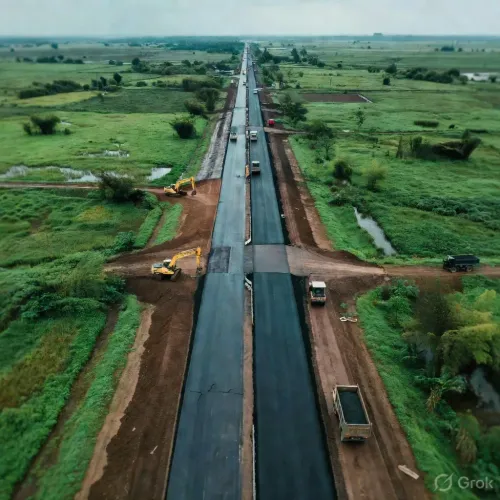
The Siliguri Corridor — commonly called the Chicken Neck — is India's narrow land link to its eight north-eastern states, making it one of the most geopolitically and logistically sensitive stretches in the country. Any upgrade to infrastructure here carries outsized national significance. Chief Minister Adhikari, in a social media post, noted that 'the ecological demands of the terrain' made a high-capacity, durable Teesta crossing a 'necessity' rather than a luxury. Upgradation of NH-10, he said, would 'ensure smoother passenger and freight transit, strengthen regional supply chains towards North Bengal, Sikkim and the entire North-Eastern India.'
Economic Dividend for North Bengal
A state cabinet member said the government is actively coordinating with the Centre to fast-track infrastructure development in North Bengal, a region they described as long-neglected. The minister outlined an economic vision centred on the 'Triple T' framework — tea, timber, and tourism — arguing that durable road and bridge infrastructure is a prerequisite for unlocking each of these sectors. The bridge project, the official said, is 'a major milestone on this count.' According to the Chief Minister, the project will also 'open new avenues of economic development for local communities.'
Government's Commitment and Next Steps
Chief Minister Adhikari expressed gratitude to Prime Minister Narendra Modi and Union Minister for Road Transport and Highways Nitin Gadkari for clearing the project. 'We deeply appreciate this cooperative federal effort and reaffirm our commitment to facilitating all necessary on-ground support to see this project completed expeditiously,' Adhikari said. The project had reportedly been in the pipeline for a considerable period before receiving central sanction. With the formal approval now in place, the focus shifts to tendering, environmental clearances, and construction timelines — all of which will determine when the corridor actually benefits from the new crossing.
Point of View
Not exceptional. What merits scrutiny now is execution: large NH projects in hilly, ecologically sensitive terrain in the north-east have a poor record on timelines and cost overruns. The 'Triple T' economic framing for North Bengal is politically useful but thin on specifics; without parallel investment in cold-chain logistics, forest roads, and tourist infrastructure, a bridge alone will not deliver the development dividend being promised. The cooperative federal narrative is welcome, but the proof will be in the tender documents.
NationPress
1 Oct 2026
Frequently Asked Questions
What is the Teesta River bridge project sanctioned by the Centre?
It is a ₹1,175.59 crore project to build a 6.91-km, six-lane bridge over the Teesta River at Sevoke along National Highway-10 in West Bengal. The bridge will serve as a modern alternative to the 1941-era Coronation Bridge and is designed to improve connectivity to North Bengal, Sikkim, and the north-eastern states.
Why is the Siliguri Corridor considered strategically important for this project?
The Siliguri Corridor, also known as the Chicken Neck, is India's only land link to its eight north-eastern states. Any infrastructure upgrade in this zone directly affects national security logistics, regional supply chains, and trade routes, making the Teesta bridge far more than a local connectivity project.
What is the current status of the Coronation Bridge that the new bridge will replace?
The Coronation Bridge was commissioned in 1941 and has been the primary crossing over the Teesta on this stretch for over eight decades. It is considered insufficient for modern traffic volumes, and the new six-lane bridge is intended to supplement and eventually replace it as the principal crossing.
How will the Teesta bridge benefit North Bengal's economy?
State officials say the bridge is central to their 'Triple T' economic strategy — tea, timber, and tourism. Better road connectivity is expected to reduce logistics costs for the tea and timber industries and ease tourist access to destinations in Darjeeling and Sikkim, potentially unlocking significant local economic activity.
Who sanctioned the Teesta River bridge project and who acknowledged it?
The Central government, under Prime Minister Narendra Modi and Union Minister for Road Transport and Highways Nitin Gadkari, sanctioned the project. West Bengal Chief Minister Suvendu Adhikari publicly thanked both leaders and pledged state-level support to ensure timely completion.